Ashraf AboArafe
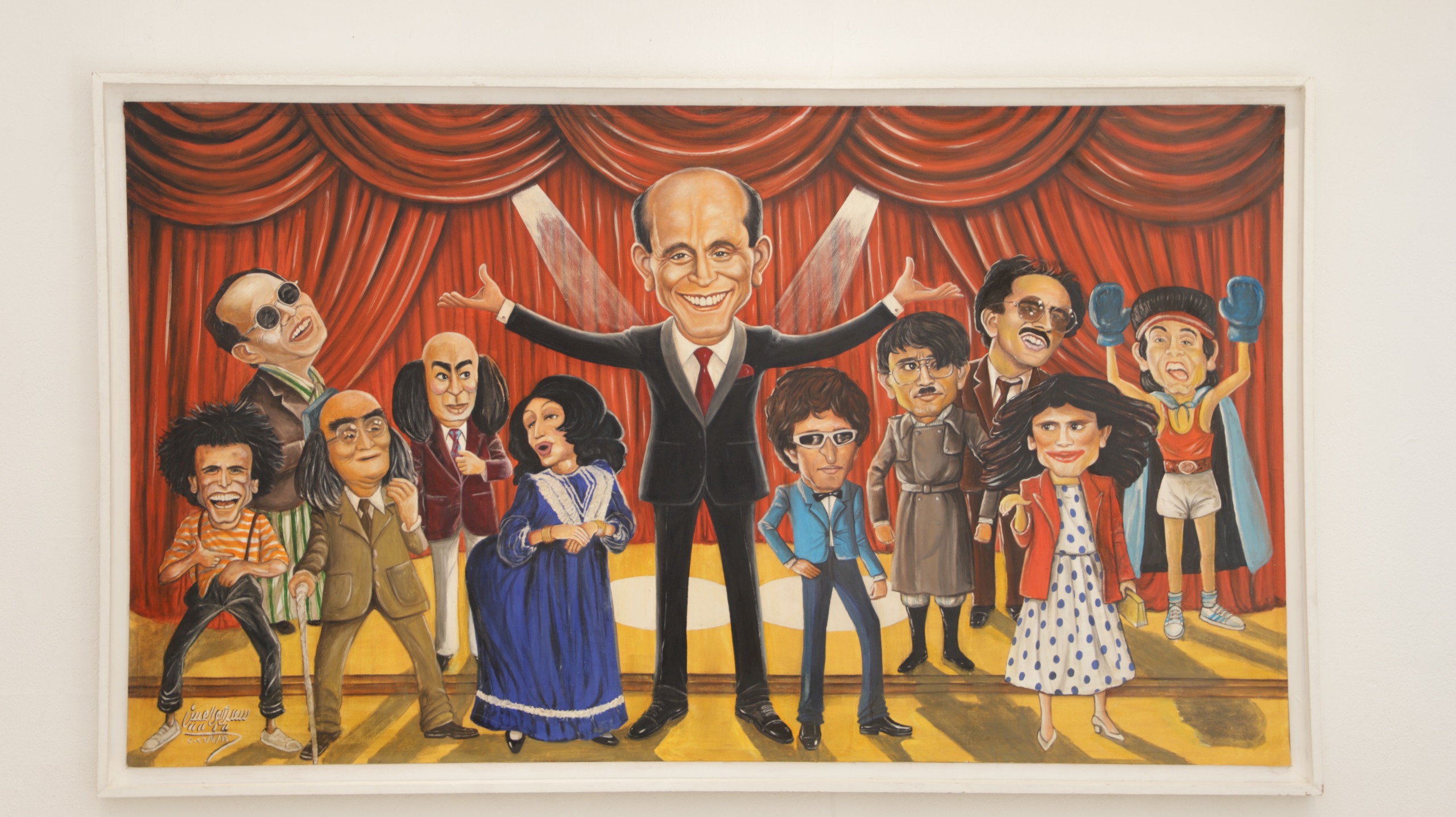
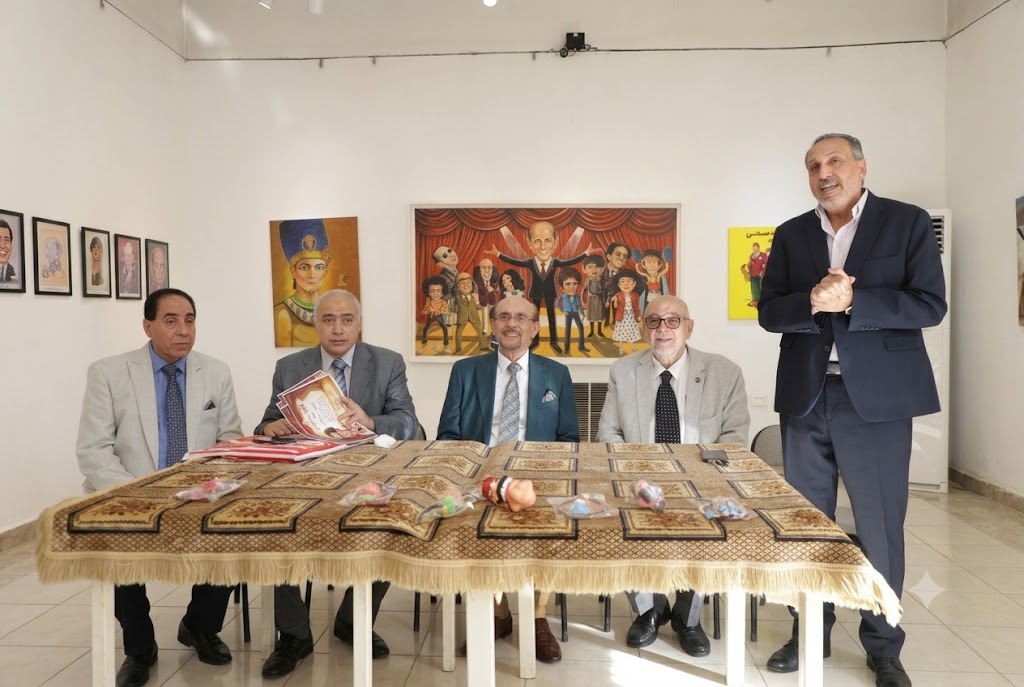
ON a night where lines merged with devotion, the curtain fell at the Mahmoud Mokhtar Cultural Center on the caricature exhibition “Knight of Arab Art.” Organized by the Egyptian Caricature Society, in collaboration with the Russian Cultural Center in Cairo and the Arab Caricature Society, the event was dedicated to capturing the extraordinary journey of the maker of awareness, the legendary artist Mohamed Sobhi.
This was more than a mere closing ceremony; it was a profound human symphony. The “Knight of Theater” stole an hour of love from the clutches of fatigue and pain, obtaining a brief medical leave from his hospital bed to be among those who cherish him—handing out certificates of appreciation to the masters of the brush who painted the milestones of his career.
The closing ceremony opened with remarks by Sherif Gad, Cultural Activity Director at the Russian Cultural Center, who expressed deep gratitude for an iconic figure whose influence transcends borders. Gad praised Sobhi’s determination to attend despite his health, answering the call with the heart of an artist over the ailments of the body.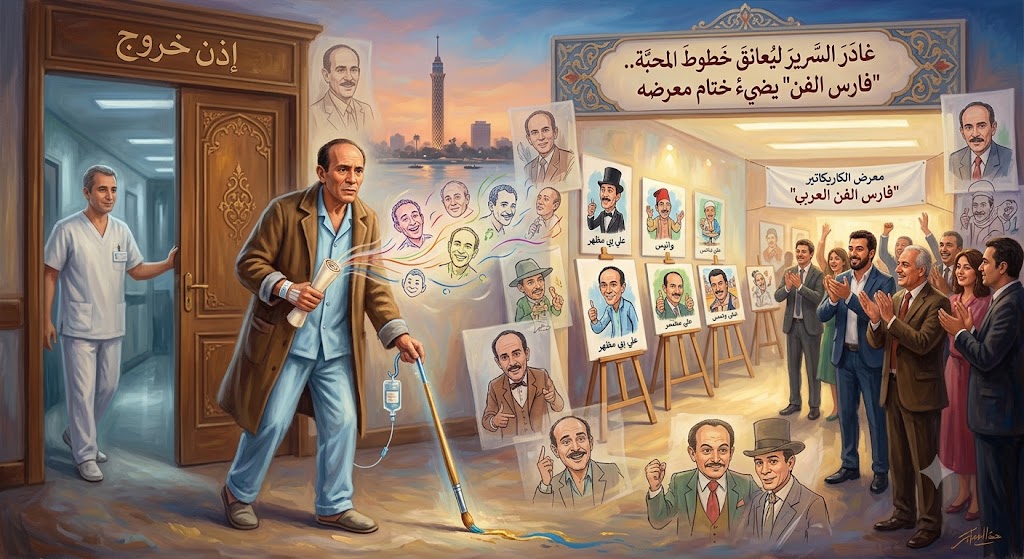
For his part, Moustafa El-Sheikh, President of the Caricature Society, captured the essence of the event: “When caricature condenses life into satirical yet profound lines to celebrate an exceptional icon like Mohamed Sobhi, we are not witnessing a passing exhibition—we are celebrating the champion of values and prince of awareness in the consciousness of the nation.”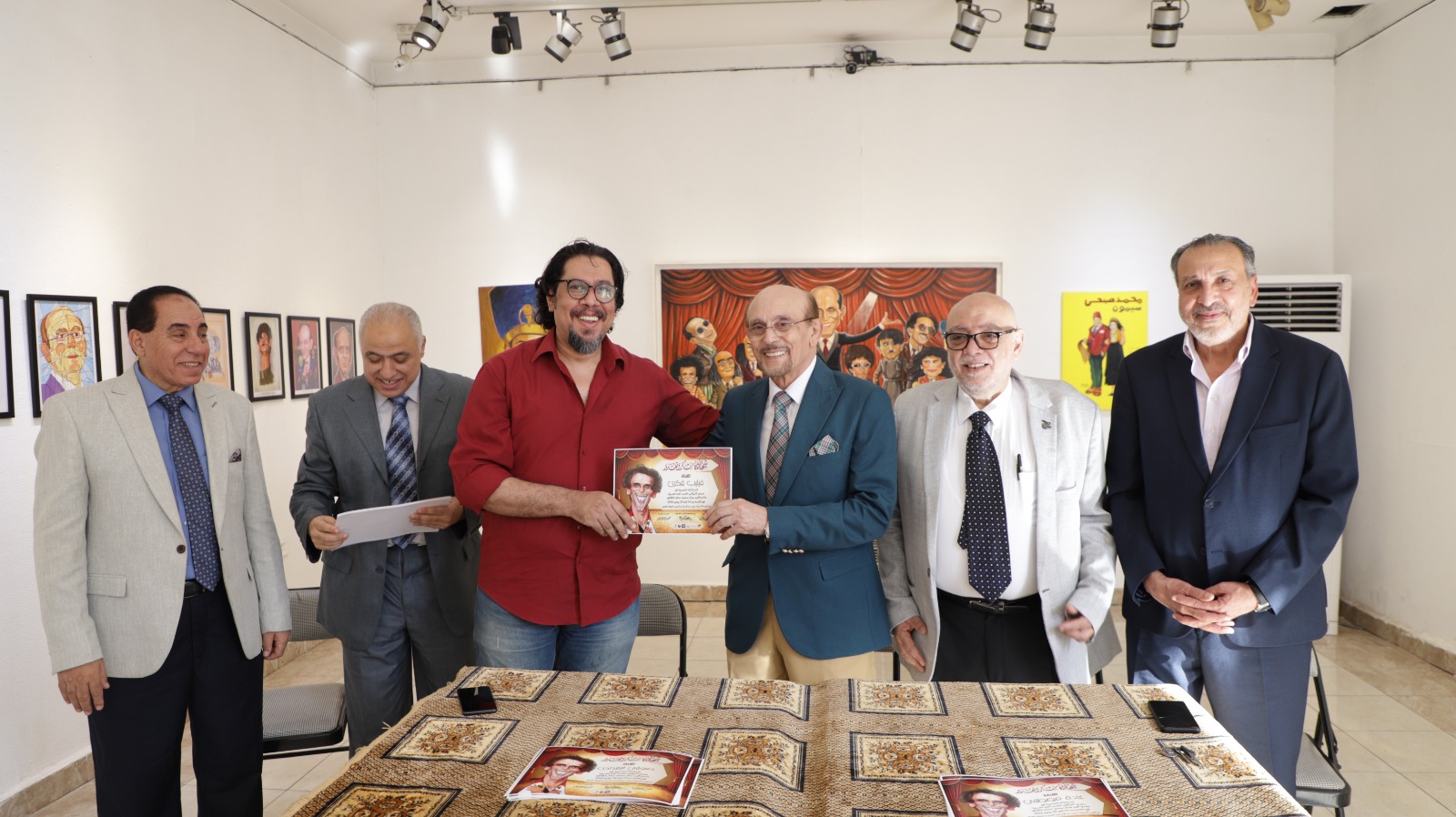
Artist Fawzy Morsy, General Secretary of the Society and the mind behind the exhibition, described it as an old dream that sailed for years before dawning today, driven by the belief that the language of caricature is uniquely suited to express affection with creative flair. Similarly, artist Emad Gomaa highlighted that the event brought together a select group of the world’s master illustrators to honor a lasting titan of modern Arab theater.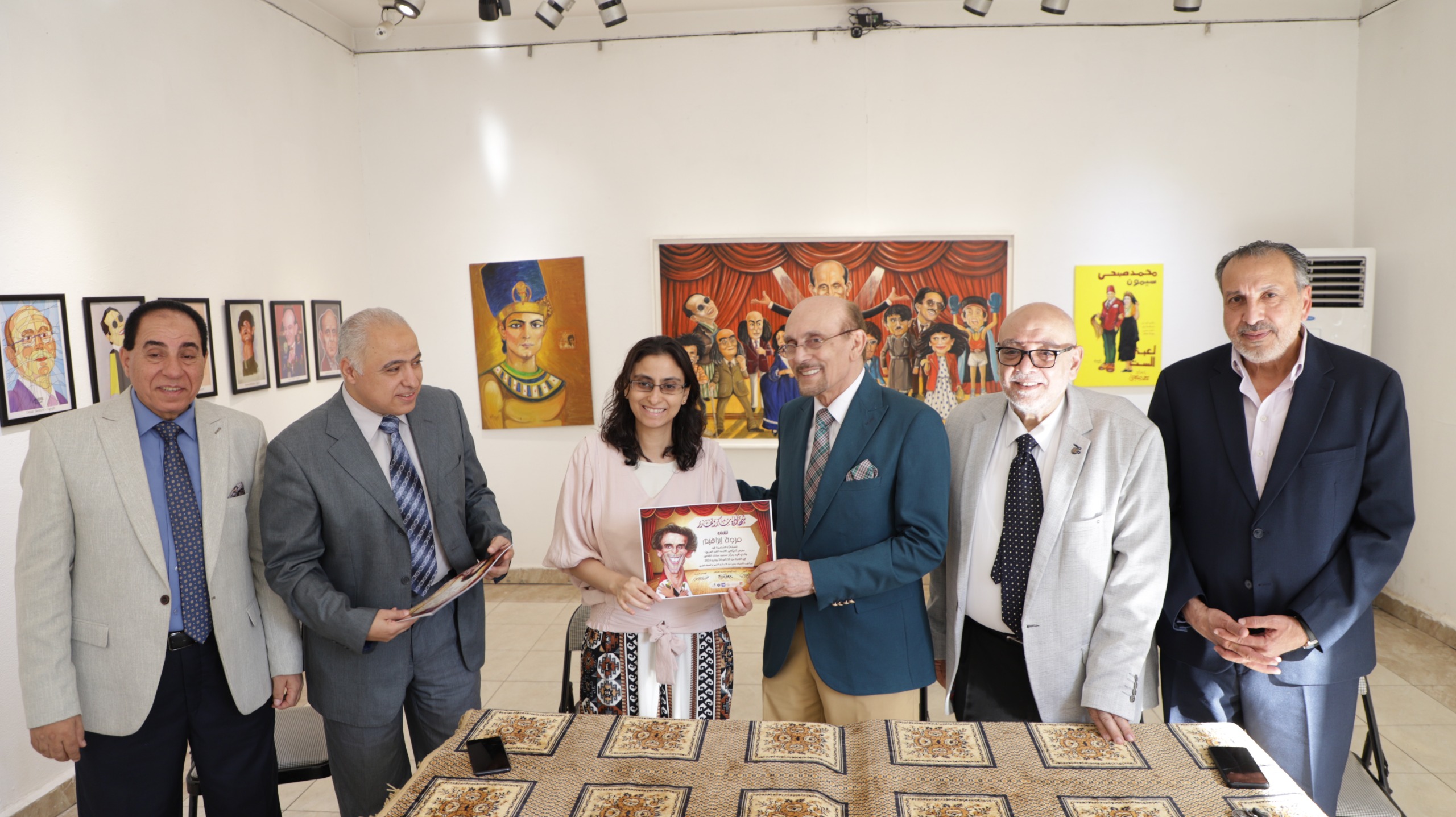
With heartfelt gratitude, Mohamed Sobhi thanked the Ministry of Culture, the Fine Arts Sector, and the organizers. He praised the 116 participating artists from 28 countries, whose 135 artworks form a timeless creative testament to the splendor of theater, cinema, and television across his lifelong journey.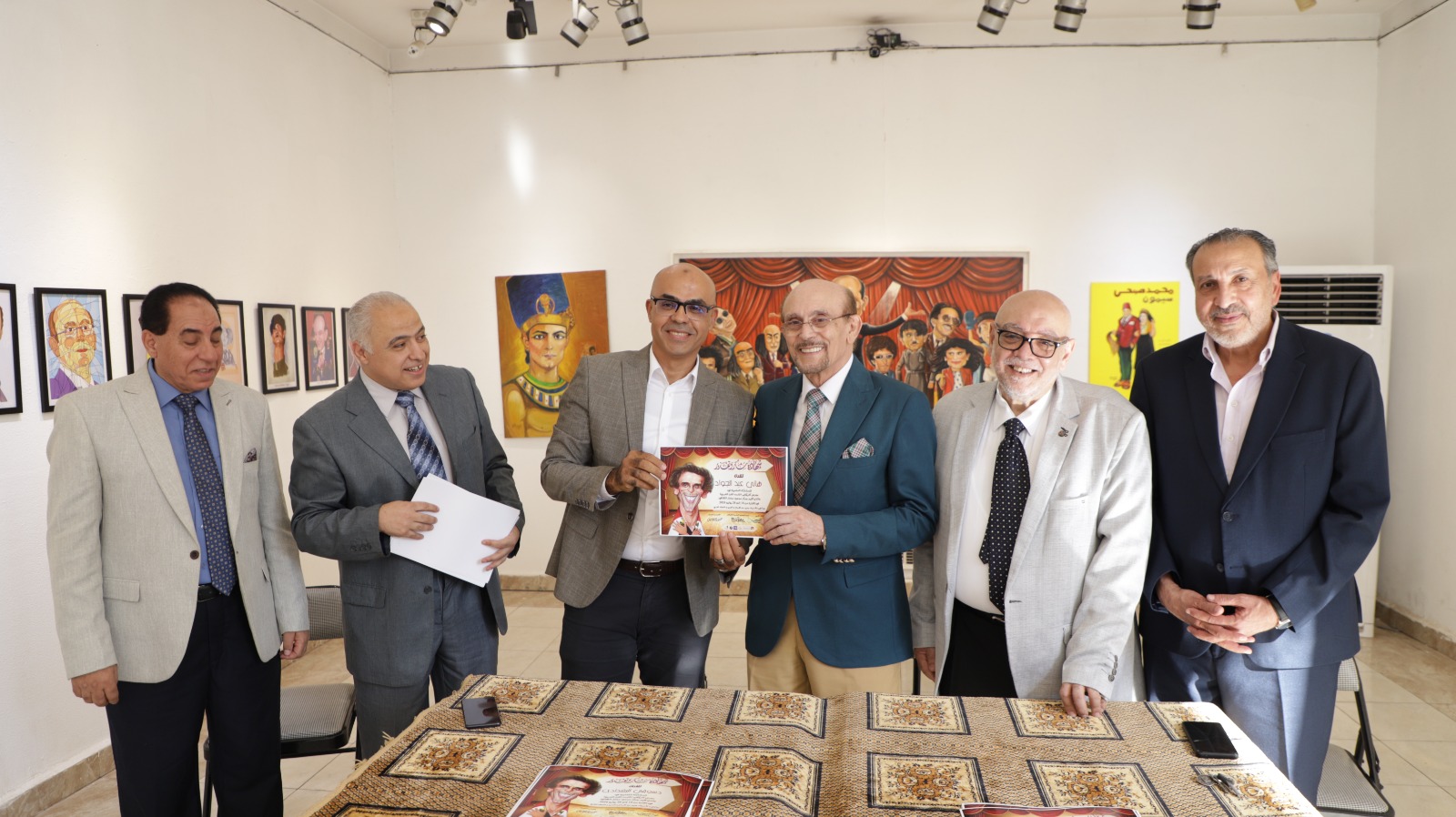
Inaugurated by Dr. Mahmoud Hamed, Head of the Fine Arts Sector, the exhibition stood as an extraordinary artistic and cultural showcase, drawing a large crowd of critics, media figures, and artists who gathered to see how the features of the “Knight of Art” reflect through the mirrors of brush and color.