Dr. Ahmed Mostafa
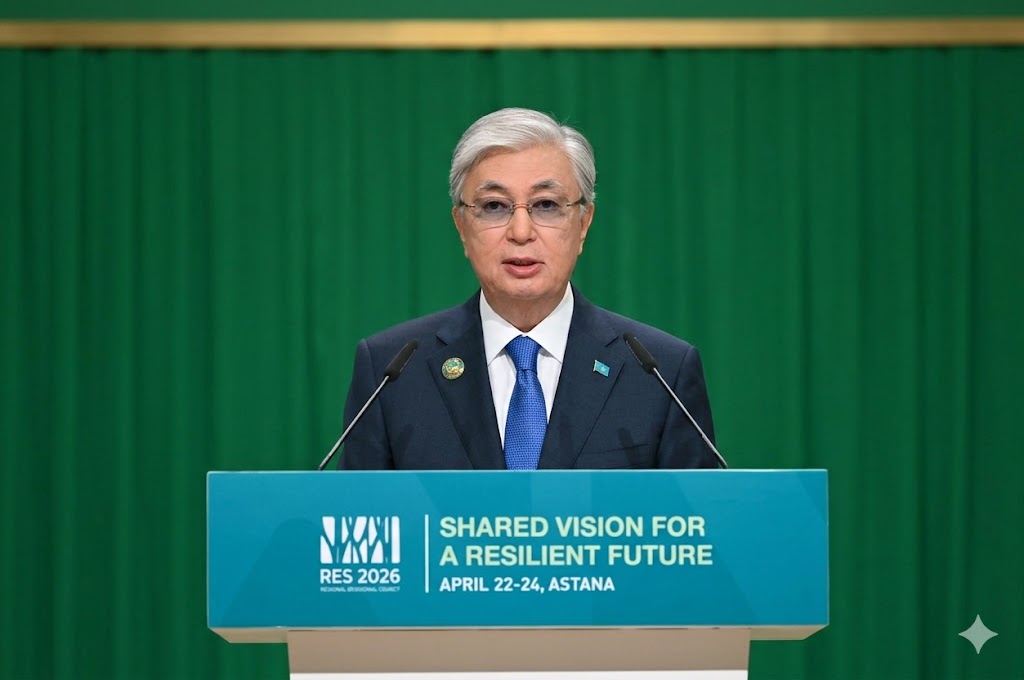
ASTANA, April 22, 2026 — In a moment where symbolism met urgency, Kassym-Jomart Tokayev stood before the world on Earth Day to open the Regional Ecological Summit 2026, delivering not merely a speech, but a moral summons. His words carried the weight of a planet under strain, urging humanity to confront environmental collapse with the same intensity reserved for geopolitical conflict.
From the fragile memory of the Aral Sea to the vanishing ice of the Tien Shan, Tokayev painted a world where nature transcends borders—and where responsibility must do the same. What emerged was not a regional appeal, but a universal reckoning: a call to abandon complacency and embrace accountability.
The launch of RES2026 marks a defining diplomatic step for Central Asia, positioning the region not only as a witness to climate change, but as a voice shaping the global response. Yet beyond policy and pledges, Tokayev’s message struck a deeper chord—framing sustainability as a test of collective conscience rather than technical capacity.
His appeal to global stakeholders was unequivocal: the age of passive observation has ended. Decarbonization, water security, and biodiversity are no longer optional ambitions, but existential imperatives. Sustainability, he warned, cannot remain a slogan—it must become structure, action, and measurable change.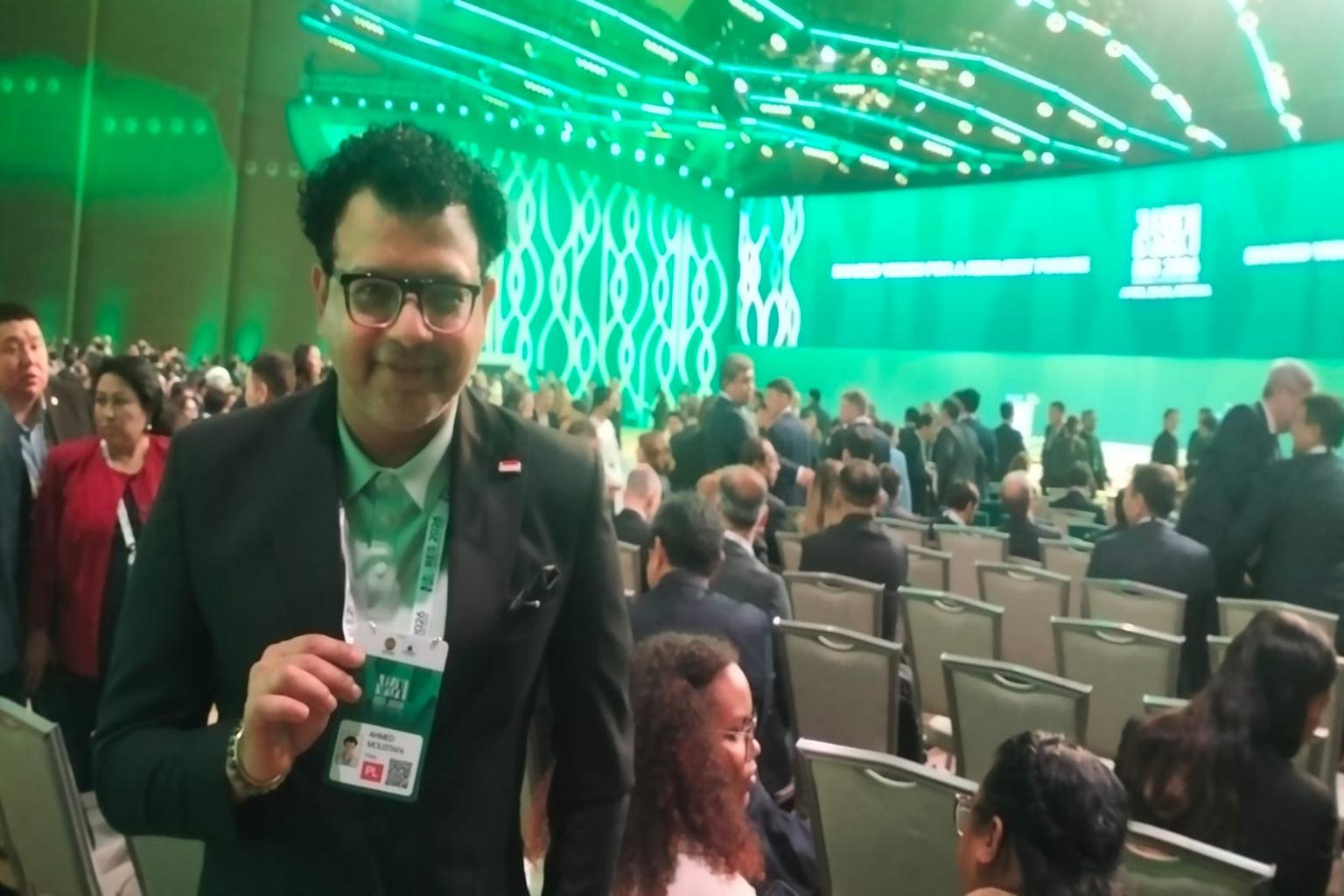
Threaded through this environmental urgency was a sharper, more somber reflection on global instability. Without naming conflicts directly, Tokayev drew a stark parallel between ecological destruction and the erosion of peace. In his vision, war and environmental degradation are not separate crises, but intertwined failures of responsibility.
“Stability is the prerequisite for sustainability,” he declared—an assertion that reframed climate action within the architecture of international order. Resources diverted to conflict, he implied, are resources lost to the planet’s survival.
In perhaps his most pointed message, Tokayev elevated accountability to a universal principle—one that binds both corporations and states. Whether polluting rivers or destabilizing nations, actors must face consequences. Selective responsibility, he warned, is no responsibility at all.
Observers see this speech as a defining moment in Kazakhstan’s foreign policy, positioning the country as a bridge between the Global North and South, and between East and West. By hosting RES2026, Kazakhstan signals its ambition to lead on climate security while advocating for a rules-based international order.
As the summit unfolds, the challenge remains stark: can nations rise to this dual responsibility—saving the environment while sustaining peace?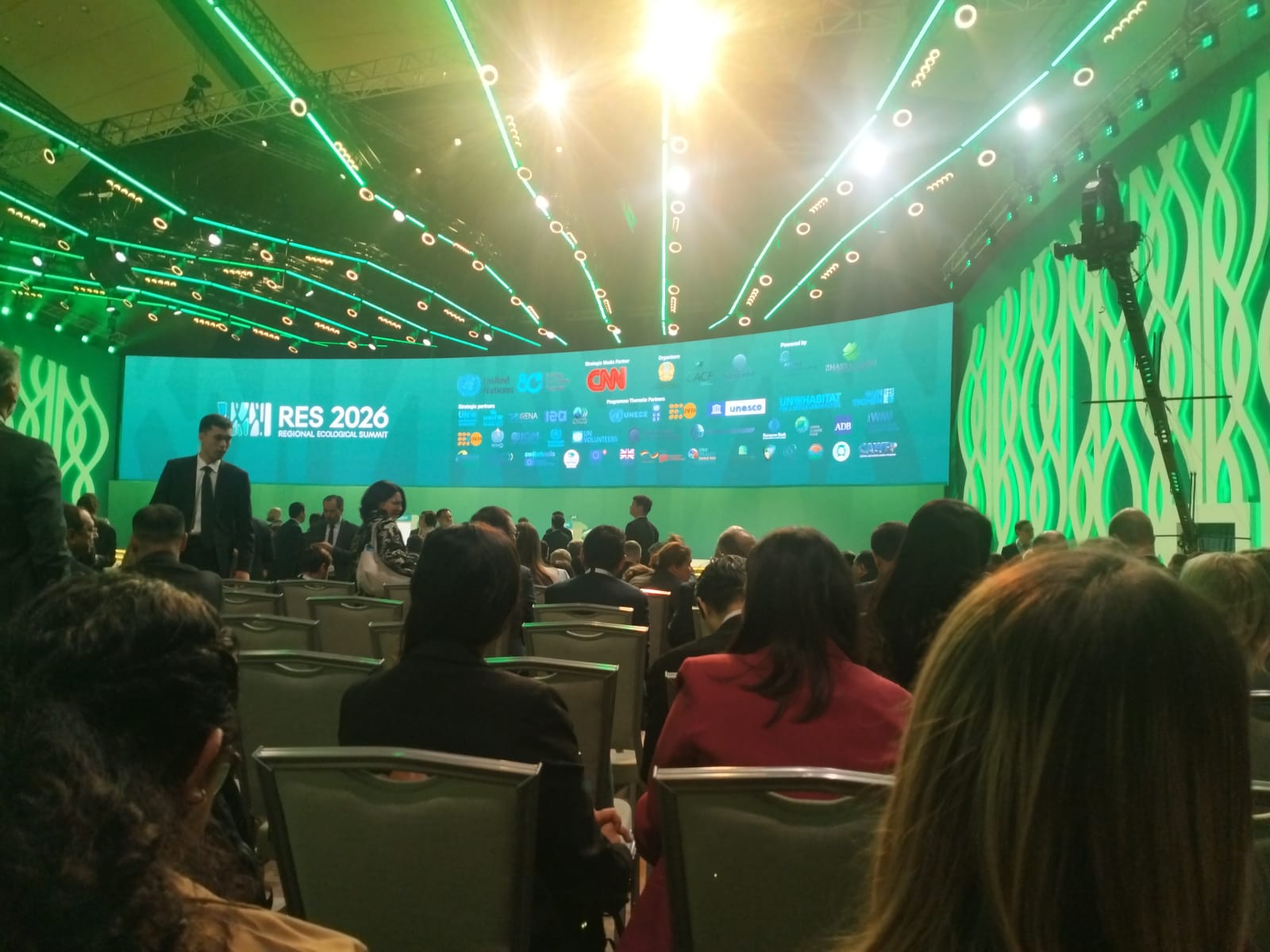
At the crossroads of 2026, Tokayev’s closing words echoed like a quiet ultimatum: the path of shared responsibility, or the descent into scarcity and conflict. Between ash and green, the choice—he insisted—still belongs to humanity.