Ashraf AboArafe
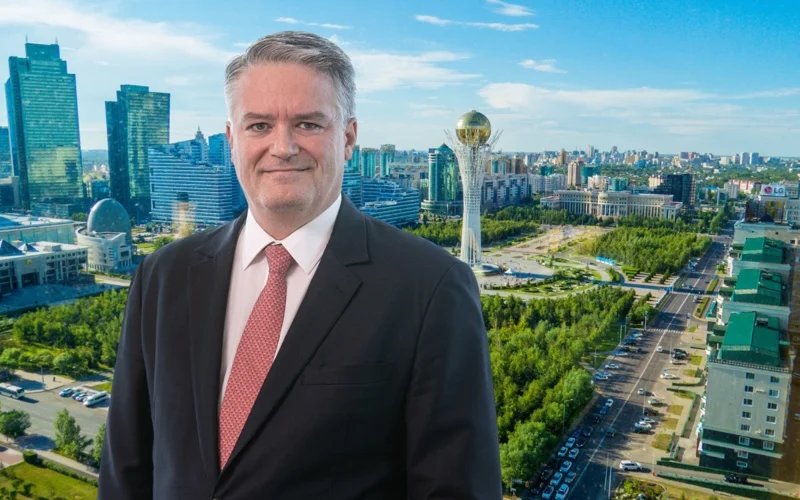
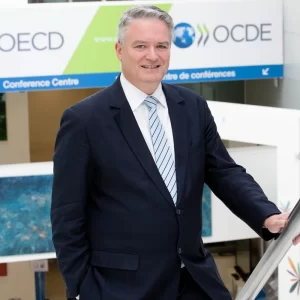
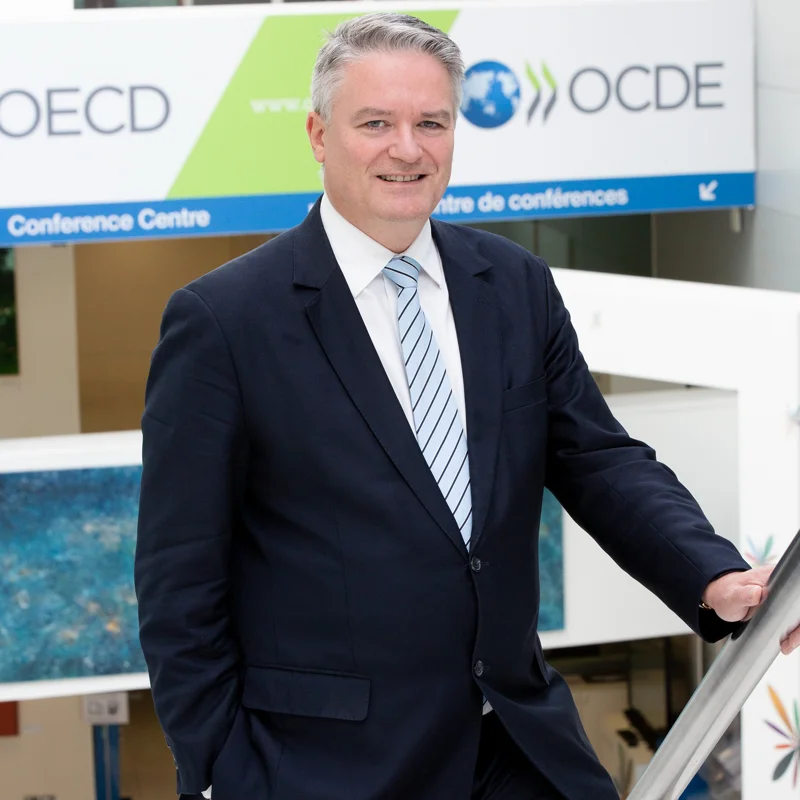
Astana, May 30, 2025 – As global leaders, policymakers, and experts gather in Kazakhstan’s capital for the Astana International Forum (AIF), the country finds itself at the heart of high-level discussions on connectivity, sustainable growth, and regional cooperation. In an exclusive interview with Kazinform International News Agency, Mathias Cormann, Secretary-General of the Organisation for Economic Co-operation and Development (OECD), highlighted Kazakhstan’s growing role as a strategic partner in advancing governance reforms, green development, and critical infrastructure across Central Asia.
Cormann’s visit to Astana – his first since taking office – underscores the OECD’s commitment to deepening its cooperation with Kazakhstan. With the launch of a new Governance Scan and continued work on state-owned enterprise reform, green growth, and regional integration, the OECD sees Kazakhstan not only as a reforming nation, but also as a regional leader capable of anchoring sustainable progress in Eurasia.
🌍 Deepening Cooperation with Kazakhstan
- OECD-Kazakhstan cooperation has grown significantly since 2015, covering:
- Public and corporate governance
- Green growth and sustainable infrastructure
- Critical raw materials
- Digitalisation and connectivity
- A new “Governance Scan” was launched at the Astana International Forum, supporting Kazakhstan’s 2030 Public Administration Reform Concept.
- Kazakhstan’s reforms on State-Owned Enterprises (SOEs) include recommendations on transparency, ownership structure, and legal clarity.
- OECD values Kazakhstan’s role in:
- Multilateral tax efforts (BEPS)
- Green growth and carbon neutrality
- Trade connectivity via the Trans-Caspian Corridor
📈 Investment Climate & Governance Recommendations
- Kazakhstan has improved transparency and integrity, but key priorities remain:
- Judicial independence
- Regulatory predictability
- Stronger enforcement of laws
- Separation of SOE ownership and regulatory roles
- Improved competition policy and corporate liability standards would enhance investor confidence.
🏭 Sectoral Development & OECD Best Practices
- Rather than focusing on specific sectors, broad reforms in governance, transparency, and business climate are recommended.
- In critical raw materials, Kazakhstan must:
- Manage taxation effectively
- Enforce sustainable mining
- Promote responsible business conduct
🚛 Global Value Chains & Regional Integration
- Kazakhstan outperforms many peers in trade facilitation, according to OECD indicators.
- Realising the Middle Corridor’s potential requires:
- Coordinated infrastructure
- Regulatory harmonisation
- Reduced transport costs
- More accessible trade-related information
🏢 Prospects for OECD Regional Office in Astana
- Kazakhstan has offered to host a regional OECD office.
- Decision rests with OECD member states.
- Potential benefits:
- Enhanced engagement on connectivity and governance
- Support for Central Asia’s development, especially in:
- Green infrastructure
- Regional cooperation
- Responsible mining practices
♻️ Sustainability in the Mining Sector
- Kazakhstan has adopted OECD Due Diligence Guidelines for 15 minerals.
- Further improvements needed in:
- Environmental enforcement
- Reporting transparency
- Clean technologies
- Community engagement
- The OECD held a major seminar in Astana (March 2025) and plans ongoing collaboration.
💰 Attracting Investment in Critical Minerals
- Key recommendations:
- Ensure legal stability and contract enforcement
- Promote responsible business conduct
- Use public-private partnerships
- Avoid harmful export restrictions
- Maintain open trade policies
- Responsible governance reduces risk and attracts long-term investment.
🗣️ Final Note:
Cormann’s visit to Kazakhstan, his first as OECD Secretary-General, underscores the deepening strategic partnership — with Kazakhstan emerging as a regional leader in reform, connectivity, and sustainable development.