 Editor -in-chief writes
NOT every table tells a story of food. Some tables compose poems of fellowship, celebrate the warmth of human connection, and reveal how a nation can open its heart to guests before opening its doors.
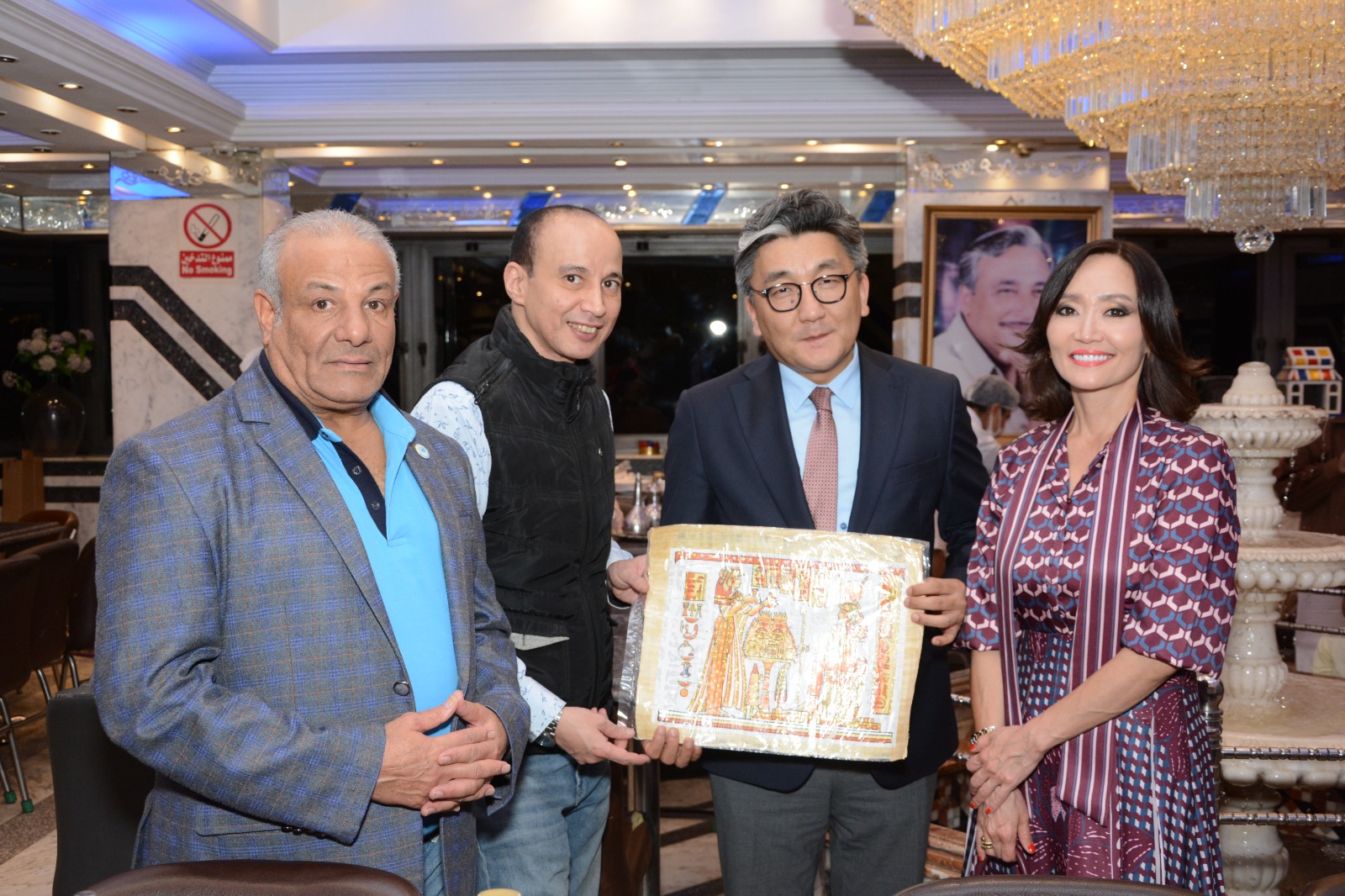
Yesterday, I had the pleasure of attending a luncheon at Abu Tarek Restaurant, graciously hosted by my colleague Ahmed Hassan in honor of H.E. Byambadorj Donyjchimbuu, Ambassador of Mongolia to Egypt. It was a delightful occasion for friendship, conversation, and cultural exchange in an authentically Egyptian atmosphere, where simplicity becomes a form of generosity and a shared meal becomes a bridge between peoples.
Every country has its ambassadors in diplomacy, but cuisine has ambassadors of its own. In Egypt, few dishes represent the spirit of diversity and harmony as beautifully as Egyptian koshary—the beloved street-food classic that brings rice, lentils, pasta, chickpeas, tomato sauce, garlic, vinegar, and golden fried onions together in one distinctive culinary creation.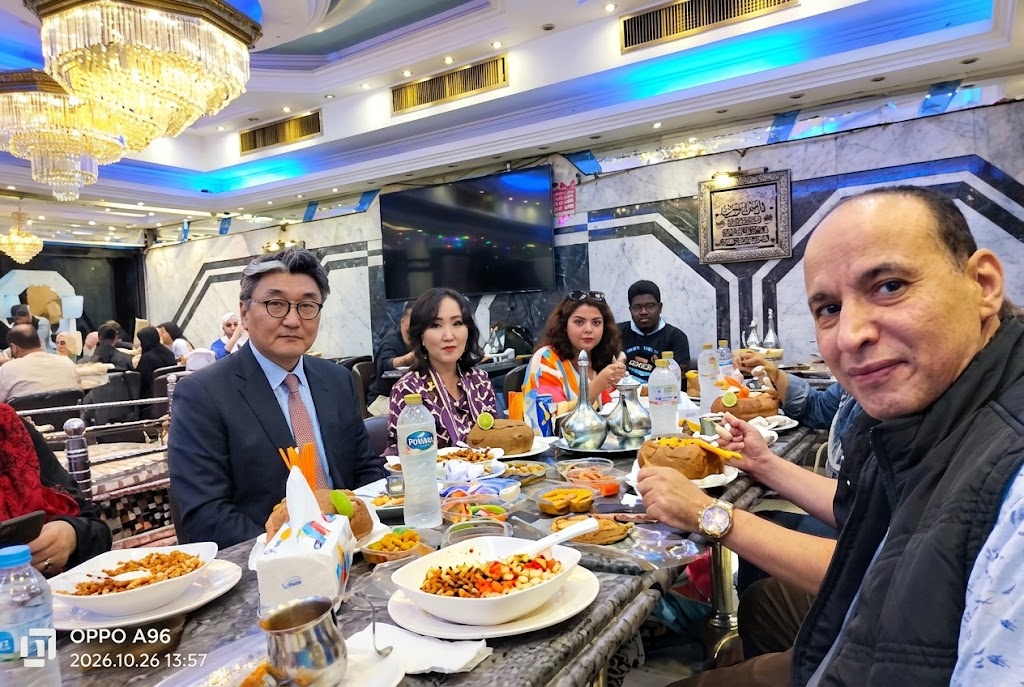
Koshary: Where Ingredients Embrace in a Single Poem
In a bowl of koshary, rice does not stand alone, pasta does not claim the spotlight, and lentils do not remain apart from their companions. Instead, each ingredient contributes to a harmonious combination whose flavor is unmistakably Egyptian.
Rice and pasta provide carbohydrates, an important source of energy for the body. Lentils contribute plant-based protein, dietary fiber, iron, folate, and other essential nutrients. Chickpeas add further protein and fiber, along with valuable minerals.
The tomato sauce, garlic, vinegar, and spices give the dish its characteristic personality. Tomatoes provide vitamins and beneficial plant compounds, including lycopene, while garlic and spices add depth and complexity to its flavor.
Finally, the golden crown of fried onions brings the familiar crunch that completes the experience. Together, these ingredients transform an everyday meal into something greater than the sum of its parts: a culinary portrait of Egypt’s resourcefulness, diversity, and enduring popular traditions.
From Flavor to Well-Being: The Nutritional Story of Koshary
Beyond its unmistakable taste, koshary offers nutritional benefits worth appreciating. Combining grains and legumes provides a variety of energy sources and plant-based protein. The fiber in lentils and chickpeas can support digestive health and help promote a feeling of fullness.
Yet, as with any meal, balance and moderation are essential. Because koshary combines several carbohydrate-rich ingredients, its calorie content can increase significantly depending on portion size and the amount of oil and fried onions used. Salt-heavy sauces may also raise its sodium content.
A more balanced serving begins with a sensible portion, moderate use of oil and fried onions, and careful seasoning. Fresh salad on the side can add vegetables, fiber, and variety. Those seeking more fiber may also choose a preparation with a greater proportion of lentils and chickpeas relative to rice and pasta.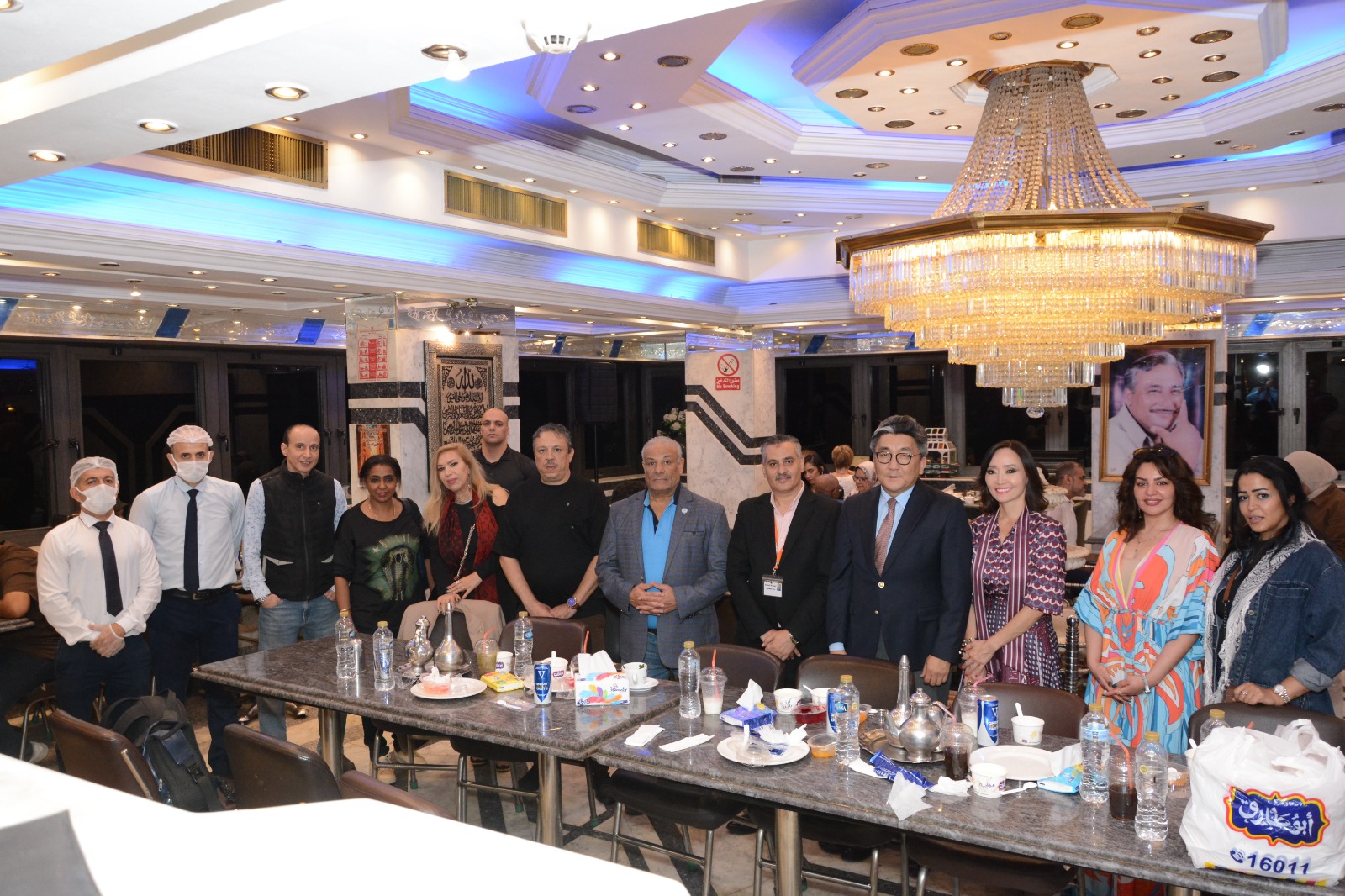
Koshary is neither a food to fear nor a miracle health meal. It is a traditional dish that can fit into a varied, balanced diet when prepared thoughtfully and enjoyed in appropriate portions.
Its greatest lesson may be that good food does not have to be complicated. Affordable ingredients, thoughtfully combined, can deliver flavor, nourishment, and a sense of shared cultural identity.
Abu Tarek: A Landmark in Cairo’s Culinary Memory
At Abu Tarek, the experience extends beyond the taste of koshary. The restaurant represents a familiar part of Cairo’s popular culinary landscape, offering visitors a glimpse of everyday Egyptian life beyond formal protocol and closer to the pulse of the streets and the spirit of the people.
That is what made yesterday’s gathering with my colleague Ahmed Hassan and the Mongolian ambassador particularly meaningful. Diplomacy is not conducted only in conference halls, nor is its success measured exclusively by agreements, official statements, and formal visits. It also flourishes through human encounters, the discovery of another culture, and the simple pleasure of sharing a traditional Egyptian dish with a guest from Asia.
Mongolia, with its distinctive heritage and rich history, and Egypt, with its ancient Nile civilization and remarkable cultural legacy, have opportunities to deepen mutual understanding through food, literature, the arts, tourism, and cultural exchange.
Nations learn about one another through history books, but they also grow closer through small moments that leave lasting impressions. A friendly conversation over lunch may not make headlines, yet it can contribute to the human foundations upon which lasting international relationships are built.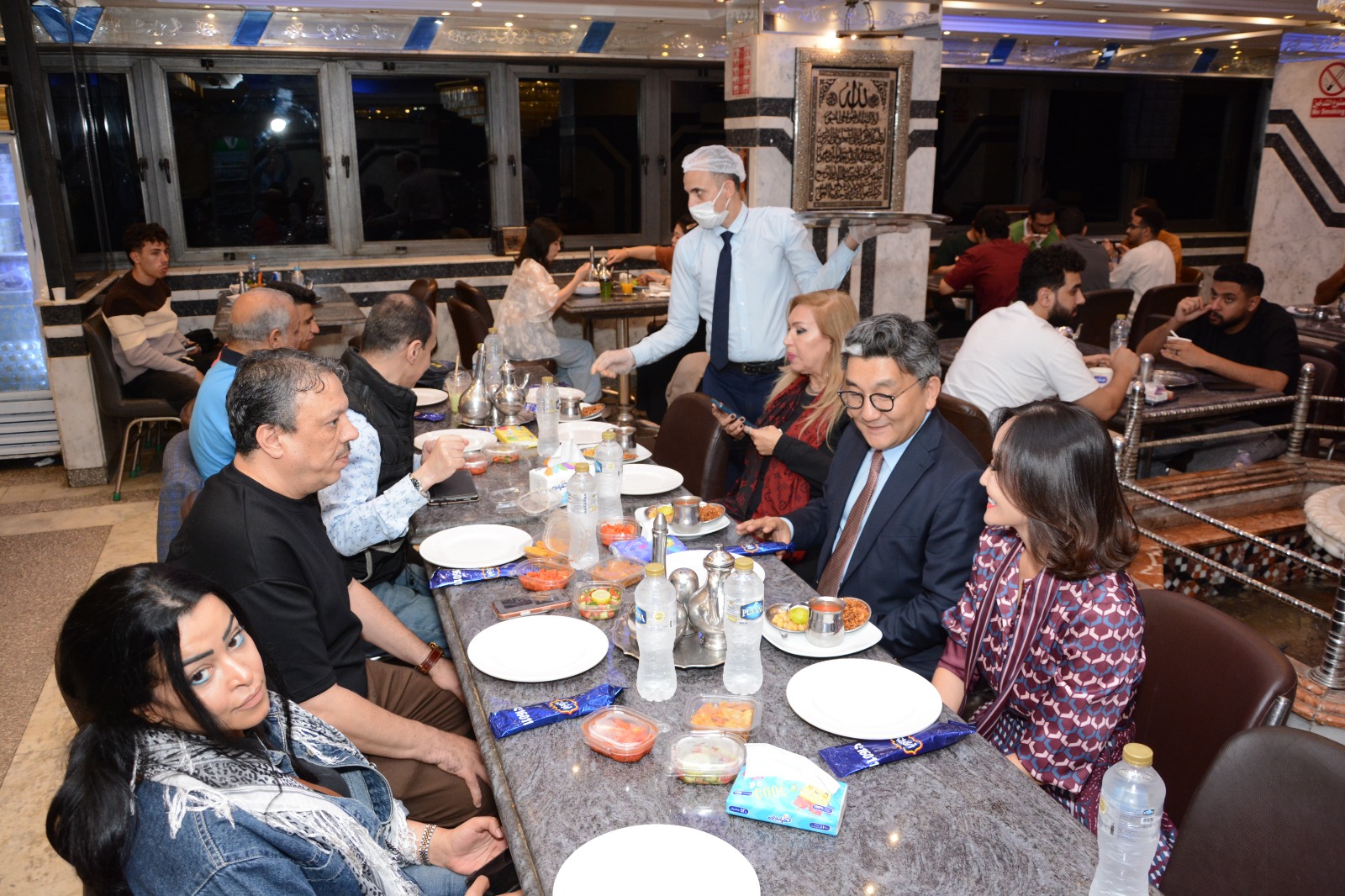
From a Bowl of Koshary to a Table of Humanity
How beautiful it is when a humble popular dish becomes an occasion for friendship, and when rice, lentils, pasta, and chickpeas express a meaning far greater than their individual ingredients.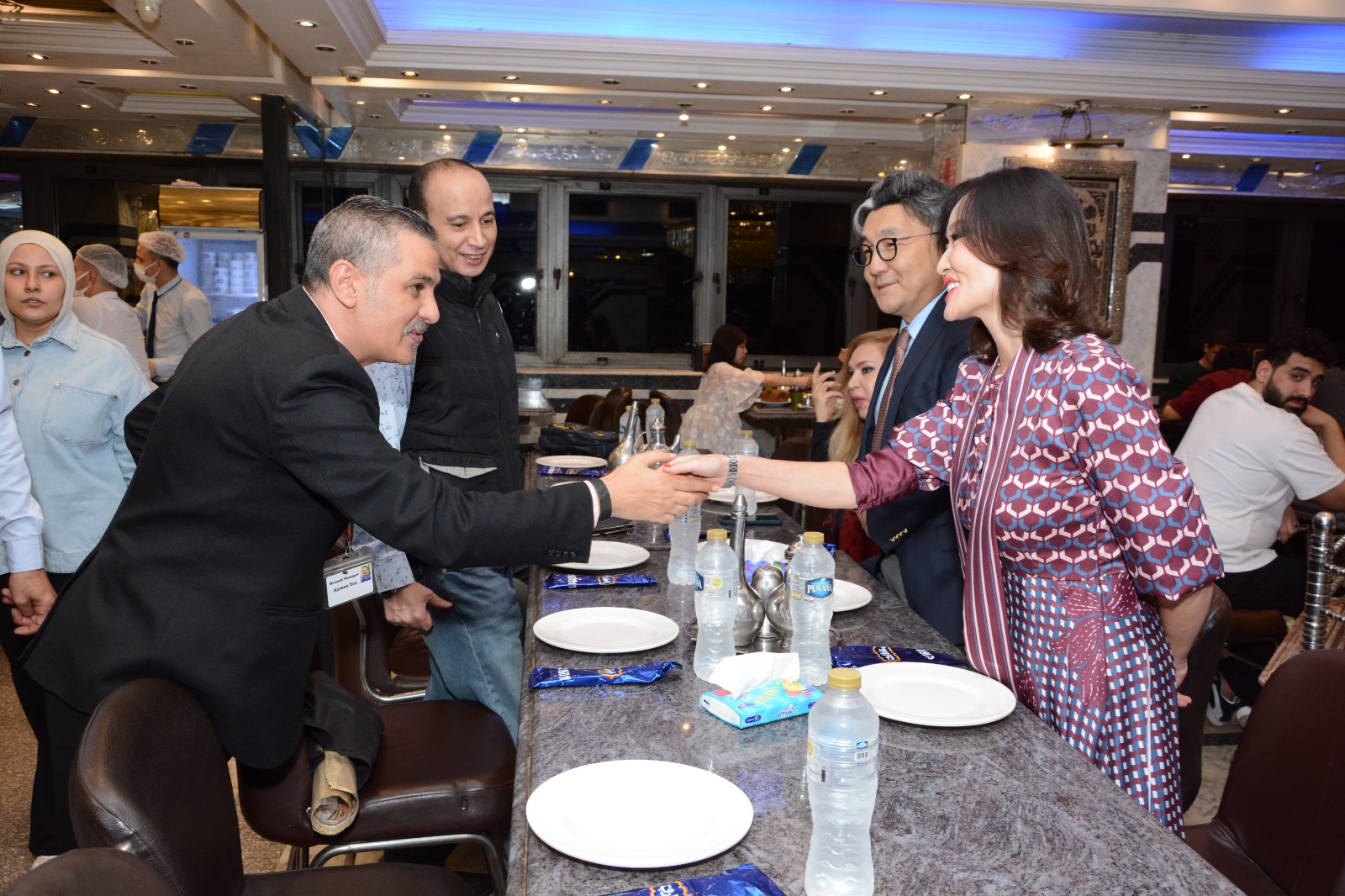
Differences need not prevent harmony. Diversity need not contradict unity. And simplicity can carry some of the deepest meanings of civilization.
This is the message of the Egyptian table: hospitality is not a luxury but a universal language. Friendship may begin with a kind word, a generous invitation, or a bowl of koshary shared by people whose lives and cultures might otherwise seem worlds apart.
My sincere appreciation goes to my dear colleague Ahmed Hassan for his gracious invitation, and to H.E. Byambadorj Donyjchimbuu, Ambassador of Mongolia to Egypt, for a gathering that offered a welcome opportunity for human connection and cultural appreciation.
A salute to Egypt—a country that turns the Nile into poetry, its hospitality into a bridge, and a simple bowl of koshary into a popular story that crosses borders.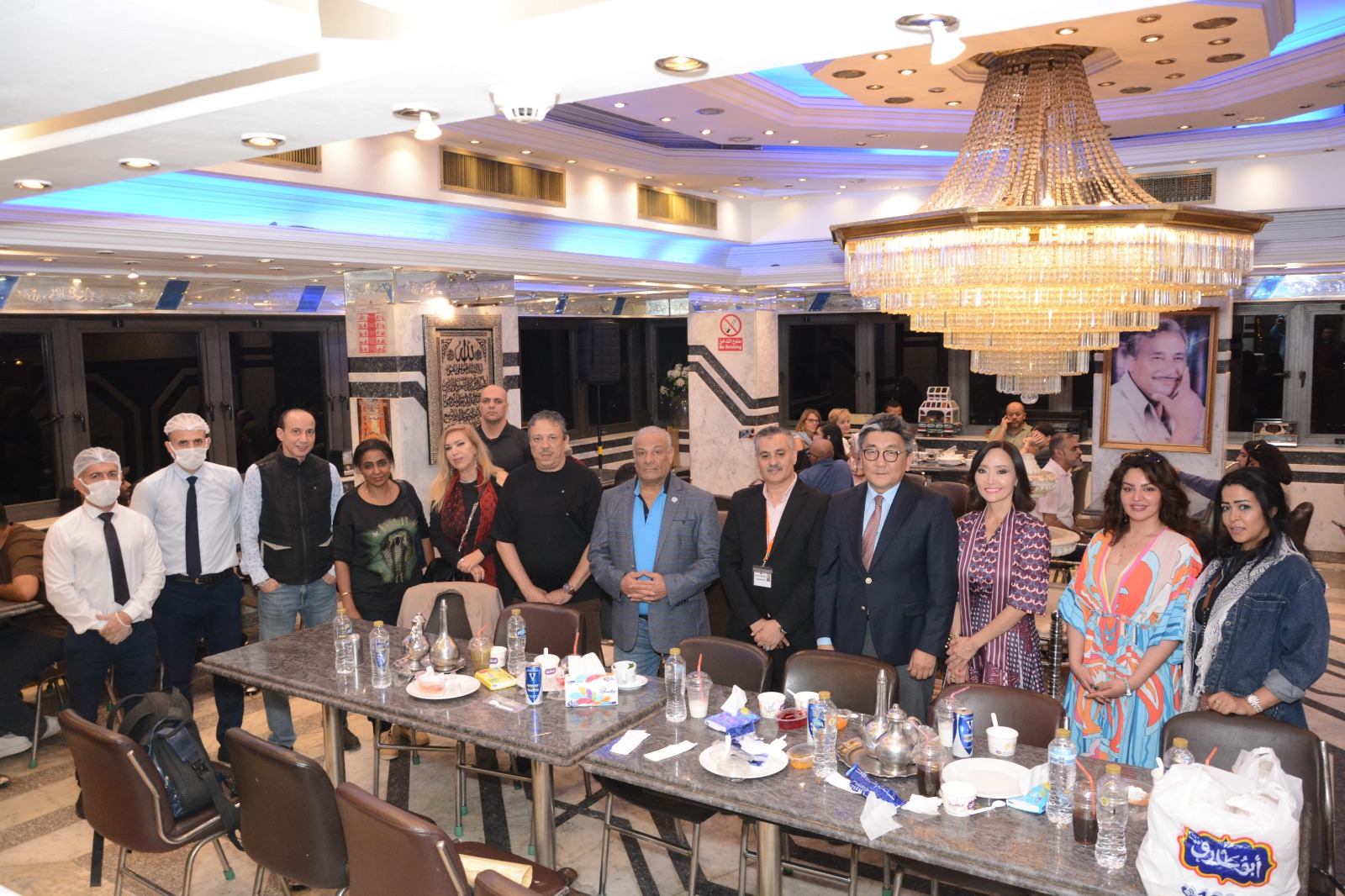
Some nations do more than welcome their guests. They offer them a taste of their soul—and a memory that remains long after the table has been cleared.