Ashraf AboArafe
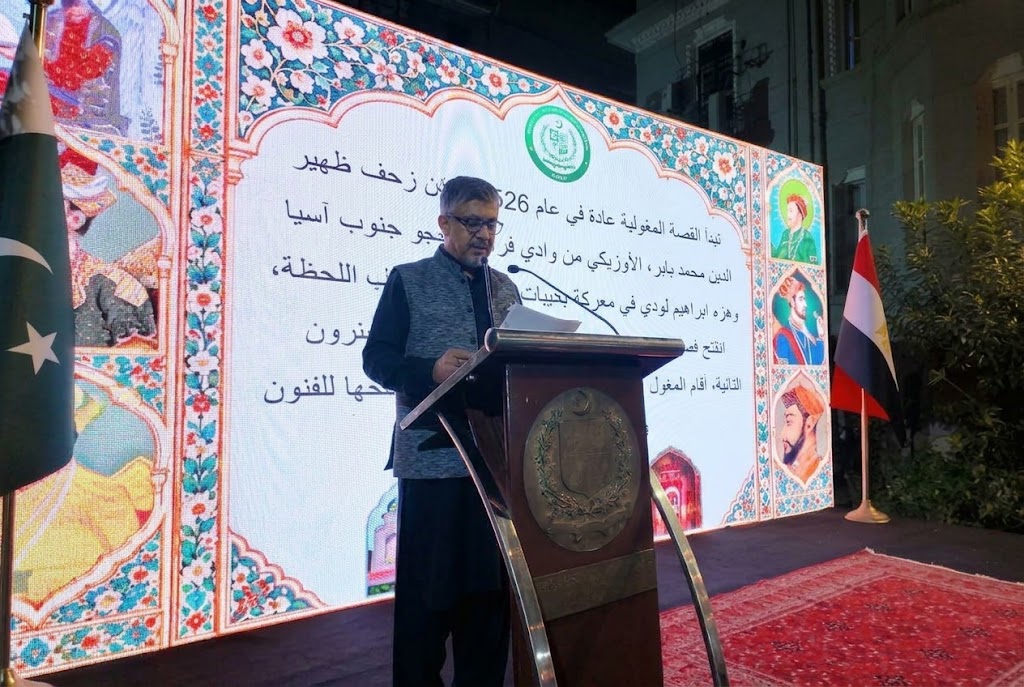
THE Embassy of Pakistan in Egypt celebrated five centuries of the Mughal era in South Asia with a cultural event showcasing its enduring legacy in architecture, arts, culture, and culinary traditions. The gathering brought together ambassadors, media representatives, and prominent Egyptian personalities for a celebration of history and shared cultural heritage.
In his remarks, Pakistan’s Ambassador highlighted the profound influence of the Mughal Empire on South Asian history and its lasting contribution to Pakistan’s cultural identity. The Mughal era began in 1526, when Zahir-ud-din Muhammad Babur triumphed at the First Battle of Panipat, ushering in a period of remarkable achievements in governance, architecture, the arts, and cultural exchange.
The Ambassador underscored Lahore’s magnificent Mughal heritage, particularly the Badshahi Mosque, Lahore Fort, and Shalimar Gardens. These landmarks reflect a remarkable fusion of Persian and Central Asian influences with local traditions. He also highlighted Urdu literature, poetry, music, calligraphy, and miniature painting as enduring expressions of this shared cultural legacy.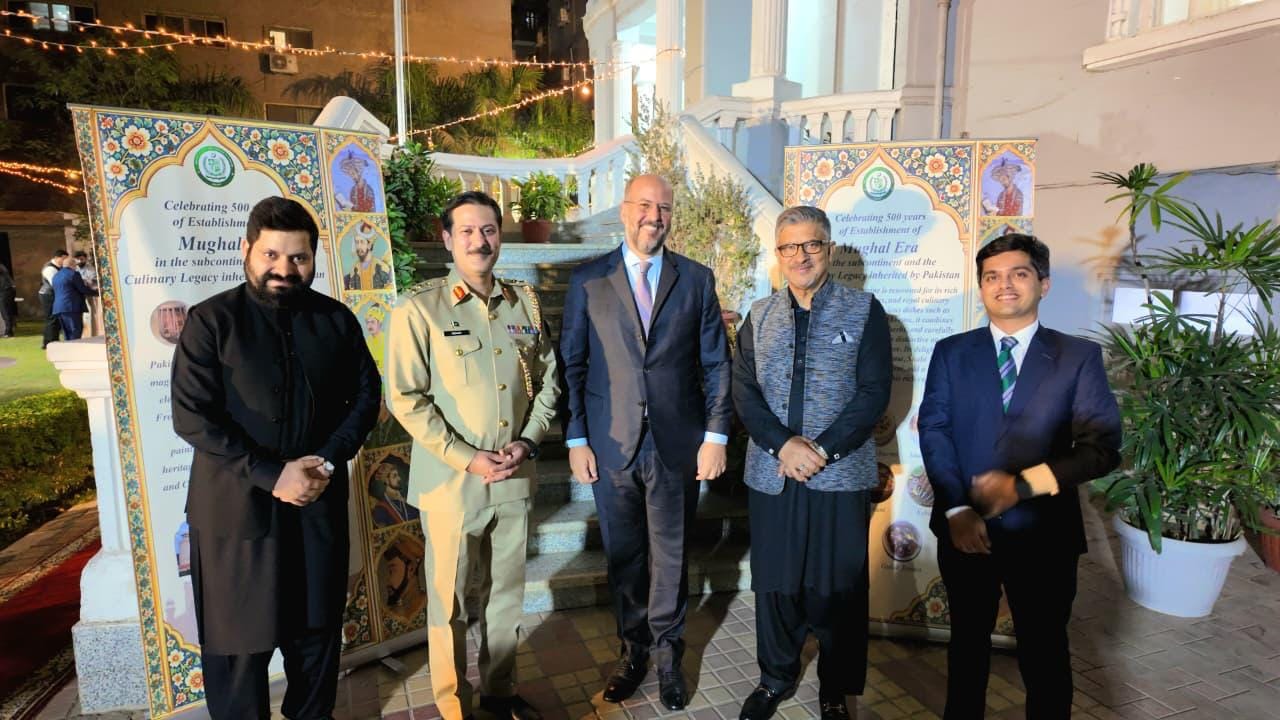
Mughal culinary heritage took center stage, with an array of celebrated dishes, including biryani, qorma, kebabs, and shahi tukray. The Ambassador explained how these culinary traditions evolved through the use of local ingredients, regional tastes, and the creativity of generations of cooks. He emphasized that food in Pakistan represents far more than nourishment: it embodies hospitality, family bonds, and friendship.
Drawing a warm parallel with Egypt, he noted the close resemblance between Pakistani and Egyptian traditions of welcoming guests and honoring them with generosity. In both cultures, the dining table serves as a meeting place for people, a symbol of belonging, and a bridge between generations.
Reflecting on Pakistan–Egypt relations, the Ambassador observed that the two countries are heirs to great civilizations whose monuments and cultural achievements embody historical memory, human creativity, and enduring aspirations. Their shared appreciation for heritage and hospitality provides a strong foundation for deeper cultural understanding and closer people-to-people ties.
The celebration reaffirmed the importance of cultural dialogue and highlighted the Mughal legacy as a living heritage that continues to connect peoples across borders through history, art, architecture, and the universal language of food.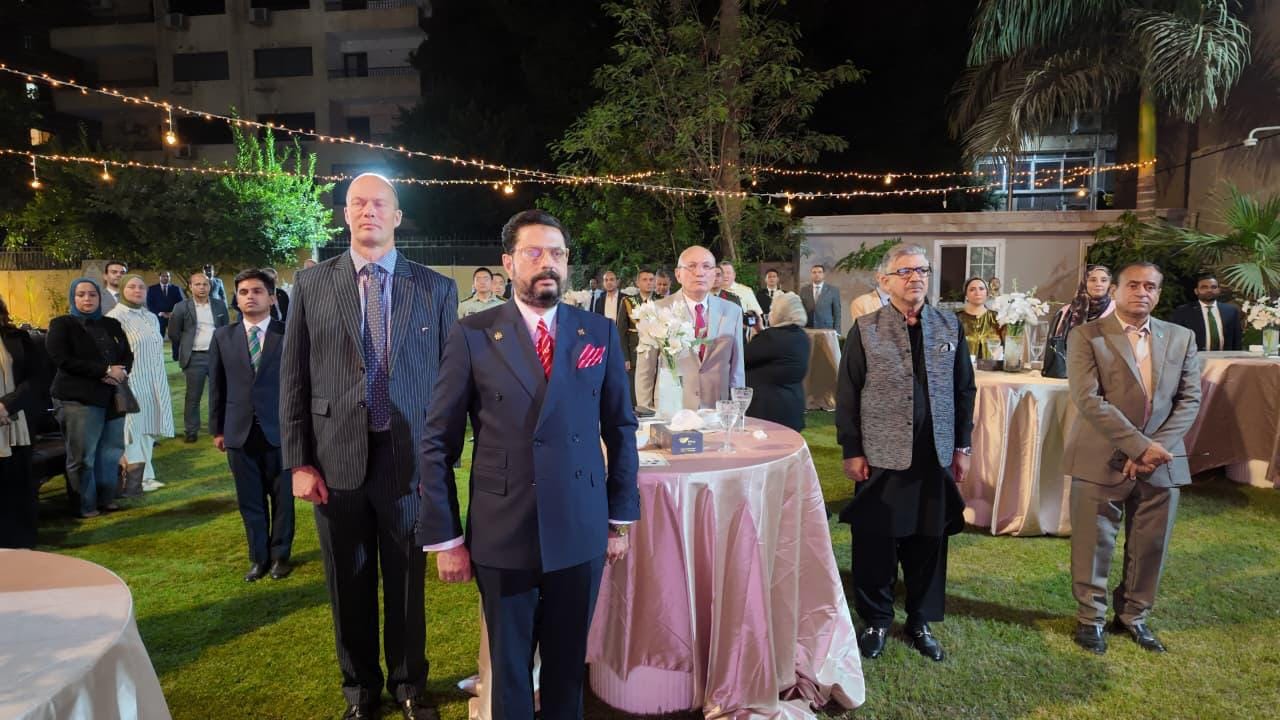
From the splendor of Mughal monuments to the warmth of a shared meal, the event celebrated a timeless message: cultural heritage brings nations closer and friendship makes history live on.