Editor -in-chief ✍️
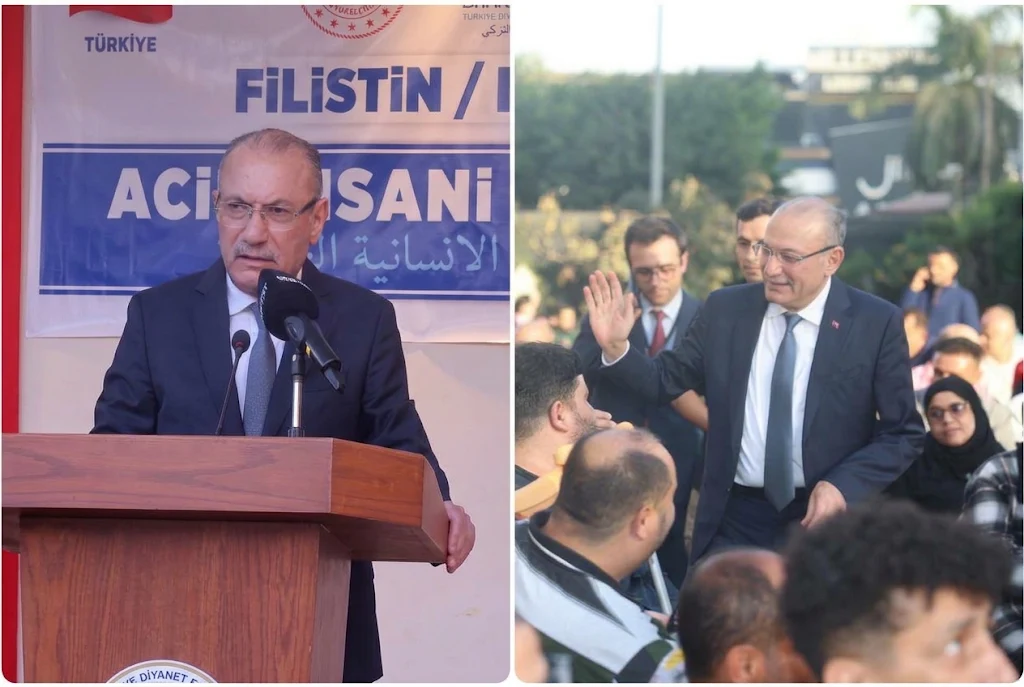
THERE is no doubt that the humanitarian efforts undertaken by the Turkish Embassy in Cairo, under the leadership of Ambassador Salih Mutlu Şen, to support Palestinian families displaced from the Gaza Strip and currently residing in Egypt deserve recognition and appreciation. These families face extremely difficult humanitarian and social circumstances, including children, elderly people, persons with disabilities, and victims wounded during the war.
The latest initiative, implemented by the Turkish Directorate of Religious Affairs Foundation (TDV), to provide financial assistance, food supplies, and various relief materials to 500 vulnerable Gazan families living in different parts of Egypt, represents a continuation of Turkey’s solidarity with the Palestinian people and reflects a humanitarian responsibility worthy of respect.
Equally significant is the initiative to transfer 11 patients from Gaza, accompanied by 11 family members, to the Turkish city of Adana for treatment in hospitals affiliated with the Turkish Ministry of Health. This demonstrates that humanitarian solidarity extends beyond food assistance to include saving lives and alleviating the suffering of the wounded and sick.
The importance of Egyptian-Turkish coordination in these efforts must also be acknowledged, particularly Cairo’s pivotal role in facilitating humanitarian assistance to the Gaza Strip through Egyptian territory.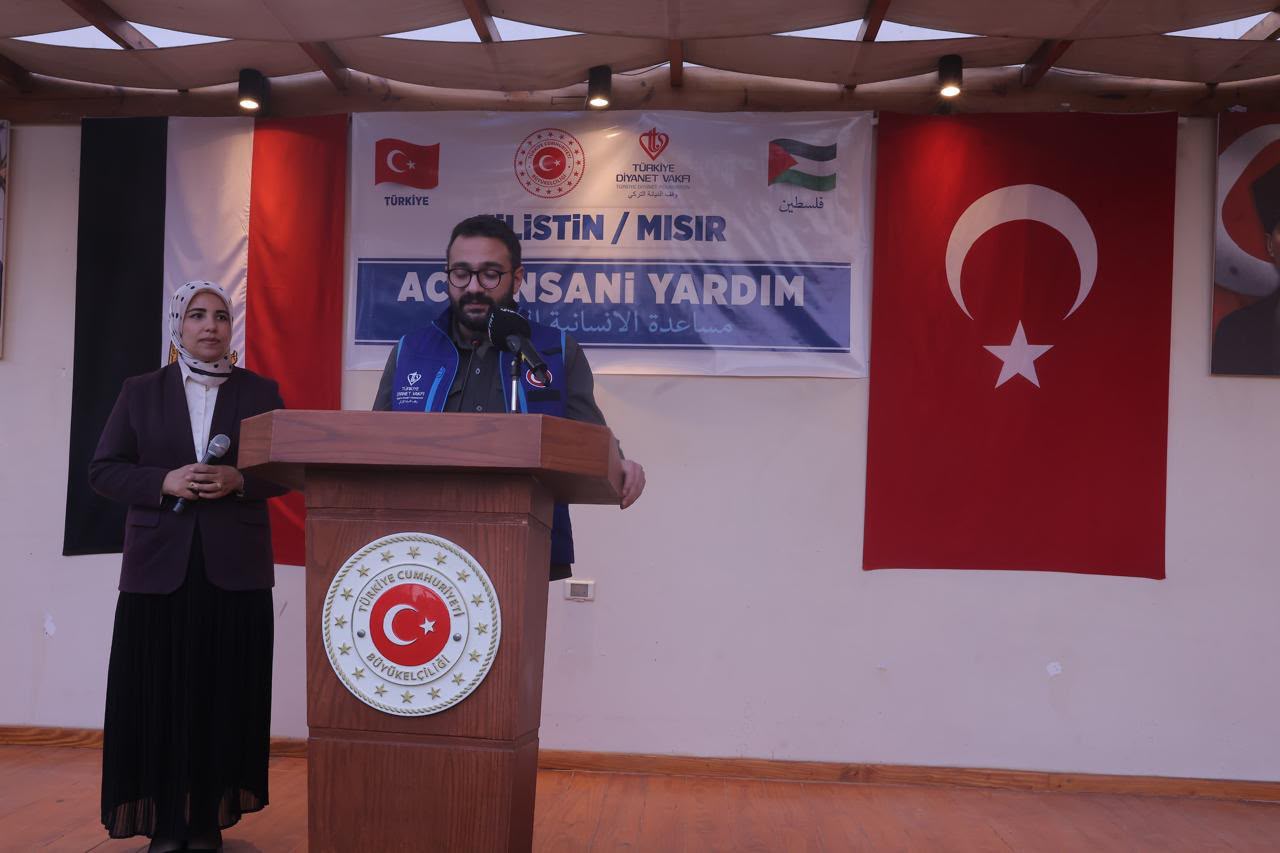
But if humanitarian relief can ease Palestinian suffering, who will address the underlying causes of this tragedy?
This is the question increasingly raised across Arab and Islamic societies, extending far beyond diplomatic capitals and official statements: Where is the broader Turkish role that people expect in the struggle to restore Palestinian rights, freedom, and dignity?
Providing assistance to 500 Palestinian families in Egypt is a noble humanitarian initiative. Sending thousands of mobile homes to Gaza, as Ambassador Şen indicated, would also be an important contribution if Israeli restrictions were lifted.
Yet Palestinians need more than tents, mobile homes, and food parcels. They need a secure homeland, freedom, the right to live in dignity, and the realization of their legitimate rights, including self-determination.
The issue is not merely ensuring the entry of humanitarian aid. It is ending the blockade and occupation, preventing forced displacement, and ensuring that humanitarian assistance never becomes a permanent substitute for the Palestinian people’s national and political rights.
Turkey: From Historic Positions to the Responsibility of Influence
For many years, Turkey’s image has been associated with prominent political and popular positions in support of Palestine, particularly following the 2010 Mavi Marmara incident, which marked a turning point in Turkish-Israeli relations and brought the blockade of Gaza back to the forefront of international attention.
Since the outbreak of the war in Gaza in October 2023, Ankara has taken political and economic measures against Israel, including suspending bilateral trade, withdrawing its ambassador, raising the Palestinian issue in international forums, and supporting international legal proceedings concerning Israeli violations.
Turkey has also participated in diplomatic efforts aimed at securing a ceasefire, alongside Egypt, Qatar, and the United States, while expressing its readiness to contribute to stabilization arrangements and the reconstruction of Gaza.
These positions deserve recognition when assessing Turkey’s role, rather than reducing its contribution exclusively to humanitarian assistance.
However, a legitimate question remains: How can these political positions, international relationships, and economic capabilities be transformed into more effective international pressure to ensure compliance with obligations, protect Palestinians, and prevent a recurrence of this catastrophe?
Turkey is a regional power, a member of NATO, and a country with extensive international relations and influential diplomatic channels. It also maintains an active presence in the Organization of Islamic Cooperation and the Developing Eight (D-8), alongside its relations with major international and regional powers.
Consequently, public expectations concern not only what Turkey can deliver in humanitarian assistance, but also what it can mobilize through political alliances, economic instruments, and diplomatic and legal pressure to stop violations and uphold international law.
Cairo and Ankara: A Partnership Beyond Humanitarian Relief
Egyptian-Turkish cooperation in delivering assistance to Gaza could provide an important foundation for developing a stronger and more coordinated regional position.
Egypt, by virtue of its geographical position and historic role, carries a central responsibility in the Palestinian issue. Turkey, meanwhile, possesses political, economic, and diplomatic instruments that could be mobilized in coordination with Cairo and other Arab and Islamic capitals.
What is needed is not competition between Egyptian and Turkish roles, but rather their integration within a common vision that protects the Palestinian people, rejects forced displacement, supports reconstruction, puts an end to attacks, and advances the establishment of an independent Palestinian state.
Coordination with international powers, diplomatic pressure through the United Nations and international courts, and unified positions on arms exports and transactions that contribute to the continuation of violations are among the tools that could transform political solidarity into tangible influence.
Palestine Needs More Than Humanitarian Convoys
Arab and Islamic societies do not underestimate the value of a loaf of bread, medicine, or shelter reaching a devastated Palestinian family. Such assistance is an urgent humanitarian and moral obligation that cannot be postponed.
At the same time, these societies look forward to the day when Palestinian families will no longer need exceptional humanitarian assistance simply to survive, because they will be able to live safely and with dignity in their own homeland.
True success should not be measured solely by the number of food parcels distributed or families receiving assistance, but also by the ability to end the circumstances that made those families dependent on humanitarian relief in the first place.
This is why our appreciation for Ambassador Salih Mutlu Şen, the Turkish Embassy in Cairo, and the Turkish Directorate of Religious Affairs Foundation should not prevent us from raising a broader question. On the contrary, it makes that question even more urgent:
Can Turkey, in cooperation with Egypt and the Arab and Islamic worlds, move beyond humanitarian solidarity toward an effective political partnership for freedom, justice, and the restoration of Palestinian rights?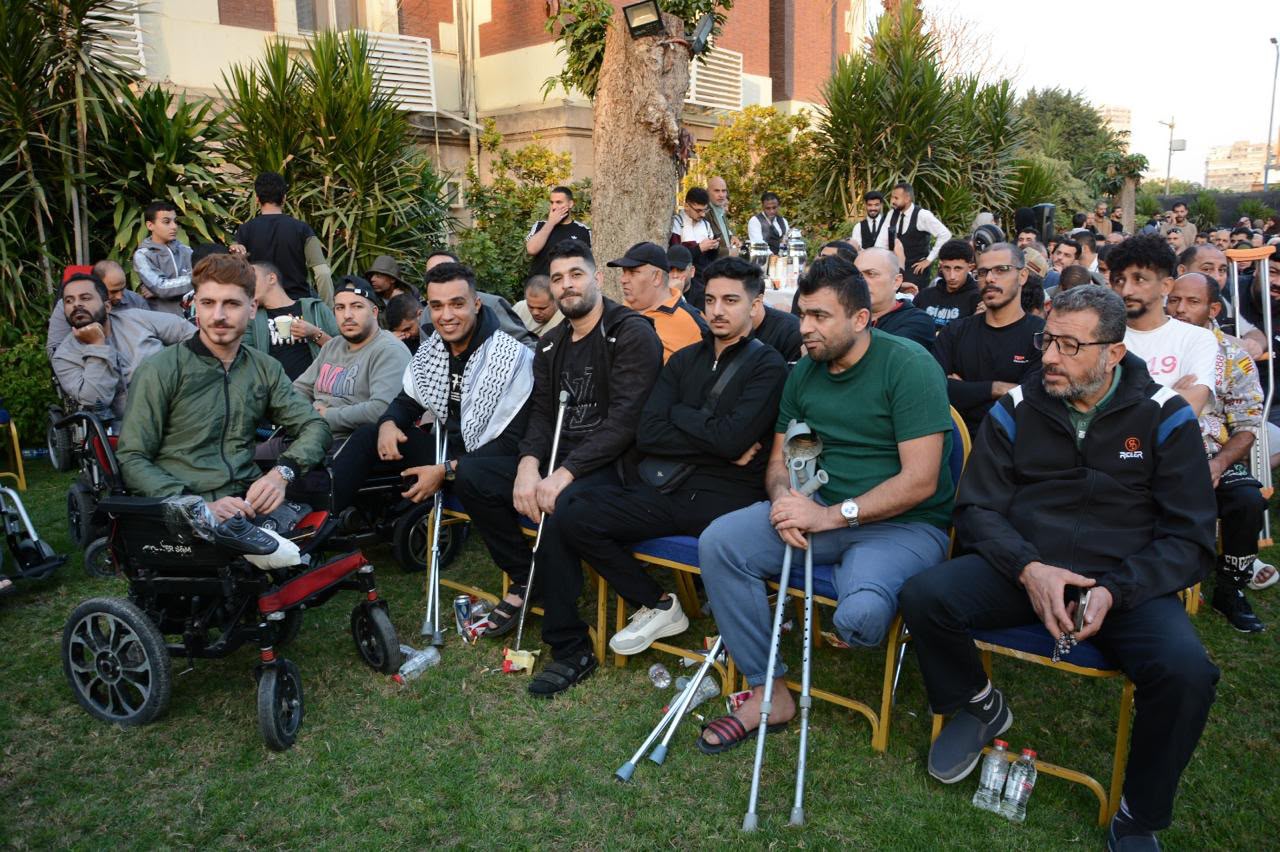
Palestine is not waiting for more sympathy alone. It is waiting for regional and international will capable of transforming sympathy into action, political positions into tangible results, and promises into rights on the ground.
From the warmth of humanitarian relief in Cairo to the dream of freedom in Palestine, human dignity remains the greater cause, and Palestine remains an issue that must never disappear from the conscience of the world.