 Editor-in-Chief Writes
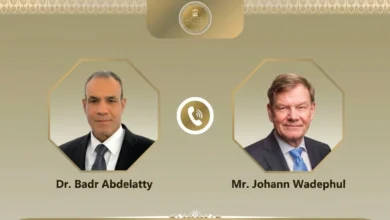
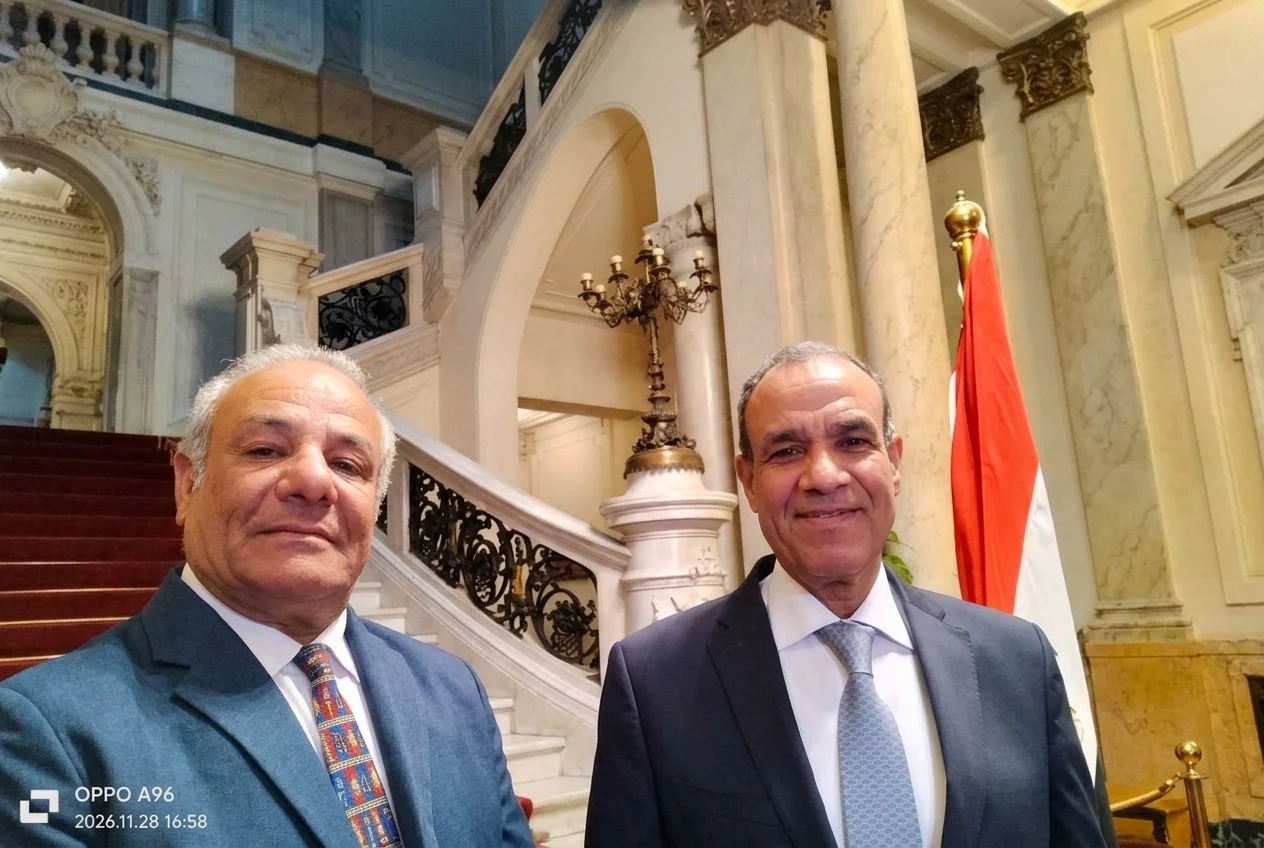
At a time when the international order is facing mounting challenges, regional conflicts are intensifying, and global powers are increasingly divided, Egyptian Foreign Minister Dr. Badr Abdelatty stands at the forefront of a diplomatic approach built on strategic balance, political realism, and the independent national decision.
His vision, as reflected in his dialogue with media and press leaders, goes beyond the traditional conduct of foreign affairs. It reveals a comprehensive understanding of diplomacy as an instrument for protecting national interests, safeguarding regional stability, building partnerships, and defending the principles of international law.
Strategic Balance: Independence Without Isolation
One of the defining features of Egypt’s foreign policy is its commitment to strategic balance—maintaining an independent national position without isolation, and engaging with international powers without becoming part of competing geopolitical camps.
This approach reflects Egypt’s determination to preserve its freedom of decision-making while expanding its international partnerships. Cairo maintains relations with the United States, China, Russia, and the European Union, alongside its engagement with influential countries such as France, Italy, Spain, Brazil, South Africa, and Nigeria.
The message is clear: Egypt does not build its foreign policy on the logic of alignment, but on the foundations of mutual respect, shared interests, and the protection of its national priorities.
Such a policy requires political flexibility, diplomatic patience, and a clear understanding of the changing international landscape.
International Law: The Foundation of a Just International Order
Dr. Abdelatty’s diplomatic vision places considerable emphasis on respect for international law and the Charter of the United Nations, particularly at a time when the credibility of international institutions and the consistency of their principles are being tested.
For Egypt, international legitimacy cannot be selective. The principles of sovereignty, territorial integrity, non-interference in internal affairs, and the peaceful settlement of disputes must apply to all states without double standards.
This position is particularly significant in a region where conflicts, foreign interventions, and competing interests have repeatedly undermined the foundations of statehood.
Protecting National States: No Future for Chaos
A central pillar of Egypt’s regional policy is the preservation of national institutions and the protection of state sovereignty.
The collapse of national institutions, the emergence of parallel entities, the proliferation of militias, and foreign interference create a dangerous environment that threatens not only individual countries but the stability of the entire region.
Egypt’s position is therefore rooted in supporting national institutions, preserving the unity of states, and rejecting attempts to impose political or military realities through force.
A strong state, with unified institutions and legitimate authority, remains the essential guarantee of security, stability, and sustainable development.
Dialogue Before Force: Diplomacy as an Alternative to Conflict
Another defining element of the Egyptian diplomatic approach is the rejection of military escalation as a substitute for political solutions.
Negotiation, dialogue, and peaceful settlements remain the most effective means of addressing disputes and preventing conflicts from spreading across borders.
This principle is particularly relevant to the Red Sea, whose security must be protected through regional cooperation and respect for the interests of the countries bordering it.
The militarisation of vital maritime routes would only deepen tensions and expose regional and international trade to further risks. The Red Sea should remain a corridor for cooperation, development, and shared security—not a theatre for confrontation.
Water Security: An Existential National Priority
Water security remains one of Egypt’s most fundamental national concerns.
Egypt’s position on the Nile is based on the conviction that water is an existential issue linked directly to the lives, livelihoods, and future of its people.
The country continues to stress the necessity of reaching a legally binding agreement on the filling and operation of the Grand Ethiopian Renaissance Dam, in a manner that safeguards the interests of Egypt and Sudan and respects the rights of all Nile Basin countries.
The Nile should be a source of cooperation and shared prosperity, rather than a cause of unilateral measures or regional tension.
Libya: Supporting Unity and a State of Institutions
On Libya, Egypt continues to pursue a balanced approach that maintains communication with the various Libyan parties in both the east and the west.
The Egyptian position is founded on preserving Libya’s unity and territorial integrity, supporting the unification of its military, security, and civilian institutions, and creating the conditions necessary for credible elections.
Cairo recognises that sustainable stability cannot be achieved through temporary arrangements or fragmented authority.
Only a unified Libyan state, supported by legitimate institutions and a national political process, can secure lasting peace and protect the interests of the Libyan people.
Egyptians Abroad: The Citizen at the Heart of Diplomacy
The protection of Egyptian citizens abroad is an essential responsibility of the Ministry of Foreign Affairs.
The recent sinking of a cargo vessel flying the Panamanian flag off the Cuban coast, which resulted in the death of an Egyptian citizen and left others missing or injured, once again highlighted the importance of consular follow-up and direct communication with Egyptian nationals and their families.
Through the Egyptian Embassy in Havana, the Ministry has been following developments and coordinating efforts to establish the fate and condition of the Egyptian crew members.
Diplomacy is not measured solely by international agreements and high-level meetings; it is also measured by its ability to protect the citizen wherever he or she may be.
This humanitarian dimension gives foreign policy its most direct meaning and reinforces the bond between the state and its citizens abroad.
Africa and the Horn of Africa: Strategic Depth and Shared Responsibility
Africa occupies a central position in Egypt’s strategic vision, particularly the Horn of Africa and the Red Sea region.
Egypt’s African engagement is not a temporary diplomatic priority; it is an extension of its geographical, historical, security, and developmental identity.
The stability of the Horn of Africa is closely connected to the security of the Red Sea, the protection of maritime routes, and the broader interests of the African continent.
This makes sustained political dialogue, economic cooperation, and coordination with African partners indispensable.
Egypt’s approach seeks to transform shared geographical realities into opportunities for cooperation, rather than allowing them to become sources of rivalry and instability.
Media and Diplomacy: A Partnership in National Awareness
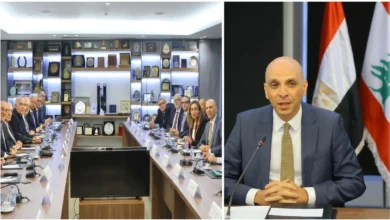
An important aspect of Dr. Abdelatty’s engagement with media and press leaders is his emphasis on maintaining direct and regular communication with the Egyptian media community.
The relationship between diplomacy and the media should not be confined to the transmission of official statements; it should be a genuine partnership based on dialogue, transparency, professional responsibility, and the exchange of perspectives.
In an era of information overload, misinformation, and rapidly changing narratives, the media has a vital role in explaining foreign policy, presenting Egypt’s positions, and strengthening public awareness of regional and international developments.
Regular dialogue between the Ministry of Foreign Affairs and media institutions can help bridge the gap between diplomatic decision-making and public understanding.
The Diplomatic Leader and the Challenges Ahead
The image that emerges from Dr. Badr Abdelatty’s diplomatic vision is that of a foreign policy guided by strategic independence, balanced international engagement, respect for international law, and an unwavering commitment to Egypt’s national interests.
Yet the real test of diplomacy is not simply the ability to articulate positions or maintain channels of communication. It lies in translating political vision into tangible achievements, transforming partnerships into practical cooperation, and turning diplomatic engagement into greater security, stability, and development.
In a world where political alliances are shifting and regional crises are becoming increasingly interconnected, Egypt needs diplomacy that combines firmness with flexibility, realism with principle, and national priorities with a broader understanding of international responsibility.
That is the challenge facing Egyptian diplomacy—and the measure by which its leadership will ultimately be judged.
For Egypt, diplomacy is not merely the art of navigating between competing powers. It is the art of preserving national independence, defending the country’s interests, and keeping the doors of dialogue open in a world increasingly tempted by confrontation.