Ashraf AboArafe
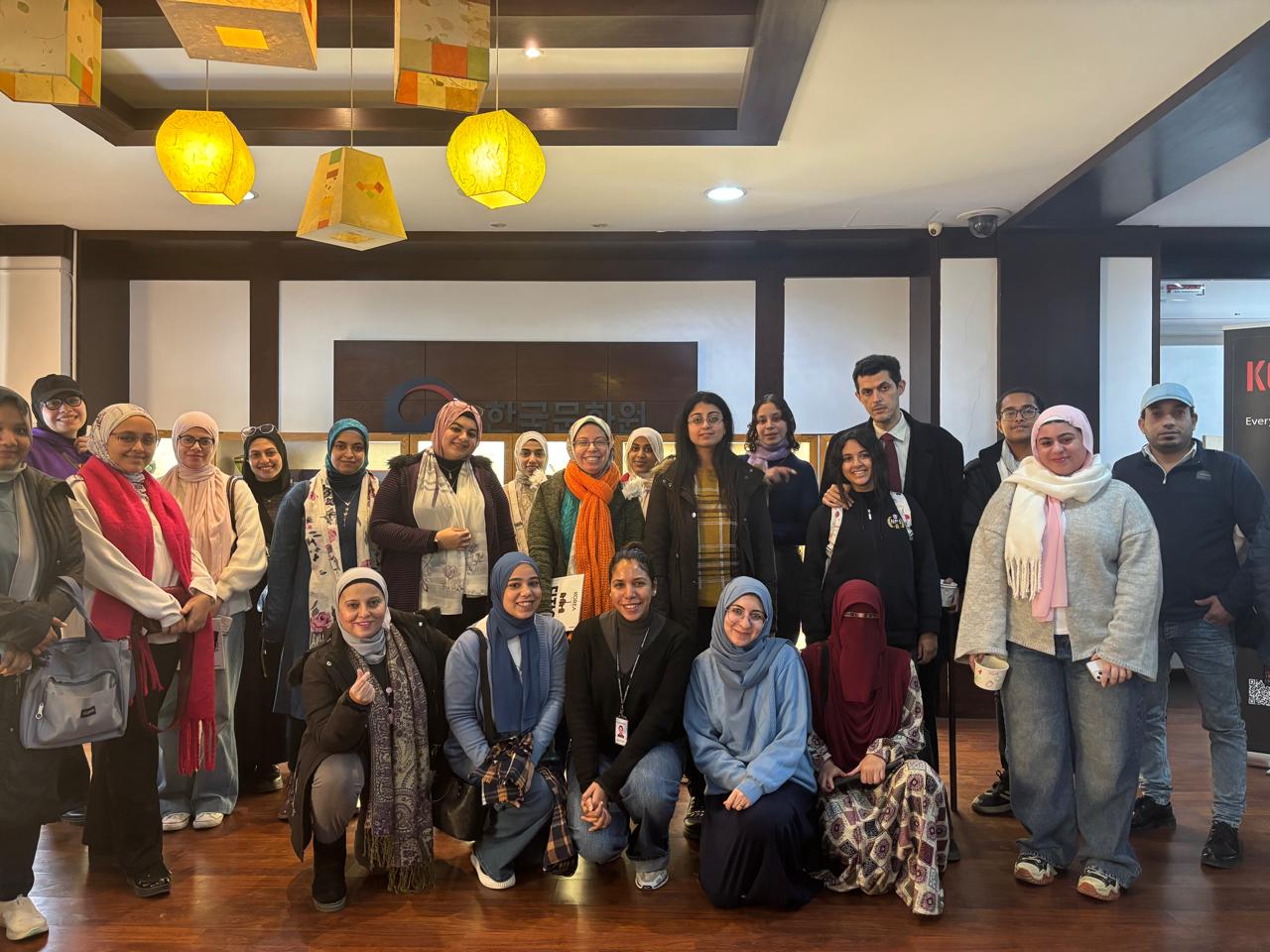
The Korean Cultural Center launched its cinematic program for the new year with a special screening of the Korean film Wonderland, as part of its ongoing efforts to introduce contemporary Korean cinema and deepen cultural exchange between South Korea and Egypt.
In his welcoming remarks, the Center’s Director, Oh Sung-ho, emphasized that film is one of the most engaging and accessible ways for audiences to discover Korean culture. He noted that watching Korean films also offers viewers an opportunity to become familiar with the Korean language, describing each film as a journey into Korea itself.
Produced in 2024, Wonderland blends science fiction with drama, unfolding in a futuristic world where advanced digital technology allows people to communicate virtually with loved ones they have lost or been separated from. Through a series of interconnected stories, the film explores themes of loss and longing, while raising profound human questions about memory, love, and the limits of reliance on technology.
The screening is part of a weekly cultural program organized by the Center under the title “Korea Flix,” held every Thursday. The program creates a space for Egyptian audiences to engage with shared human concerns through the language of cinema.
This year’s lineup features a selection of the latest Korean film productions. Audiences can follow the weekly screenings and program updates through the Center’s official website and social media platforms.