Ashraf AboArafe
Algeria – The Saudi delegation headed by the Minister of Hajj and Umrah, Dr. Tawfiq Al-Rabiah concluded; his fruitful meetings in Algeria; With a number of officials and travel and Umrah companies, on the sidelines of the exhibition held to review the incentives and facilities offered by the Kingdom of Saudi Arabia through the “Nusk” platform, to those who are destined for Makkah and Madinah;
That platform that provides a number of various options for issuing an entry visa to the Kingdom, with ease, smoothness and ease, with an abundance of information and packages to enrich the experience of the guests of Rahman.
The official Saudi delegation to major Hajj and Umrah companies in Algeria gave a detailed explanation of the development steps adopted by the government of the Custodian of the Two Holy Mosques King Salman bin Abdulaziz; In order to receive and serve the increasing numbers of pilgrims from all over the world.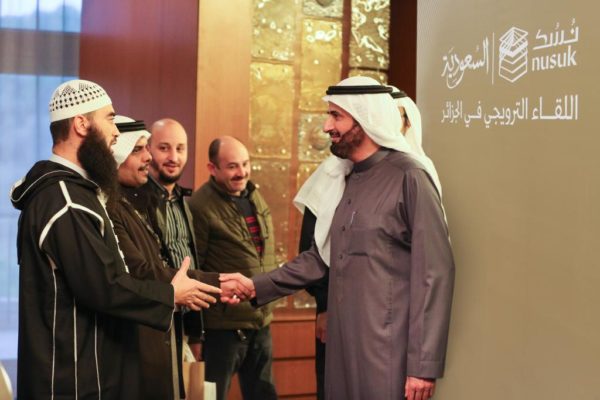
It is noteworthy that Algerian nationals who obtain a visit visa for all its purposes can perform Umrah and move around the Kingdom through a number of options such as: issuing an Umrah visa electronically by obtaining one of the Umrah programs through the “Nesk” platform, or obtaining the visa directly from the embassy, Or upon arrival at the international airports of the Kingdom, for residents or holders of commercial or tourist visas for the countries of the European Union, the United States of America and the United Kingdom,
It is also possible to obtain a visit visa through the unified national platform for visas, by hosting Saudi citizens for their friends and acquaintances.
In order to facilitate visitors to the Kingdom, visa application reception offices will be reopened in the city of Oran in the west and Constantine in the east during the second quarter of 2023.
This visit comes in the context of the tours and introductory meetings that the Saudi delegation undertakes inside and outside the Kingdom, as the Kingdom received more than fifty delegations during the Hajj and Umrah Services Conference and Exhibition, in addition to the regional tours and exhibitions of Nikk in Egypt, Turkey, Kazakhstan, Uzbekistan and others.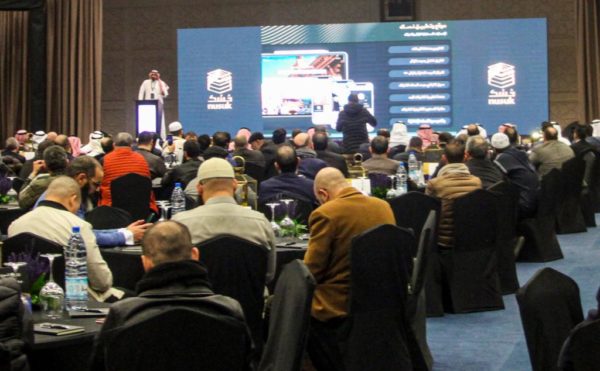
And the Ministry of Hajj and Umrah had announced earlier the launch of the unified government platform “nusuk.sa”, in partnership with the Saudi Tourism Authority, to be the new Saudi portal for those visiting Makkah and Madinah, with the aim of developing the experience of the guests of Rahman, and facilitating the procedures for their arrival to perform Umrah and visit from All over the world, as part of the initiatives of the pilgrims service program – one of the programs of Saudi Vision 2030.