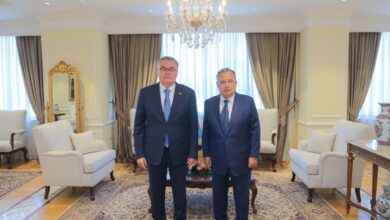
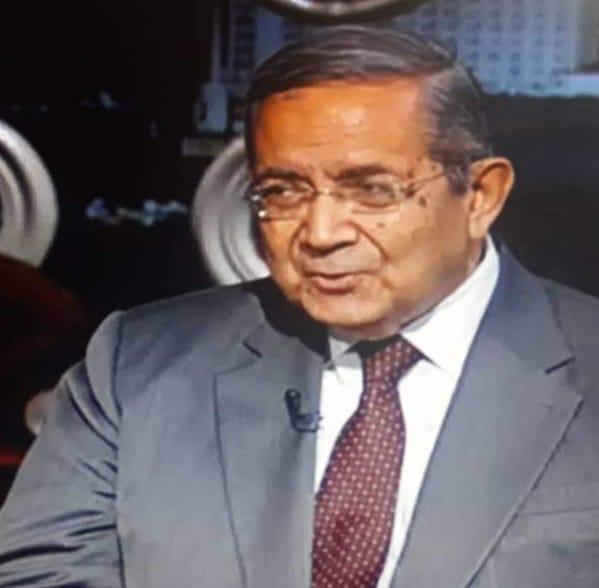
 Ambassadr Gamal Bayoumi writes
Secretay General at Arab Investors Union (AIU)
In a quiet yet telling shift, Egypt appears to be deliberately delaying the formal approval of Israel’s new ambassador-designate, Ori Rothman, marking an unprecedented moment in the diplomatic relations between the two countries since their normalization in 1979. While no official statement has been issued, the absence of response speaks volumes—this is diplomacy in protest mode, without the noise.
The Power of Silence: Cairo’s Message Without a Megaphone
Egypt’s foreign policy has long been defined by strategic pragmatism and low-decibel diplomacy. The current delay in accepting Israel’s ambassador does not involve fiery speeches or formal rejections. Rather, it reflects a form of diplomatic signaling—a silent rebuke wrapped in protocol.
Since the onset of Israel’s war in Gaza on October 7, 2023, Egyptian-Israeli relations have grown increasingly tense. Beyond the public outcry in Egypt, officials have expressed concerns over Israel’s actions in Gaza and its growing military footprint near Egypt’s borders in the Sinai Peninsula.
A Quiet Downgrade of Relations
Former Egyptian Deputy Foreign Minister Ambassador Gamal Bayoumi, a seasoned diplomat who once led Israel Affairs at the Egyptian Foreign Ministry, clarified that Egypt has not formally rejected the ambassador, but rather has delayed accepting his credentials.
This soft approach reflects a de facto downgrading of diplomatic relations—Israel’s outgoing ambassador left Cairo in late 2024, and Egypt has not sent a replacement for its own ambassador to Tel Aviv, who returned home in October 2024 amid escalating tensions.
As Bayoumi notes, “From a practical perspective, this means Egypt has recalled its ambassador without fanfare. While this has not been officially declared, Israel understands such diplomatic cues very well.”
Behind the Curtain: Cairo’s Strategic Recalibration
What we are witnessing is more than procedural delay; it signals a strategic reassessment by Cairo of its relationship with Tel Aviv. Egypt seems to be shifting from a posture of passive tolerance to one of active dissatisfaction, rooted in national interests and regional stability concerns.
The broader regional climate also plays a role. As Israel’s relations with several Arab countries sour over its Gaza campaign, Egypt’s behavior aligns with an emerging regional recalibration—a moment where symbolic peace is no longer enough in the face of humanitarian catastrophe.
This shift does not mean Egypt is abandoning the Camp David Accords. Rather, it is using subtle tools of statecraft to apply pressure and express displeasure, all while preserving its role as a critical regional mediator.
Conclusion: The Rise of Quiet Diplomacy
Egypt doesn’t need to shout to make its point. By withholding approval for Israel’s ambassador and leaving its own seat in Tel Aviv vacant, it is sending an unmistakable message:
This relationship is under review.
This is not diplomacy as usual. It’s deliberate ambiguity, strategic silence, and a calibrated response from a state that understands the weight of every unsaid word.
In the theater of international relations, sometimes the loudest message is the one left unspoken.