 Ashraf AboArafe writes
In a world riddled with rising geopolitical tensions and legal fragmentation, China has taken a strategic step toward redefining how nations resolve disputes—through dialogue rather than confrontation. The announcement of the upcoming signing of the Convention on the Establishment of the International Organization for Mediation (IOMed) signals not only a major shift in global legal architecture but also China’s intention to position itself as a moral and procedural anchor in multipolar diplomacy.
On May 30, 2025, Foreign Minister Wang Yi will attend the ceremonial signing of the Convention in Hong Kong—the chosen headquarters for the newly-formed body. Nearly 60 countries across four continents, and over 20 international organizations including the United Nations, are expected to participate. It is a moment that may quietly rival traditional forms of dispute resolution such as arbitration or adjudication—marking a deliberate pivot toward softer, consensus-based legal diplomacy.
Mediation as Strategic Soft Power
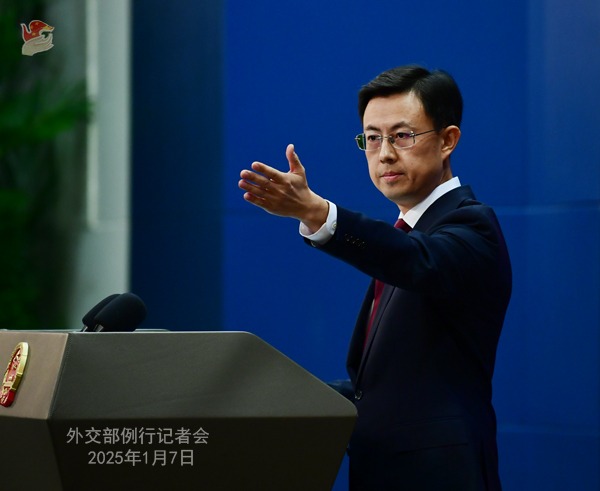
At the heart of this initiative is a familiar, yet underutilized principle: mediation. As Spokesperson Mao Ning pointed out, mediation is embedded in Article 33 of the UN Charter as a recognized means of peaceful dispute resolution. What differentiates mediation from other forms of conflict settlement is its non-confrontational nature, cost-effectiveness, and emphasis on mutual respect. Mao described it as “reflective of the tradition of amity and harmony which is valued in the East.”
This is no coincidence. By promoting mediation, China is exporting a model of international relations aligned with Confucian values—moderation, harmony, and compromise—rather than the adversarial models dominant in Western-led arbitration forums.
The Legal and Geopolitical Implications
The creation of IOMed is not merely symbolic. It proposes an alternative intergovernmental mechanism, possibly reducing reliance on Western-dominated dispute platforms like the International Court of Justice (ICJ), Permanent Court of Arbitration (PCA), or the World Bank’s ICSID. Notably, IOMed’s scope includes state-to-state disputes, investor-state conflicts, and commercial disagreements, making it one of the most inclusive legal institutions of its kind.
By institutionalizing mediation through a globally representative organization headquartered in Hong Kong, China is:
- Reinforcing its commitment to peaceful dispute resolution;
- Offering a legal forum more accessible to the Global South;
- And asserting itself as a neutral convener in an increasingly fragmented world order.
This move can also be read as a soft challenge to perceived Western legal hegemony, creating multipolar options for countries seeking dispute resolution outside traditional Euro-American legal spheres.
Toward a Multipolar Legal Order
The timing of this development is notable. As many international institutions face legitimacy crises or politicization, IOMed offers a fresh architecture that complements rather than competes with existing mechanisms. It promises coordination, not duplication—an opportunity for dispute settlement frameworks to “make each other more effective,” as Mao Ning put it.
Moreover, the establishment of IOMed supports China’s broader Global Development Initiative (GDI) and Global Security Initiative (GSI)—two foreign policy pillars aimed at crafting a more inclusive, stable, and equitable international system.
Conclusion: A Legal Silk Road
The International Organization for Mediation may prove to be a cornerstone of a “legal Silk Road”—a system built not on domination or exclusion, but on collaboration, diversity of legal traditions, and mutual benefit. In a world grappling with conflict fatigue, this initiative sends a quiet yet powerful message: dialogue still matters.
As the ink dries on the Convention in Hong Kong, what begins as a legal formality may one day be recognized as a historic pivot in how humanity chooses to resolve its deepest differences—not with the bang of a gavel, but with the power of understanding.