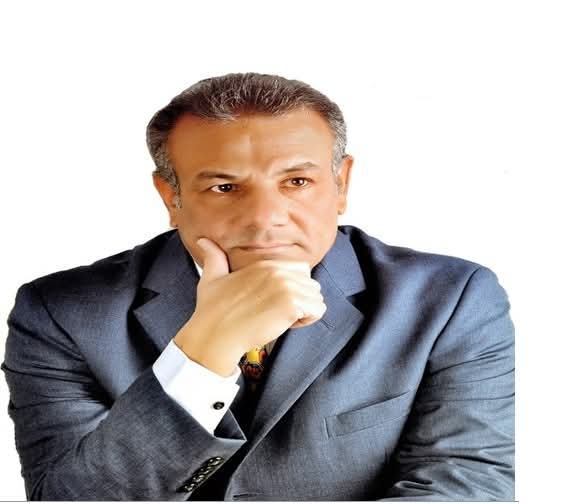
 Chief editor analyzes
1. Symbolic Diplomacy in Karabakh
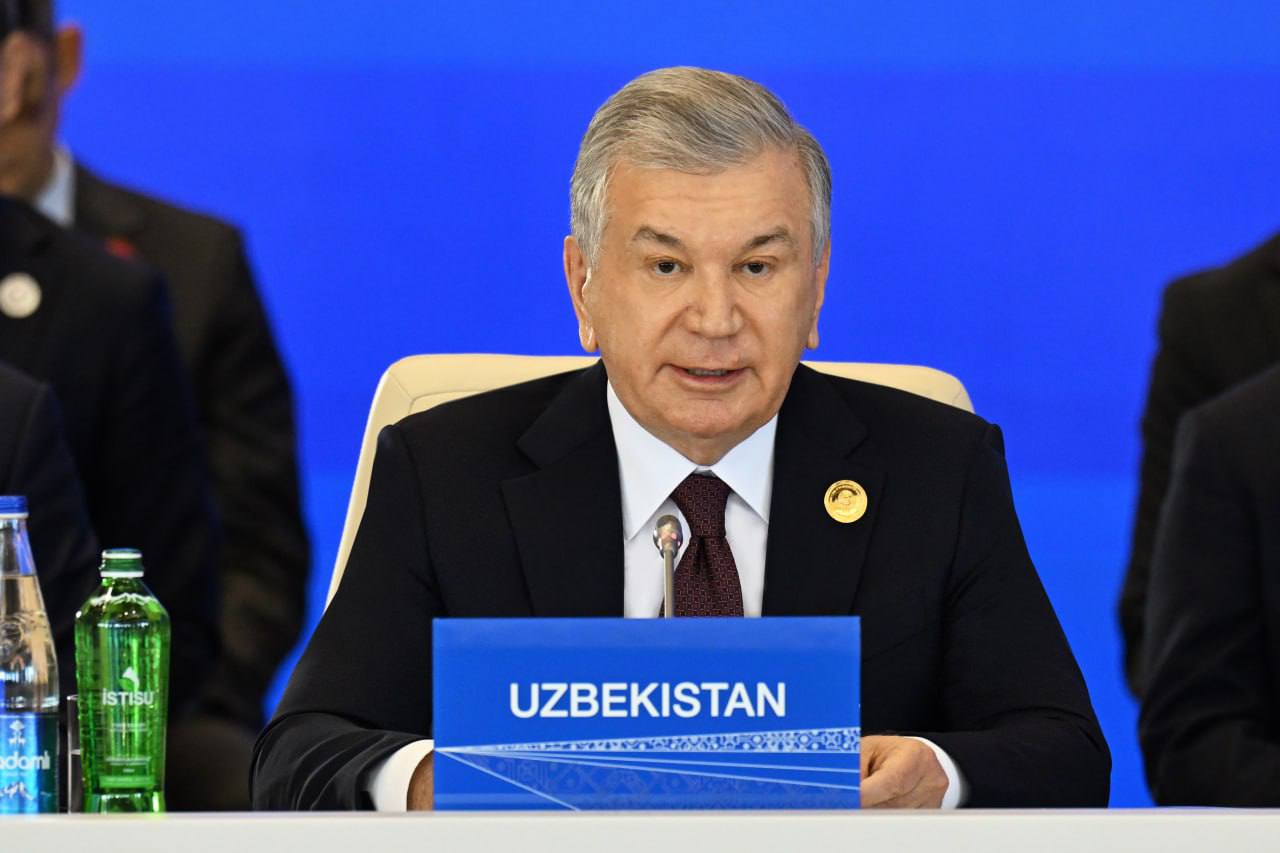
President Mirziyoyev’s opening remarks underscore a symbolic message of peace and solidarity by referencing the historic city of Khankendi (in the contested Karabakh region). Choosing this venue aligns with a broader message of post-conflict reconstruction and regional unity, particularly in light of recent Armenia-Azerbaijan tensions. Mirziyoyev frames the summit as a celebration of peace over conflict, reinforcing the ECO’s potential as a stabilizing force.
2. Welcoming Afghanistan Back: Realism and Regionalism
Mirziyoyev’s explicit inclusion of Afghanistan’s interim government is a bold geopolitical statement. While many Western nations remain hesitant to engage the Taliban-led administration, Uzbekistan advocates for inclusion rather than isolation. Tashkent views Afghanistan not as a burden, but as a vital link in trade, transit, and energy networks, such as the proposed Trans-Afghan railway corridor. This reflects Uzbekistan’s pragmatic foreign policy, focused on regional economic integration over ideological confrontation.
3. A Stark Warning on Global Instability
Mirziyoyev does not shy away from addressing pressing geopolitical dangers. His comments on:
The erosion of international law
Military actions against Iran, a fellow ECO member
The risk of regional war and ecological catastrophe
These are powerful statements that mark Uzbekistan’s assertive multilateralism. By supporting the ceasefire between Iran and Israel, Mirziyoyev positions ECO — and by extension Uzbekistan — as a moderating voice in global diplomacy. This appeal to diplomacy is reinforced by his call to expand nuclear-weapon-free zones and resolve the Palestinian question based on UN resolutions.
4. Economic Vision: From Rhetoric to Roadmaps
A major thrust of the speech is a detailed blueprint for economic transformation within the ECO. Mirziyoyev proposes:
Strategic Goals of Economic Cooperation – 2035
Eco-Invest Program to attract international capital
Trade Facilitation Agreement
Establishment of Green Corridors
Boosting e-commerce and digital integration
He is clearly pushing the ECO from being a symbolic organization to becoming a functional economic bloc, akin to a mini-Eurasian version of ASEAN. His mention that intra-ECO trade is only 10% of total trade is both a critique and a call to action.
5. Transport Corridors: Linking China to the Gulf
The most strategic proposal involves multi-modal connectivity:
China–Kyrgyzstan–Uzbekistan railway
Its future linkage with the Trans-Afghan corridor
A call for a Digital Transport and Customs Office
Expanded aviation and tourism cooperation
This aligns with Uzbekistan’s broader goal to become a land-linked hub — an inland crossroads of Eurasian trade. The “Digital Transport” initiative signals a desire to leapfrog bureaucratic inefficiencies using smart logistics and AI.
6. Green Diplomacy and Climate Strategy
Another forward-looking component of the speech is Uzbekistan’s emphasis on climate cooperation, especially:
Implementation of COP-29 goals (hosted in Baku)
A “Transboundary Green Initiative” for forestation and eco-tourism
Mirziyoyev clearly intends for ECO to play a collective role in climate adaptation — particularly important for landlocked, arid countries like Uzbekistan and Turkmenistan that are suffering from desertification and water scarcity.
7. Institutional Reform and Vision for ECO
The president’s final call is for structural reform of the ECO itself. By tasking the High-Level Committee with proposing modernization measures by the next summit, Mirziyoyev acknowledges the limitations of the current ECO structure. His ambition is to make it more responsive, dynamic, and globally relevant.
Conclusion: Tashkent’s Regional Doctrine in Action
President Mirziyoyev’s speech goes far beyond ceremonial platitudes. It represents a cohesive regional doctrine:
Diplomatically neutral but strategically assertive
Economically pragmatic yet visionary
Multilateralist in outlook, with regional priorities at heartThis address solidifies Uzbekistan’s ambition to act as a bridge between East and West, North and South, while promoting a rules-based, inclusive, and green economic order. It is a defining moment in the evolution of ECO — and reflects Uzbekistan’s emergence as a regional leader in Central and South Asia.