 Chief editor analyzes
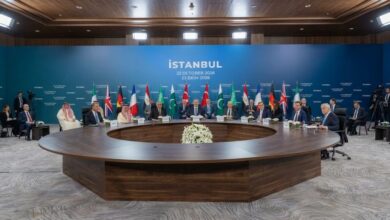
In a carefully timed and strategically calculated move, the eight OPEC+ member states—Saudi Arabia, Russia, Iraq, the United Arab Emirates, Kuwait, Kazakhstan, Algeria, and the Sultanate of Oman—held a virtual meeting on July 5, 2025, to review current oil market dynamics and future outlook.
The meeting builds on the coordination efforts announced in April and November 2023, when these countries introduced additional voluntary production cuts to stabilize oil markets during a period of price uncertainty and economic fragility.
🔹 Why Now? What’s Behind the Decision?
According to the official statement, the countries based their decision on “stable global economic outlook” and positive market fundamentals, including a decline in oil inventories. These signs gave the group the confidence to begin a measured and flexible recovery of their previously reduced output.
In line with the agreement reached on December 5, 2024, the group decided to increase production by 548,000 barrels per day in August 2025, representing four monthly increments. These adjustments remain subject to modification or pause, depending on market developments—offering OPEC+ the agility to act in real time and sustain market balance.
This move comes within the broader strategy to gradually restore the 2.2 million barrels per day voluntarily cut earlier, striking a balance between maintaining price stability and responding to national revenue needs.
🔸 Who Benefits—and Why?
✅ Primary Beneficiaries:
- Oil-exporting economies such as Saudi Arabia, the UAE, Iraq, and Kuwait, which rely heavily on oil revenues to fund major economic transformation programs like Vision 2030.
- Russia, which, despite facing Western sanctions, continues to seek stable revenue flows to support its military and domestic economy.
- Countries like Algeria, Kazakhstan, and Oman that depend on higher oil prices to preserve fiscal balance and public spending.
✅ Global Market Confidence:
- By signaling readiness to act, OPEC+ reinforces its role as a stabilizing force amid a volatile energy environment.
- Market observers see this as a positive signal of price discipline, which helps investors hedge against global uncertainty.
❗ However, Key Oil Importers May Feel the Heat:
- Major consumers like China, India, and the European Union may face higher energy costs—potentially complicating their efforts to reduce inflation.
- The United States, in an election year, may interpret the production hike as added pressure on domestic fuel prices.
🔺 Follow-Up & Compensation Plans
The eight OPEC+ countries reaffirmed their commitment to the Declaration of Cooperation, including additional voluntary adjustments agreed upon in the 53rd Joint Ministerial Monitoring Committee (JMMC) meeting held in April 2024.
Monthly follow-up meetings will be held to track market developments, compliance levels, and the implementation of overproduction compensation plans. The next meeting is scheduled for August 3, 2025, when production levels for September will be reviewed.
🧭 Final Analysis: Calibrated Flexibility in a Delicate Balance
With this move, OPEC+ sends a dual signal:
- To markets: “We’re in control, and our approach is flexible and proactive.”
- To producer nations: “There’s room to recover lost ground, but without destabilizing global supply.”
It’s a subtle yet strategic play—restoring supply without triggering a price collapse, and emphasizing that market stability is a shared responsibility.
OPEC+ continues to act as the conductor of the global oil orchestra—even as geopolitical rivalries and economic fragmentation test its harmony.