Ashraf AboArafe
Egypt and the United Nations Reaffirm Partnership to Strengthen Inclusive Essential Services for Migrants, Refugees, and Host Communities
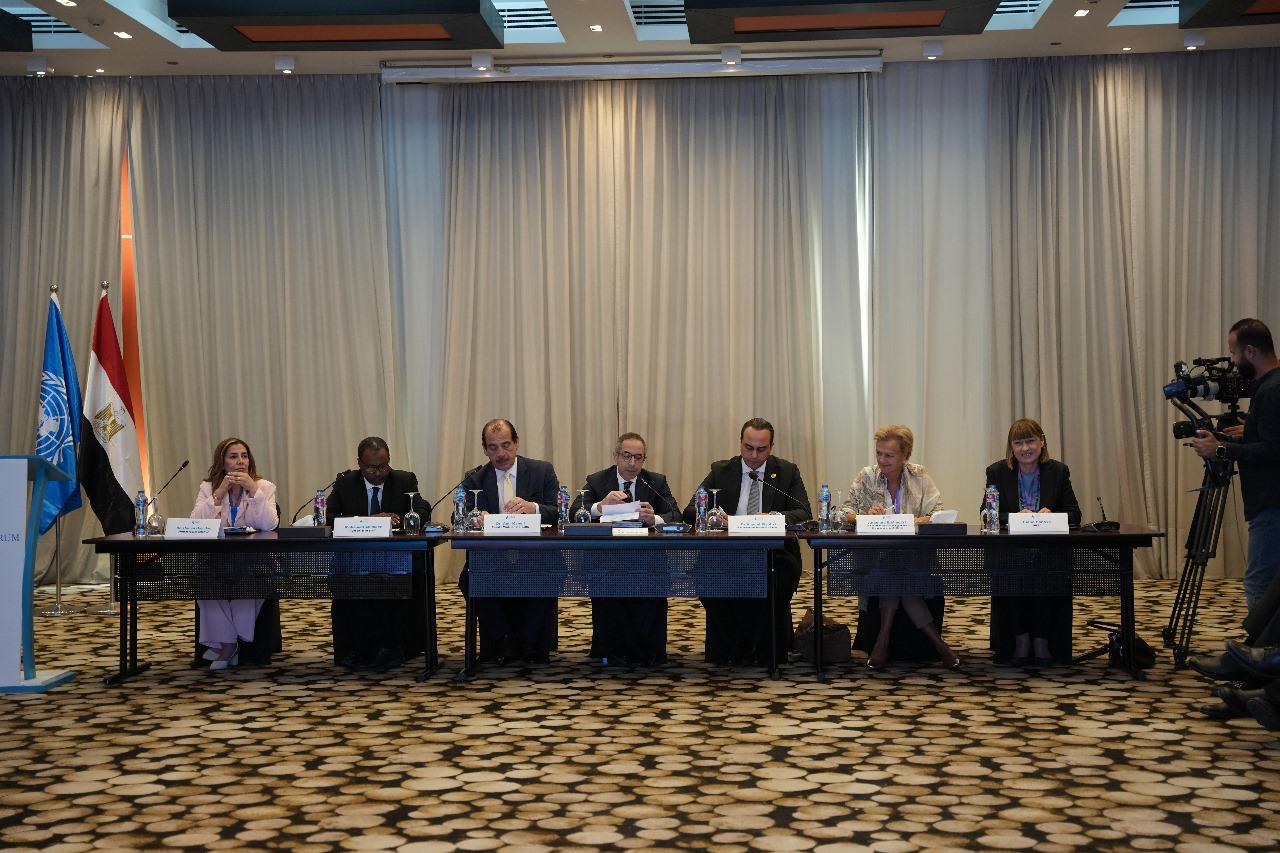
Aswan, October 20, 2025 – The Government of Egypt, represented by the Ministry of Foreign Affairs and the Ministry of State for Emigration and Egyptian Expatriates’ Affairs, together with the United Nations in Egypt and in partnership with the European Union, convened a high-level event on the sidelines of the Aswan Forum for Peace and Sustainable Development.
The event spotlighted progress achieved through the Joint Platform for Migrants and Refugees — a coordinated effort designed to enhance access to essential services and strengthen social cohesion among migrants, refugees, and host communities across Egypt.
Attendees included Ambassador Amr El-Sherbiny, Assistant Minister of Foreign Affairs for Multilateral Affairs and International Security; Mohamed Abdiker, Chief of Staff at the International Organization for Migration (IOM); Elena Panova, UN Resident Coordinator in Egypt; Ambassador Angelina Eichhorst, Head of the European Union Delegation to Egypt; Dr. Amr Kandil, Assistant Minister of Health for Preventive Medicine; and Dr. Amr El-Sobky, Chairperson of the Healthcare Authority. Also present were European ambassadors, the IOM’s Regional Director for the Middle East and North Africa, the IOM Chief of Mission in Egypt, and representatives from UNHCR, UNICEF, and WHO.
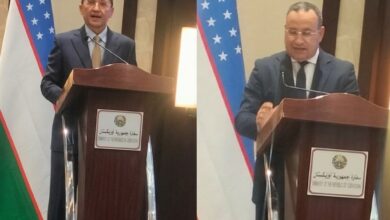
In his opening remarks, Ambassador Amr El-Sherbiny emphasized:
“It is vital to reaffirm the principle of burden- and responsibility-sharing, as outlined in the Global Compact on Refugees. Supporting host countries demands collective effort and sustained international solidarity. We call on our international partners to continue strengthening cooperation and ensuring the necessary resources to sustain equitable and inclusive services for both refugees and host communities.”
The session underscored the tangible and continuing impact of the Joint Platform for Migrants and Refugees, which unites UN agencies, government institutions, and development partners to improve protection systems, expand service access, and promote social harmony throughout Egypt. It also showcased Egypt’s inclusive approach — ensuring that all those in need, regardless of nationality, receive humane and high-quality care.
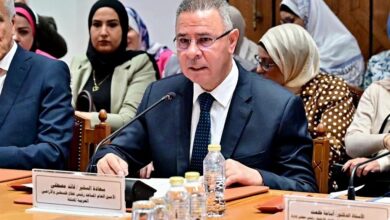
Mohamed Abdiker of IOM stated:
“Today’s event is a powerful reminder of what can be achieved when government, the UN, and the international community work hand in hand to uphold dignity and ensure access to essential services for migrants, refugees, and host communities. This partnership embodies a shared commitment to inclusivity, cooperation, and a people-centered approach.”
Through the EU-funded Joint UN Program, the World Health Organization is implementing the Health Expenditure Coverage Program (HECP) to cover medical costs for Sudanese patients treated in the facilities of the General Authority for Healthcare. In parallel, IOM has provided medical caravans and supplies to ten health centers in Aswan Governorate to maintain continuity of care, prevent medicine shortages, and strengthen local hospitals’ capacity to serve displaced and vulnerable populations.
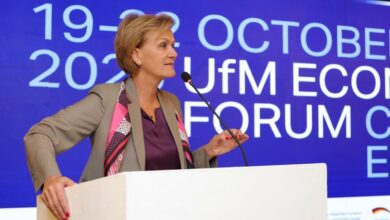
Ambassador Angelina Eichhorst reaffirmed the European Union’s continued support for Egypt’s efforts to improve services for refugees, asylum seekers, and migrants, while bolstering the resilience of host communities coexisting with refugee populations.
UN Resident Coordinator Elena Panova noted:
“This is a clear example of how coordination and partnership can yield real, measurable impact. Yet, to sustain this success, we need more partners. Egypt’s generosity in hosting and supporting displaced populations must be met with equal commitment from the international community. To ensure sustainability and scale, we call for broader responsibility-sharing — across public and private sectors, and bilateral and multilateral actors alike.”
Dr. Hanan Hamdan, UNHCR Representative to Egypt and the League of Arab States, added:
“The Joint Platform reflects a collective conviction that amid growing displacement, limited funding, and unprecedented regional instability, national leadership must be complemented by global solidarity. Egypt’s whole-of-government and whole-of-UN approach stands as a compelling model of how to respond effectively and humanely to the intertwined needs of refugees, migrants, and host communities.”
In parallel, UNHCR, UNICEF, IOM, and WHO continue to expand access to primary healthcare, nutrition, education, community protection, and livelihood programs — empowering families to rebuild their lives with dignity and hope, while strengthening national systems to sustain inclusive support.
These collective efforts exemplify the transformative power of partnership — turning challenges into opportunities and reaffirming Egypt’s role as a regional beacon of solidarity and inclusion.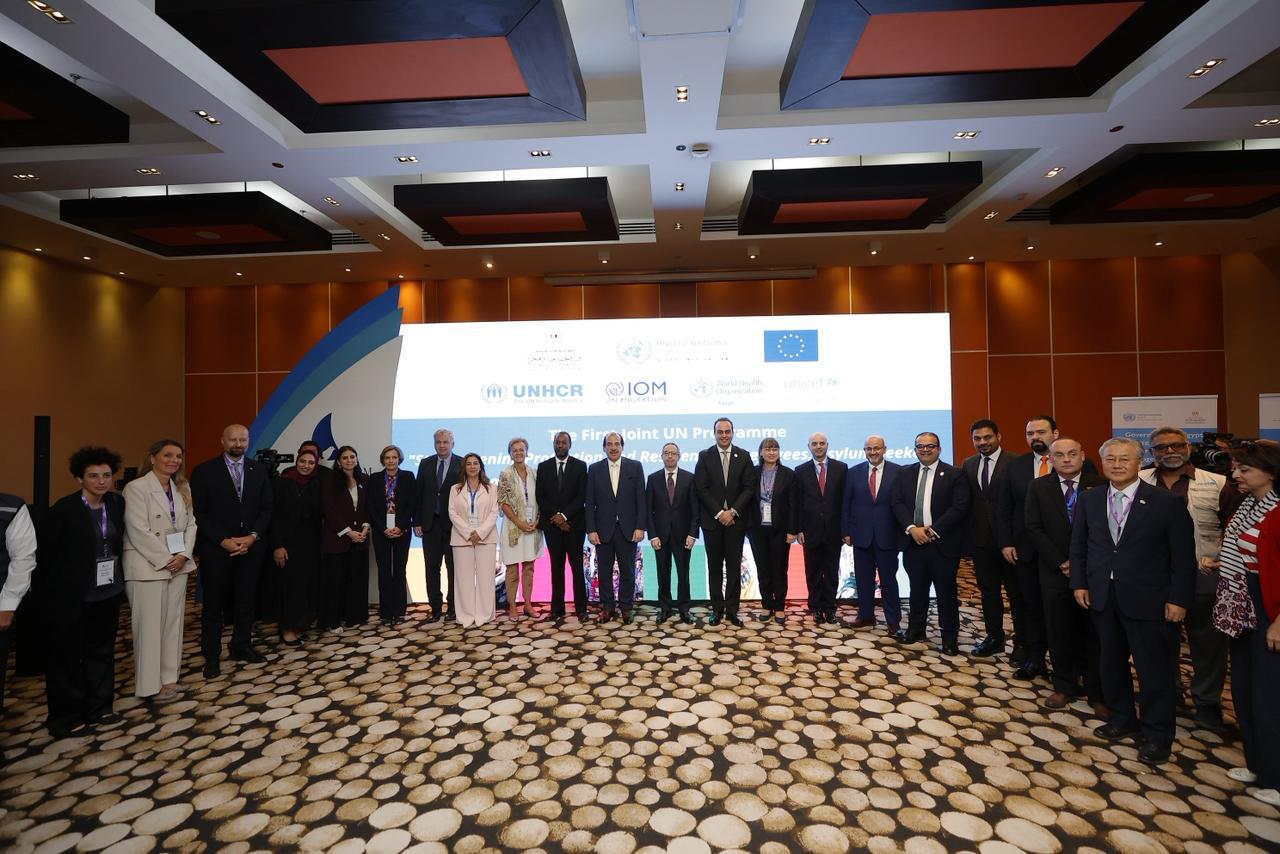
In conclusion, the Government of Egypt and the United Nations in Egypt renewed their shared commitment to advancing comprehensive and sustainable solutions for migrants, refugees, and host communities. The progress achieved so far stands as living testimony to what unity, compassion, and steadfast commitment to human dignity can accomplish — ensuring that no one is left behind.