Chief editor writes
From Sovereignty to Global Presence
Kazpravda newspaper notes that since the early years of sovereign development, Kazakhstan’s Declaration of Sovereignty laid the groundwork for the country’s unique position in international relations.
“It was at that moment that Kazakhstan began to establish itself as an independent player on the world political stage. In fact, even before the Declaration of Independence, our country began to play a much more active role in foreign policy,” the article emphasizes.
The declaration marked the emergence of a new Central Asian actor, capable of balancing historical legacies with an open and pragmatic foreign policy vision.
First Diplomatic Footprints
Kazakhstan’s growing visibility was reflected in several historic high-level visits in 1991. Among the early guests were Turkish President Turgut Özal, UN official Peter Hansen, U.S. Secretary of State James Baker, and German Foreign Minister Hans-Dietrich Genscher.
These visits signaled not only recognition of Kazakhstan’s sovereignty but also laid the foundation for enduring partnerships in diplomacy, security, and economic cooperation.
A Bridge Between East and West
Kazakhstan’s international identity is defined by its strategic geography—a natural bridge between East and West, North and South.
“Kazakhstan has become not only a geographical bridge but also an economic, diplomatic, and cultural one,” writes Kazpravda.
In shaping its foreign policy architecture, the country has consistently pursued diversification and balance, ensuring that engagement with global and regional powers remains inclusive and forward-looking.
Multilateral Engagement and Global Diplomacy
Kazakhstan joined the United Nations in 1992, later becoming the first Central Asian state to serve as a non-permanent member of the UN Security Council (2017–2018)—a historic achievement that reflected its growing diplomatic maturity.
In 2025, the UN Regional Center for Sustainable Development Goals for Central Asia and Afghanistan was inaugurated in Almaty, reaffirming Kazakhstan’s commitment to sustainable and regional development.
That same spirit of engagement extended to other major organizations:
- Organization for Security and Co-operation in Europe (OSCE) – joined in 1992 and chaired in 2010, hosting the only OSCE summit of the 21st century.
- Conference on Interaction and Confidence-Building Measures in Asia (CICA) – initiated by Kazakhstan to foster security dialogue in Asia.
- Organization of Islamic Cooperation (OIC) – joined to strengthen cultural and religious diplomacy.
- Shanghai Cooperation Organization (SCO), Organization of Turkic States, and Eurasian Economic Union (EAEU) – co-founded and actively shaped by Kazakhstan as tools for regional integration.
Moreover, Kazakhstan continues to promote dialogue among Central Asian nations through regular consultative meetings, reinforcing its role as a stabilizing and unifying actor in the region.
Middle Power Diplomacy: Kazakhstan’s Quiet Superpower
Kazpravda describes this multidirectional diplomacy as Kazakhstan’s superpower—the art of “building bridges between major powers and entire regions, taking an active part in building a safer world, and finding solutions to global challenges.”
Through pragmatic engagement and mediation, Kazakhstan has demonstrated the strategic relevance of middle powers in an increasingly polarized world order.
Domestic Values Reflected in Foreign Policy
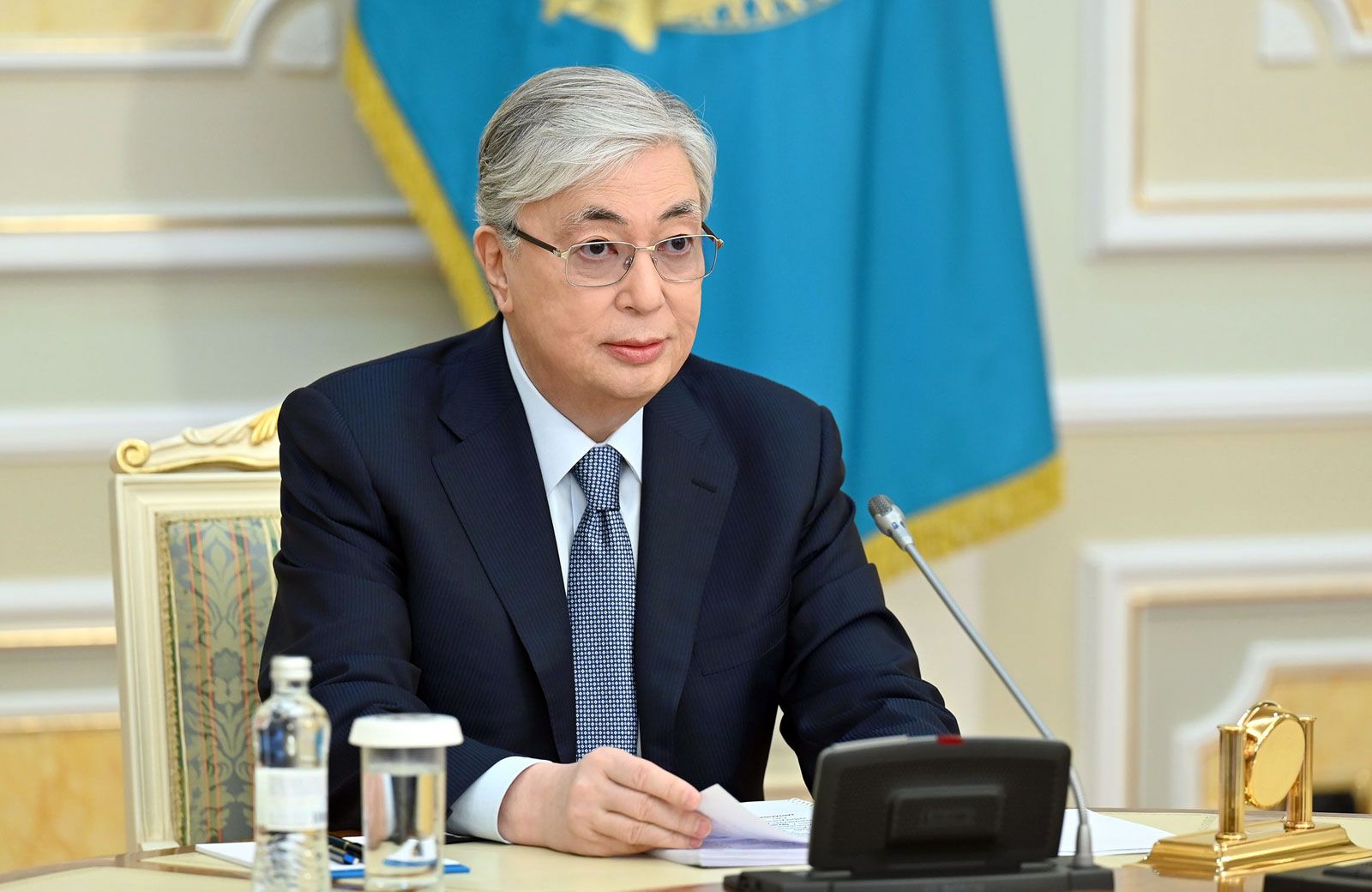
President Kassym-Jomart Tokayev has repeatedly highlighted that foreign policy mirrors domestic priorities.
“Dialogue, cooperation, understanding the importance of peace, and promoting unity in diversity are values that are organically woven into Kazakhstan’s foreign and domestic agenda,” the article concludes.
These principles form part of Kazakhstan’s national identity, defining the country’s image as a peace-oriented state and a bridge-builder between civilizations.
Conclusion: The Architecture of a Balanced Future
Kazakhstan’s evolution from a newly independent republic to an influential diplomatic actor underscores its strategic foresight and steady commitment to multilateralism. Its journey illustrates how balanced diplomacy, inclusivity, and cultural openness can shape not only a nation’s external image but also the contours of regional and global cooperation.