 Nazarbekov Ozodbek ✍️
Minister of Culture of Uzbekistan
The narrative of New Uzbekistan’s educational and cultural policy is no longer an internal reform story—it has become the beating heart of a regional renaissance. The piece above, rich with historical memory and political insight, can be synthesized into four intertwined themes: regional unity, cultural diplomacy, security evolution, and the educational horizon that now forms the backbone of the New Central Asia.
Below is a structured analytical breakdown.
1. A Region Reborn: Central Asia’s New Political Identity
The text highlights a profound shift: Central Asia is no longer a collection of post-Soviet states but a region emerging as a cohesive geopolitical force.
This transformation rests on:
- Mutual respect among leaders
- Coordinated diplomatic agendas
- A shared civilizational heritage
- A common vision for a peaceful and stable region
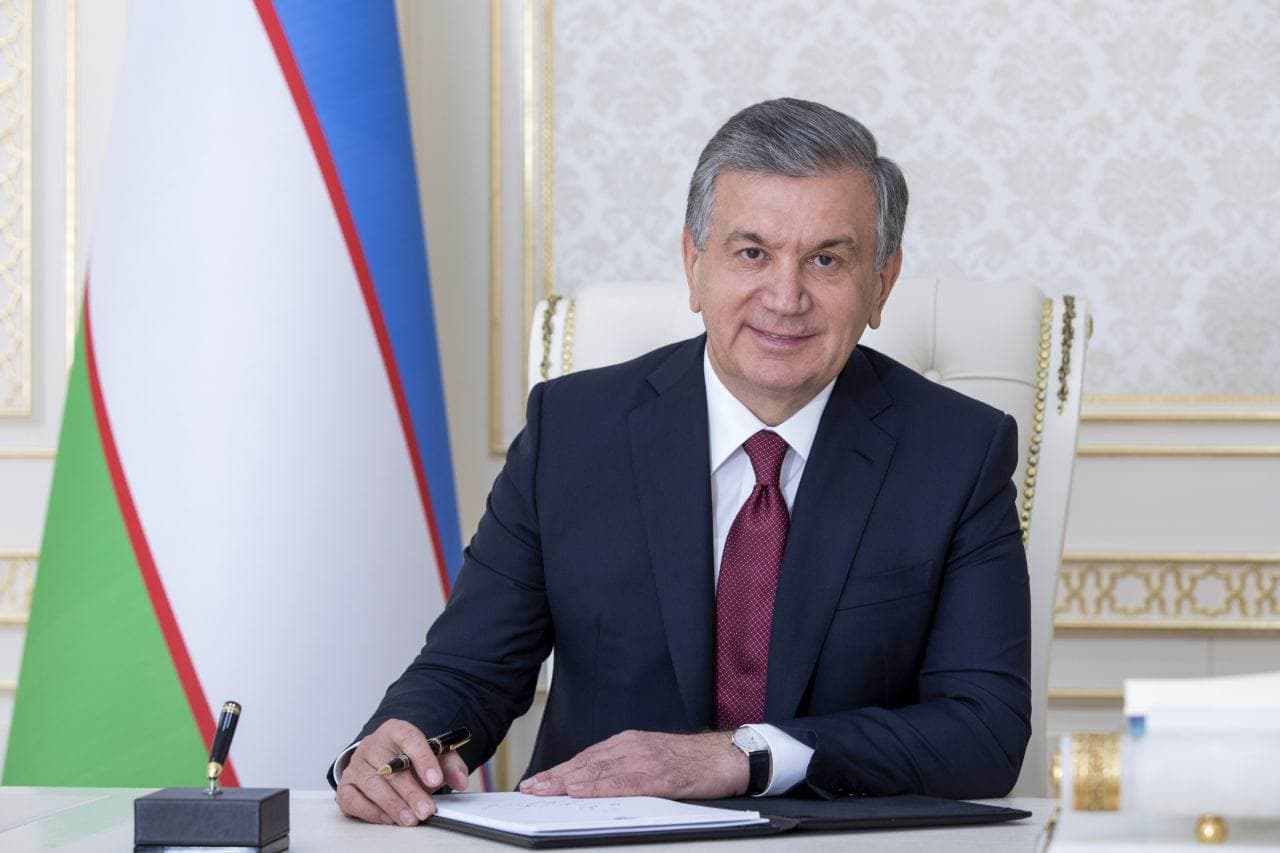
The narrative asserts that President Shavkat Mirziyoyev has been instrumental in reframing regional relations from rivalry to brotherhood, emphasizing “openness and magnanimity” as guiding principles.
This framing is essential: it positions Central Asia as a rare zone of cooperation in an era dominated by conflict, polarization, and resource competition.
2. Cultural Diplomacy as Statecraft
One of the most compelling arguments in the text is that culture has become Uzbekistan’s most powerful diplomatic tool.
Examples include:
- Presidents exchanging books as symbols of shared intellectual heritage.
- Artists, writers, and musicians serving as informal ambassadors.
- Concerts, festivals, and cultural forums becoming recurring elements of state visits.
- The use of shared icons—Navoi, Jami, Fuzuli, Makhtumkuli, Abai, Aitmatov—to frame a common civilizational narrative.
This is not accidental. It is a deliberate soft-power strategy that:
- Builds emotional resonance among peoples
- Reconstructs trust after decades of mistrust
- Creates unity based not on economics but on shared identity
In essence, Uzbekistan uses culture to “enter the hearts before entering the treaties.”
3. Security and Stability: The Architecture of a New Regional Order
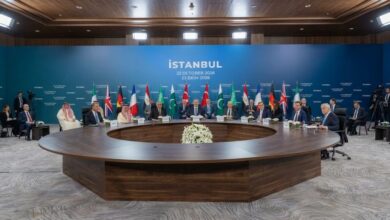
The seventh Consultative Meeting introduced a regional security and stability concept—a milestone that marks Central Asia’s transition from reactive diplomacy to proactive collective security thinking.
Key points include:
- Recognizing that peace is the foundation of regional development
- Creating mechanisms to identify and mitigate threats (2026–2028 catalog)
- Consolidating foreign-policy positions as a unified block
- Making Central Asia attractive for global partners by projecting stability
Here, New Uzbekistan positions itself not only as a beneficiary of regional peace, but as its architect.
4. Education and Enlightenment: The Soul of New Uzbekistan’s Regional Mission
The text culminates with the idea that education is the central pillar of Uzbekistan’s regional leadership.
Through the Islamic Civilization Center and proposals for:
- A Council of Elders
- An annual International Congress on spiritual heritage
- Expanded youth exchanges
- Joint restoration and digitization of cultural heritage
- Professional training and summer schools in culture and the arts
…Uzbekistan aims to revive the Jadidist tradition of enlightenment, modern learning, and humanistic values.
This is not just policy—it is a civilizational project.
The symbolism is powerful:
The New Central Asia will not rise through commerce alone, but through minds and hearts educated in the spirit of Navoi, Jami, Makhtumkuli, Abai, and Aitmatov.
Thus, New Uzbekistan’s educational policy is presented as the force opening new horizons—not only for Uzbekistan, but for the entire region.
5. New Uzbekistan’s Global Image: A Beacon of Peace and Humanism
Two reasons are given for why world powers are eager to engage with New Uzbekistan:
- It promotes peace and humanitarian values
- It has unified Central Asia and increased its collective economic weight
This argument reinforces the idea that the regional order Uzbekistan is shaping is attractive, predictable, and morally grounded—qualities rare in contemporary geopolitics.
Conclusion: A Region on the Threshold of Historical Awakening
This analysis concludes with a powerful sentiment:
Central Asia is undergoing a “historical awakening” driven by unity, education, and cultural revival.
In this vision, New Uzbekistan becomes both catalyst and custodian of a regional renaissance rooted in:
- Enlightenment
- Shared heritage
- Educational progress
- Peaceful diplomacy
- Human-centered development
The final message is generational:
Being worthy of this moment is the responsibility of every child of this land.
It is a call to youth, to educators, to intellectuals, to policymakers—and a declaration that education is not merely reform, but destiny.