 Chief editor writes
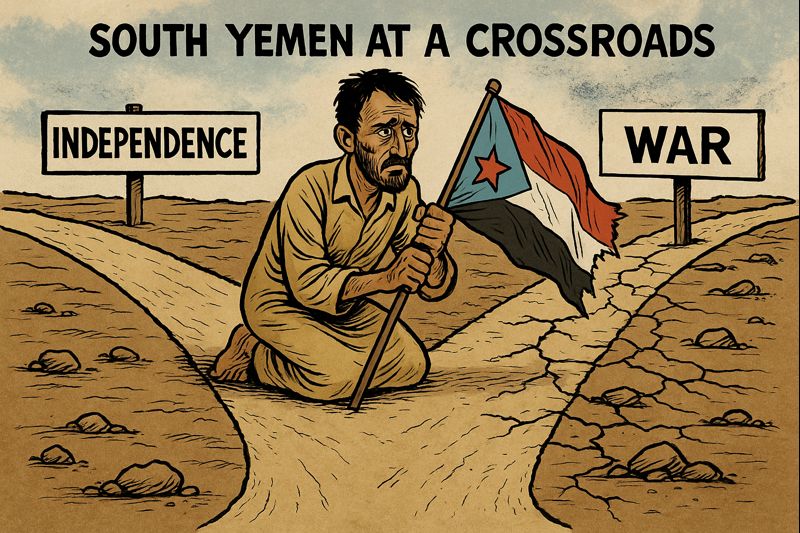
The takeover of South Yemen by UAE-backed forces marks a decisive shift in the country’s long war. What appears as a military advance is, in fact, a political rupture that threatens Yemen’s unity and redraws the balance of power among regional allies. With oil resources secured and rivals pushed aside, the question is no longer whether the South can claim independence, but who will allow it—and at what cost.
1. From Military Advance to De Facto Statehood
The seizure of all former South Yemeni governorates by the UAE-backed Southern Transitional Council (STC) is not a tactical maneuver but a structural rupture. By completing territorial control of the south for the first time since unification in 1990, the STC has crossed the invisible line between insurgent force and proto-state authority. Independence is no longer a slogan; it is an administratively prepared outcome.
2. Oil Before Flags: Hadramaut as the Real Prize
The capture of Hadramaut and PetroMasila reveals the core logic of the operation. Sovereignty in Yemen is not declared through speeches but financed through hydrocarbons. Control of oil infrastructure provides the STC with revenue, bargaining power, and international relevance. Any future “referendum” will merely legitimize a reality already secured by force and finance.
3. Saudi Arabia’s Strategic Defeat by Withdrawal
Riyadh’s retreat from Aden—its evacuation of the presidential palace and airport—signals more than a temporary setback. It marks the collapse of Saudi Arabia’s claim to steward Yemen’s unity. By losing control over its own proxies within the UN-recognized government, Saudi Arabia has effectively ceded the south, transforming itself from decision-maker to anxious observer.
4. The UAE Playbook: Stability Through Fragmentation
Abu Dhabi’s strategy follows a familiar pattern: empower local forces, secure ports and energy nodes, and minimize direct political exposure. The STC is not an accident of war but a cultivated instrument. Yet this model carries a dangerous paradox—promoting “stability” by dismantling states. Yemen risks becoming another laboratory of controlled disintegration rather than recovery.
5. Western Silence as Strategic Complicity
The absence of public Western reaction is not neutrality—it is consent by omission. While diplomats privately engage Zubaidi, their public commitment to Yemeni unity rings hollow. By clinging to an obsolete Saudi roadmap while facts on the ground mutate rapidly, Western powers are outsourcing outcomes to regional actors and forfeiting diplomatic credibility.
6. Unity in Name, Partition in Practice
Officially, Yemen remains one state. Practically, it is already divided into zones of influence: Houthi north, STC south, and fragile enclaves elsewhere. The STC’s possible offer of “protectorate” status to Marib and Taiz underscores a grim reality—fragmentation is now being administered, not resisted.
7. A Regional Fault Line in the Making
This shift threatens to strain UAE–Saudi relations and reconfigure Red Sea and Gulf of Aden geopolitics. For Riyadh, the nightmare scenario is not southern independence per se, but an ungoverned or rival-governed border—especially given the Houthis’ record of cross-border attacks. 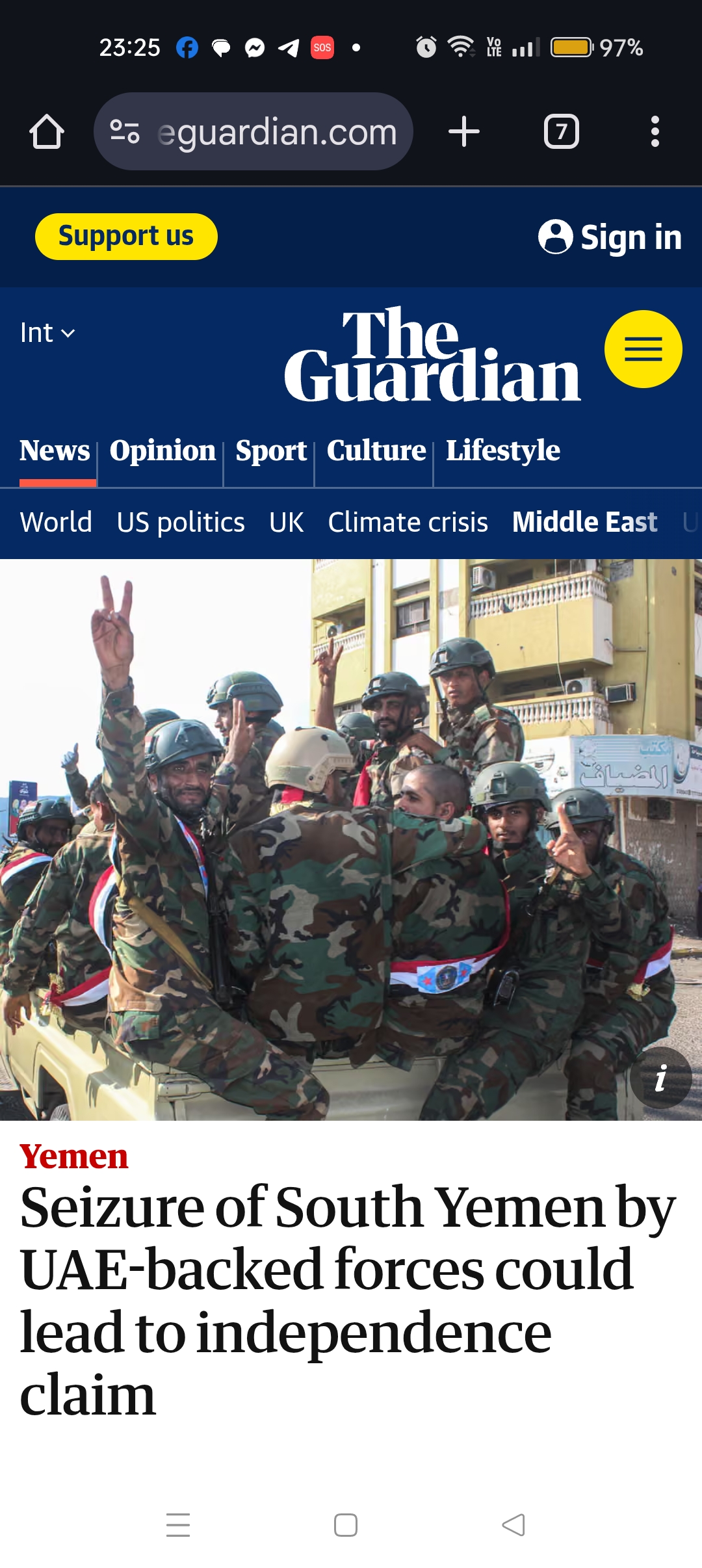
8. Yemen’s Second Death: First Unity, Then the State
What is unfolding is not a popular liberation alone, nor merely a proxy confrontation. It is the quiet burial of the Yemeni state as conceived in 1990. Yemen was first unified without resolving its fractures; it is now being divided without resolving its war. The result is not peace, but a new architecture of instability—engineered, enabled, and largely ignored.