Ashraf AboArafe
On the occasion of the 80th anniversary of the League of Arab States, which coincides with two decades since the modern articulation of the concept of Dialogue among Civilizations, the General Secretariat reaffirms its commitment to strengthening intercultural dialogue as a cornerstone for mutual understanding, peaceful coexistence, and respect among peoples—an urgent necessity in confronting shared challenges such as stereotypes, discrimination, racism, and hate speech.
In this spirit, the General Secretariat (Social Affairs Sector / Department of Culture and Dialogue of Civilizations) is organizing the Arab League Cultural Salon (December Session) under the theme:
“Dialogue of Civilizations after Two Decades: The Future of Intercultural Dialogue for Peaceful Coexistence.”
The salon will convene on Sunday, 21 December 2025, at the headquarters of the General Secretariat.
The event will cast light on the evolution of the dialogue-of-civilizations paradigm over the past twenty years—its achievements and the challenges it has faced amid political, economic, and technological transformations. It will also examine how international and regional organizations have contributed to fostering dialogue among peoples and cultures, while exploring innovative mechanisms to advance intercultural engagement and to sketch a renewed, future-facing vision aligned with the demands of our time.
The salon will be inaugurated by Counselor Youssef Badr Mashari, Director of the Department of Culture and Dialogue of Civilizations.
Key interventions will be delivered by H.E. Amr Moussa, former Secretary-General of the Arab League. The discussions will feature the participation of H.E. Essam Sharaf, former Prime Minister of the Arab Republic of Egypt, and H.E. Mohamed El-Orabi, former Minister of Foreign Affairs of Egypt.
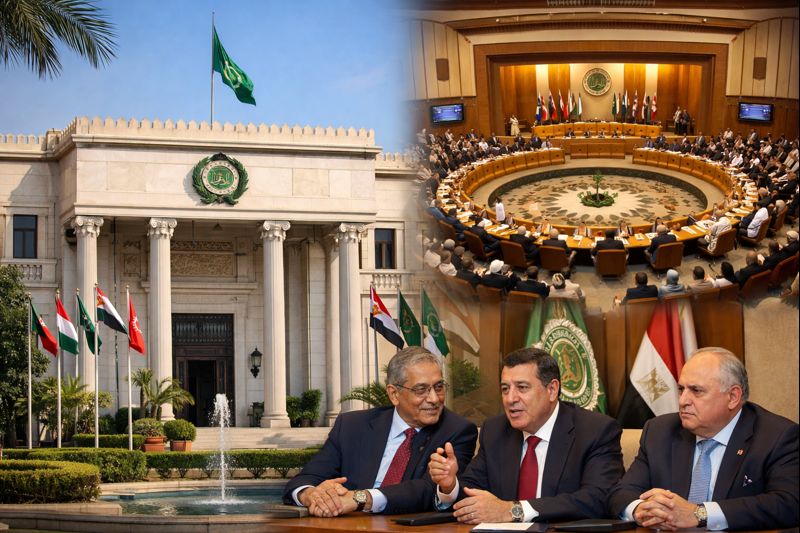
The salon will also bring together permanent representatives of Arab states to the Arab League, ambassadors of Arab countries accredited to the host state, representatives of Al-Azhar and Egyptian churches, alongside delegates from Arab member-state missions, academics, and subject-matter experts—collectively shaping a rich, plural conversation on coexistence in an age that urgently needs it.