Beijing – Ashraf AboArafe
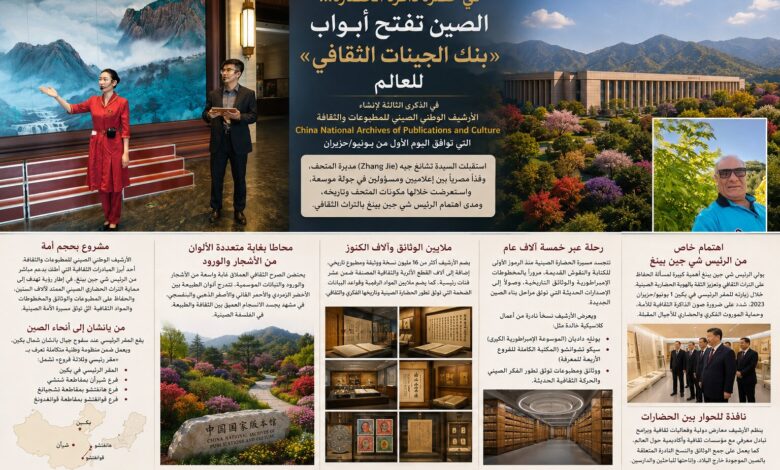
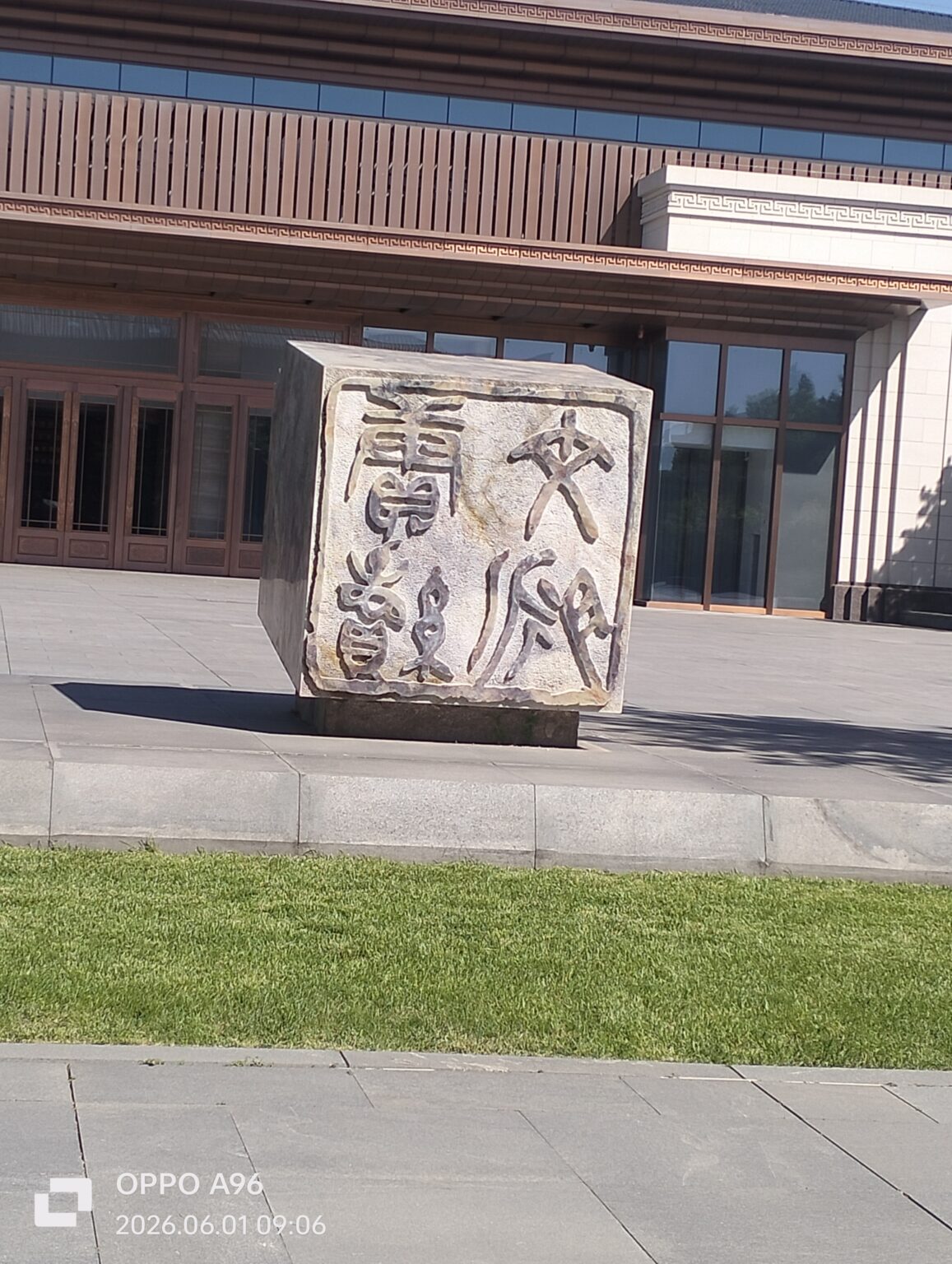
SURROUNDED by a breathtaking forest of multicolored trees, blooming flowers, and tranquil landscapes at the foot of the mountains northwest of Beijing, the China National Archives of Publications and Culture (CNAPC) stands not merely as a repository of books and documents, but as a living monument to the continuity of Chinese civilization.
On June 1, marking the third anniversary of the establishment of the institution, Ms. Zhang Jie, Director of the Archives, welcomed an Egyptian delegation composed of journalists and government officials for an extensive tour of one of China’s most ambitious cultural projects of the modern era.
The visit offered a rare opportunity to explore the vast collections, architectural symbolism, and national mission of an institution designed to preserve the intellectual and cultural memory of a civilization that spans more than five thousand years.
A National Project for Cultural Preservation
Officially inaugurated in 2023, the China National Archives of Publications and Culture was created as a strategic national undertaking dedicated to preserving China’s written heritage, historical publications, artistic works, and cultural records.
The institution was established under the direct guidance and strong support of Chinese President Xi Jinping, who has repeatedly emphasized the importance of safeguarding China’s cultural legacy and strengthening confidence in Chinese civilization.
President Xi has described cultural inheritance as the foundation of national rejuvenation, stressing that a nation must understand its history in order to shape its future. The Archives therefore serve as both a guardian of the past and a bridge toward the future.
Millions of Records, Thousands of Years of History
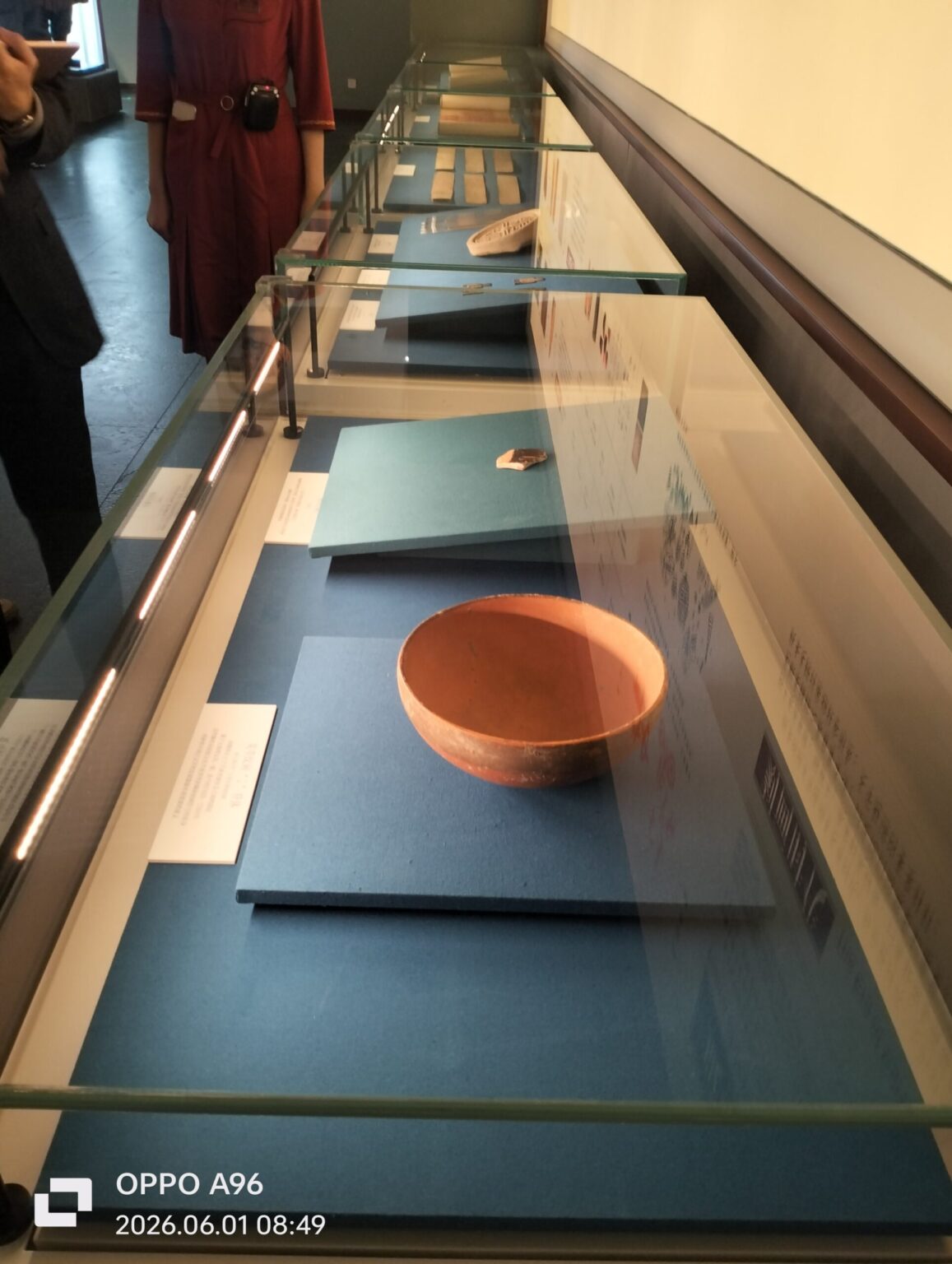
During the tour, Ms. Zhang Jie explained that the Archives house more than 16 million items, including rare books, ancient manuscripts, historical records, maps, artworks, newspapers, journals, audio-visual materials, and digital resources.
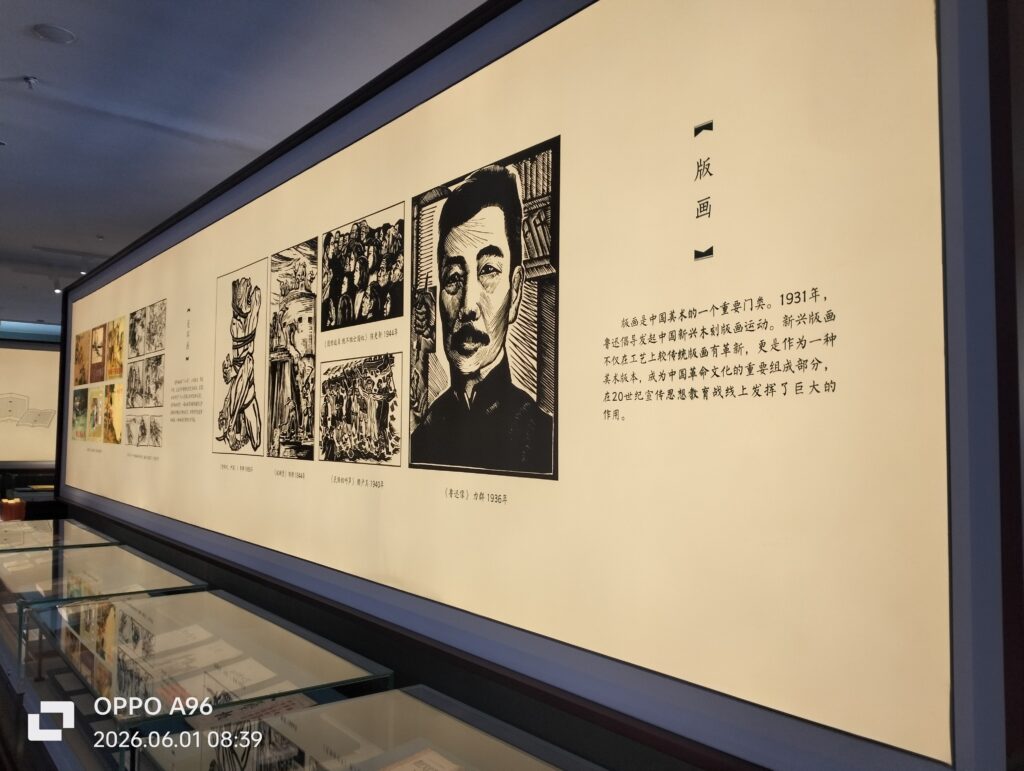
The collections trace the evolution of Chinese thought, literature, science, philosophy, governance, and artistic expression across successive dynasties and historical periods.
Among the most treasured exhibits are ancient publications, rare editions, revolutionary documents, and invaluable records that document China’s transformation from an ancient civilization into a modern global power.
Walking through the exhibition halls feels like traversing the timeline of Chinese civilization itself, where every manuscript and artifact tells a story of innovation, resilience, and cultural continuity.
Architecture Inspired by Civilization
The grandeur of the Archives extends beyond its collections.
The complex combines traditional Chinese aesthetics with modern architectural design, creating an environment that reflects harmony between heritage and innovation. Vast exhibition spaces, advanced preservation technologies, digital archives, and interactive displays allow visitors to engage with history in both traditional and contemporary ways.
The surrounding gardens and forests add another layer of symbolism. Encircled by vibrant trees and colorful flowers, the institution appears as a sanctuary where nature and culture coexist, reflecting the traditional Chinese belief in the unity of humanity and the natural world.
A Nationwide Cultural Network
The Beijing headquarters serves as the centerpiece of a broader national network that includes regional branches across China.
Together, these institutions form an integrated system dedicated to collecting, preserving, researching, and showcasing the nation’s cultural achievements. Through advanced conservation technologies and digitalization efforts, the Archives ensure that priceless cultural treasures remain accessible for future generations.
A Window for International Dialogue
Beyond preservation, the Archives also function as a platform for cultural exchange and international understanding.
By welcoming scholars, researchers, diplomats, journalists, and visitors from around the world, the institution contributes to global dialogue about civilization, heritage, and shared human values.
For the Egyptian delegation, the visit provided a deeper understanding of how China views culture not only as a legacy to be protected but also as a strategic resource for national development and international engagement.
Preserving the Past, Inspiring the Future
- As the China National Archives of Publications and Culture celebrates its third anniversary, it stands as a powerful symbol of China’s commitment to preserving its civilizational heritage in an era of rapid transformation.
More than a museum, more than an archive, and more than a cultural center, it is a treasury of collective memory—a place where ancient wisdom meets modern technology, where history speaks to the present, and where the story of China continues to unfold for generations yet to come.
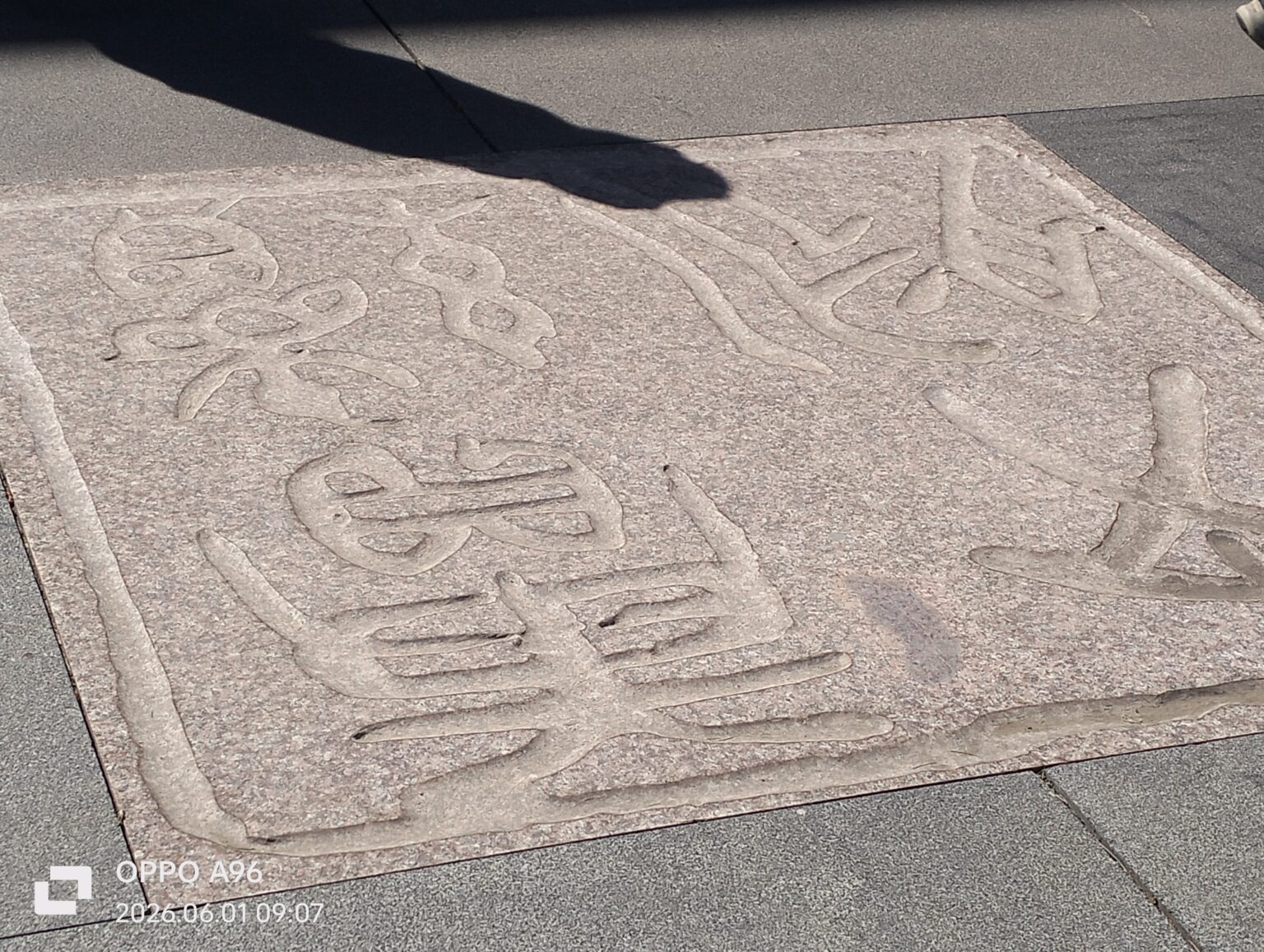
In the quiet halls of this remarkable institution, one discovers that civilizations endure not merely through monuments and achievements, but through their ability to preserve memory, transmit knowledge, and inspire the future.