Where the Future Learned to Speak… Reflections from the SHENZHEN Reform and Opening-up Exhibition Hall

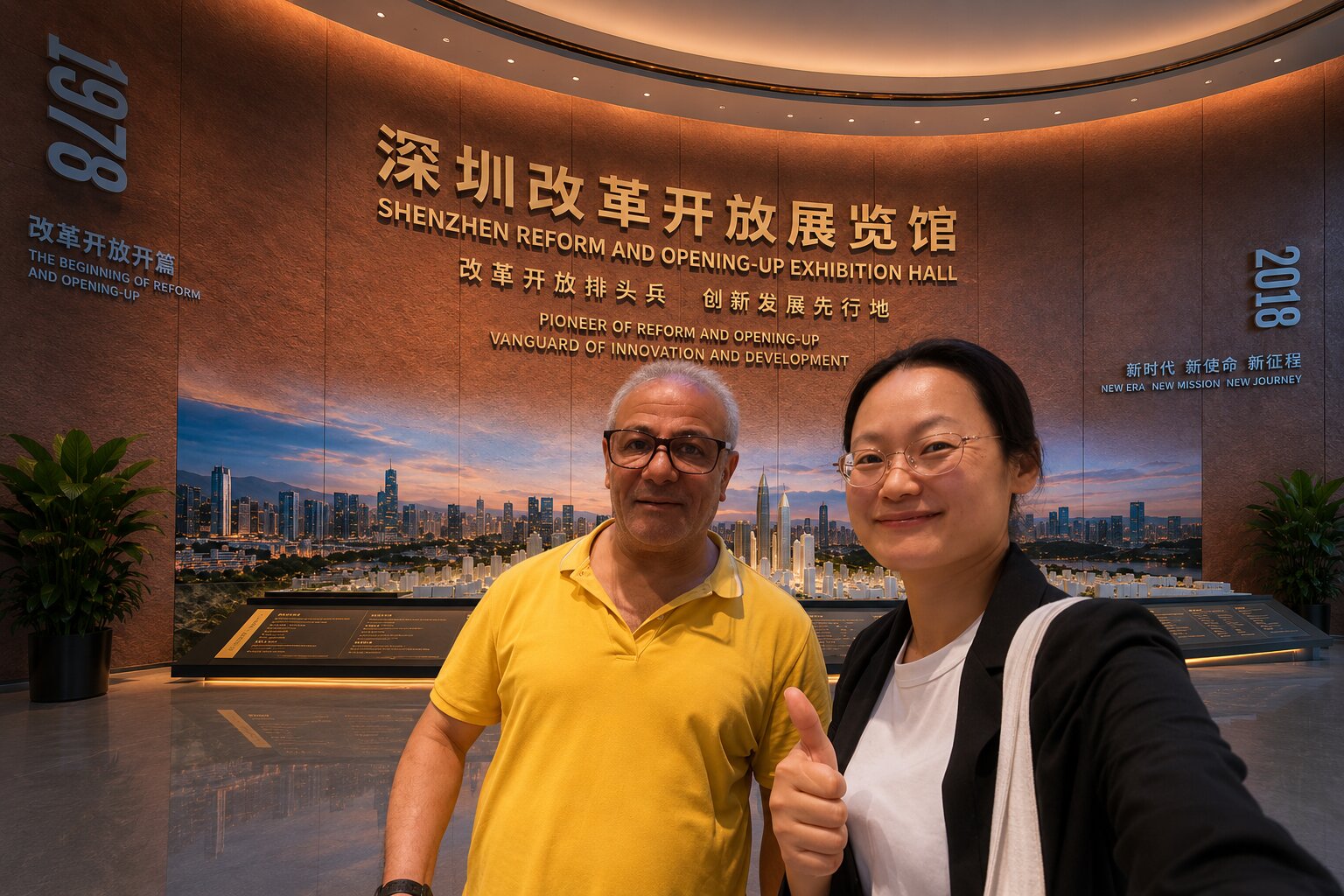
Shenzhen – Ashraf AboArafe highlights
THERE are places that display history, and there are places that allow you to walk through it. The Shenzhen Reform and Opening-up Exhibition Hall belongs to the latter.
As I moved through its galleries, I quickly realized that this was far more than a museum filled with photographs, documents, and historical records. It is a living narrative of one of the most remarkable transformations in modern history—a story of how a modest fishing town evolved into a global symbol of innovation, technology, and economic dynamism.
What makes the exhibition so compelling is that it does not merely celebrate achievements; it explains the journey behind them. Through carefully preserved archives, multimedia presentations, and historical milestones, visitors witness the gradual unfolding of China’s reform and opening-up policy and its profound impact on Shenzhen’s development.
Each section of the hall reveals a different chapter of this extraordinary story. Images of simple villages and undeveloped landscapes stand alongside scenes of today’s futuristic skyline, creating a powerful contrast that illustrates the speed and scale of change. The exhibition reminds visitors that Shenzhen’s success was not the result of chance, but of vision, determination, and a willingness to embrace new ideas.
More importantly, the hall highlights a fundamental lesson: great transformations begin with courage—the courage to reform, to innovate, and to look beyond existing limitations. The story of Shenzhen is ultimately the story of people who believed that the future could be built rather than awaited.
As I explored the exhibition, I found myself reflecting not only on the city’s achievements but also on the philosophy that made them possible. The displays emphasize that development is not a single event but a continuous process of learning, adaptation, and improvement. Progress is portrayed not as a destination but as an ongoing journey.
What impressed me most was the exhibition’s focus on human effort. Behind every economic indicator and every architectural landmark are countless individuals whose dedication, creativity, and perseverance contributed to Shenzhen’s rise. The hall serves as a tribute to those who transformed ambition into reality.
Leaving the exhibition, I carried with me more than historical knowledge. I left with a deeper appreciation for how vision, planning, and collective commitment can reshape the destiny of a city—and, ultimately, of a nation.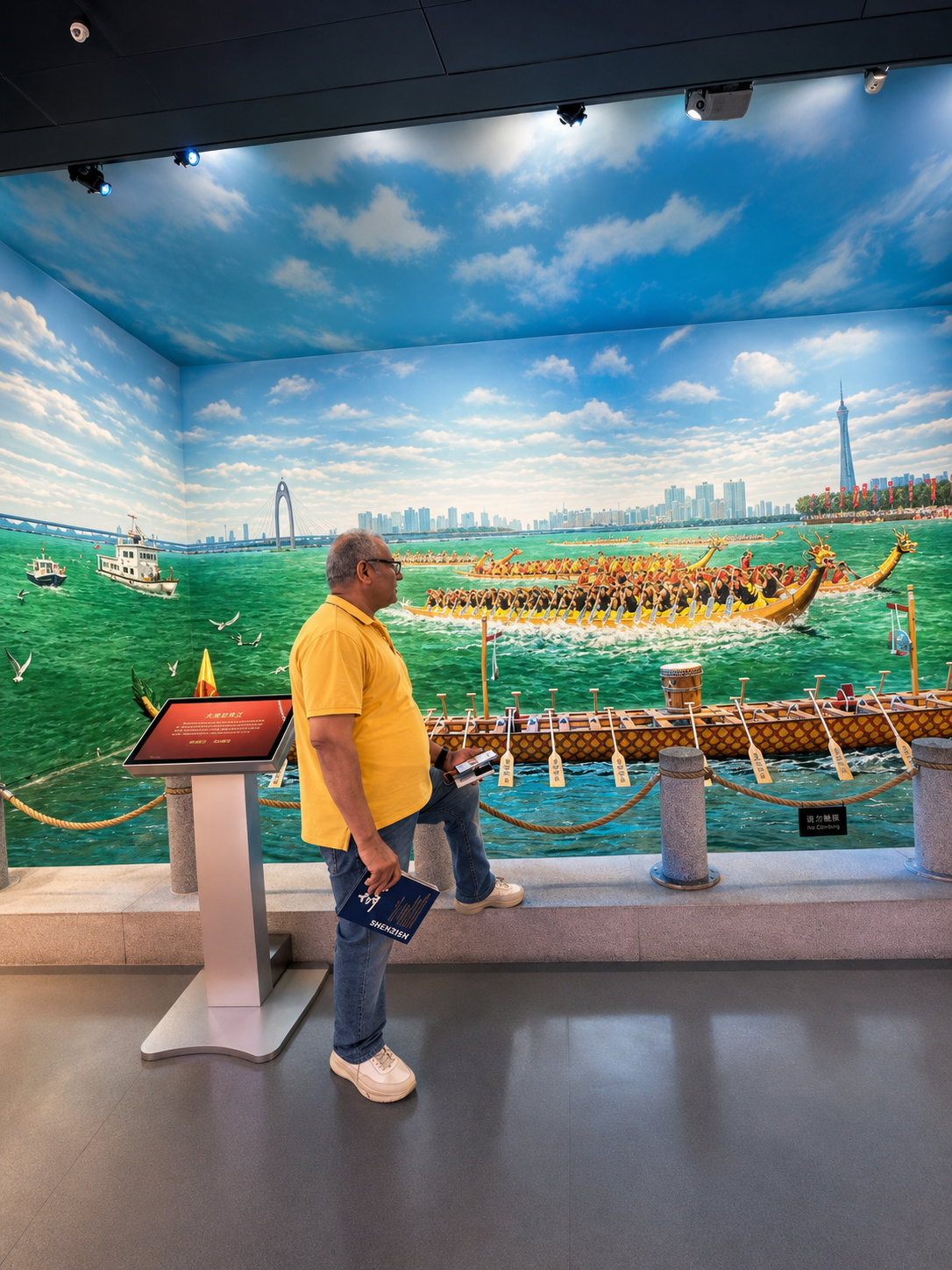
The Shenzhen Reform and Opening-up Exhibition Hall is not merely a record of the past. It is a reminder that the future is built by those who dare to imagine it, and then work tirelessly to make it real. In that sense, the exhibition is not only about Shenzhen; it is about the enduring power of transformation itself.