 Editor -in-chief writes
ACROSS four interconnected engagements at the Alamein Africa Forum on 2 October 2026, Egyptian Foreign Minister Dr. Badr Abdelatty presented a consistent vision of African development: political relationships must ultimately be translated into investment, enterprise, technology, jobs and tangible improvements in people’s lives.
The discussions placed economic diplomacy at the center of that transition. Abdelatty emphasized the need to move beyond political declarations and existing partnerships toward bankable projects, mobilized financing and practical mechanisms of implementation. His approach links governments, the private sector, development banks and international financial institutions in an effort to turn Africa’s priorities into projects capable of generating measurable developmental outcomes.
At the heart of this vision is the African Continental Free Trade Area, which Abdelatty described as a major framework for deeper economic integration. Connecting markets, expanding intra-African trade and developing regional value chains can, in this framework, help transform Africa from a collection of national markets into a more integrated economic space.
Yet the message from the forum went beyond governments and institutions. Entrepreneurship and the private sector were repeatedly identified as engines of investment, innovation and employment. Africa possesses substantial human, natural and economic resources, but the central challenge is converting these assets into productive opportunities. That requires a business environment in which African entrepreneurs and companies can scale across borders and participate more fully in continental value chains.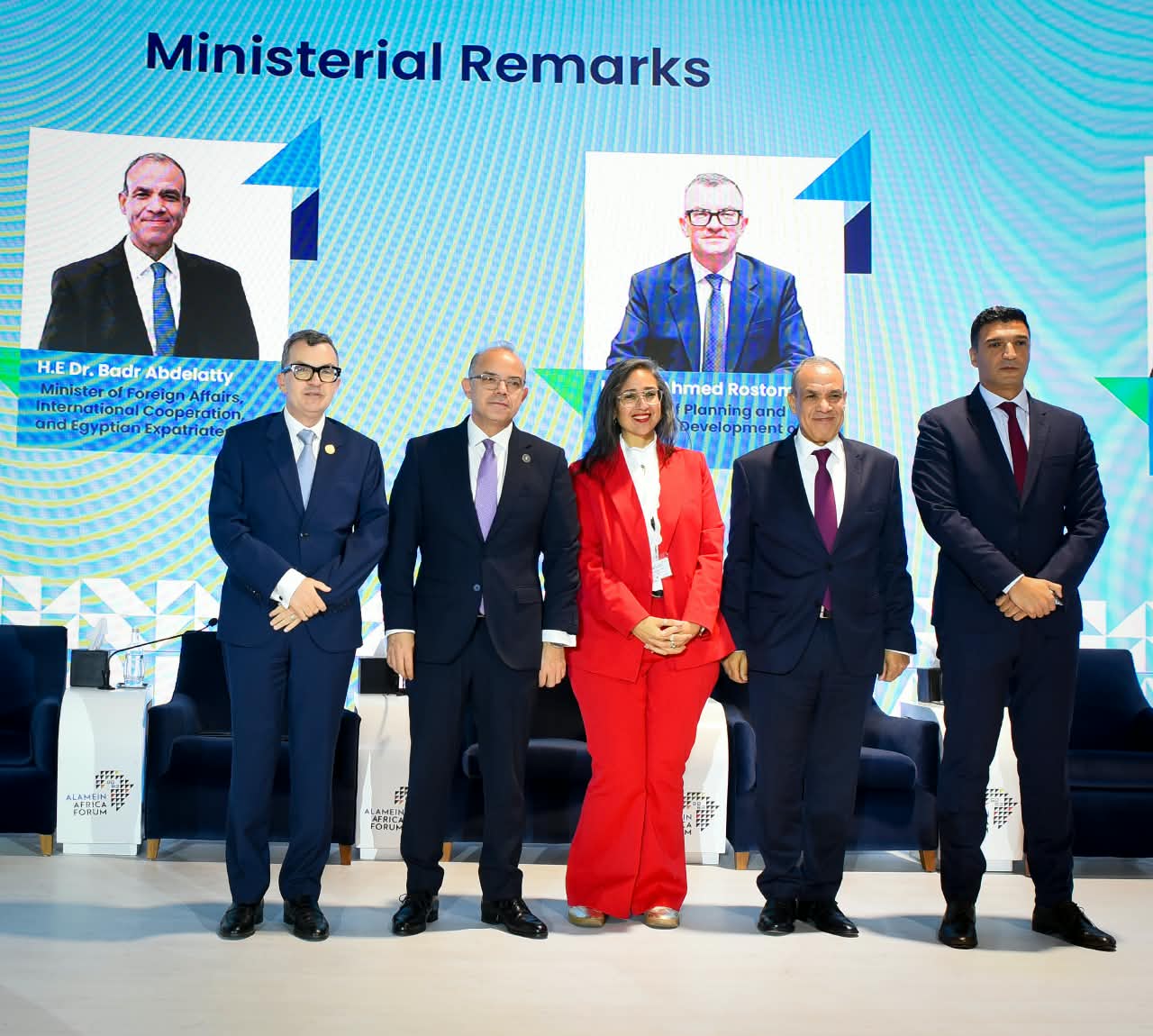
The same philosophy emerged in the discussion on economic resilience and recovery through entrepreneurship. The emphasis was not simply on identifying priorities or designing development frameworks, but on closing the distance between planning and implementation. In this context, peace, security and development were presented as closely connected dimensions of Africa’s future, with the Aswan Forum for Peace and Sustainable Development cited as part of the broader architecture supporting stability and development.
The most visible expression of Africa’s technological future came through the closing ceremony of the third African Presidential Youth Competition in Artificial Intelligence and Robotics, AYAIR 2026. Hosted by Egypt under the patronage of President Abdel Fattah El-Sisi, the competition brought the language of development into the laboratory of innovation.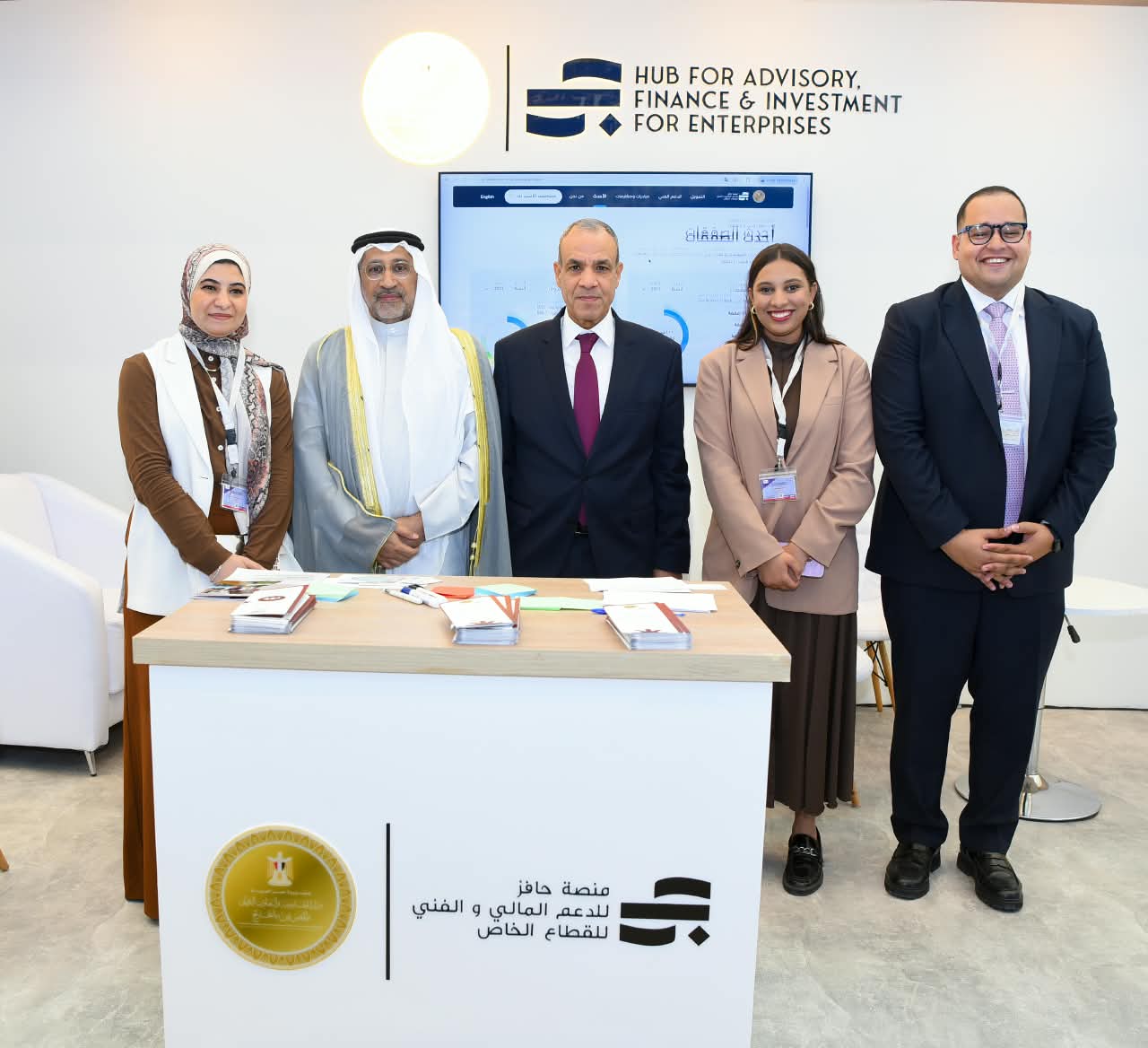
The recognition of young African innovators demonstrated how technology can move from abstraction to practical solutions. Among the winning projects was an Egyptian innovation by Sagi El-Assal, whose AI-based smart assistive device is designed to improve mobility and independence for wheelchair users. The competition offered a total of $120,000 in financial prizes, alongside mentoring, incubation and opportunities to connect promising projects with investors and international partners.
This is perhaps the most significant thread running through the forum: Africa’s development cannot depend solely on the movement of capital; it also depends on the movement of ideas. Artificial intelligence, robotics and digital technologies can become instruments for addressing distinctly African developmental challenges when young innovators are given the platforms and financing to transform ideas into scalable solutions.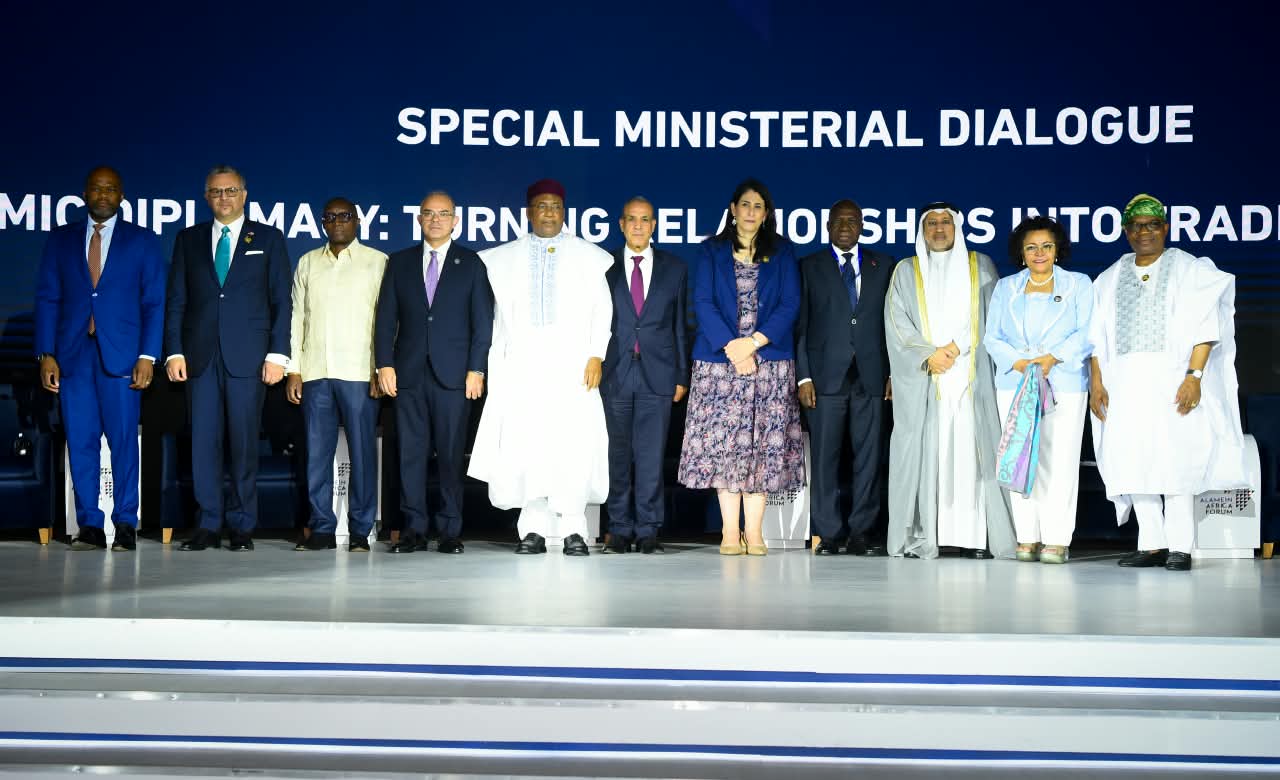
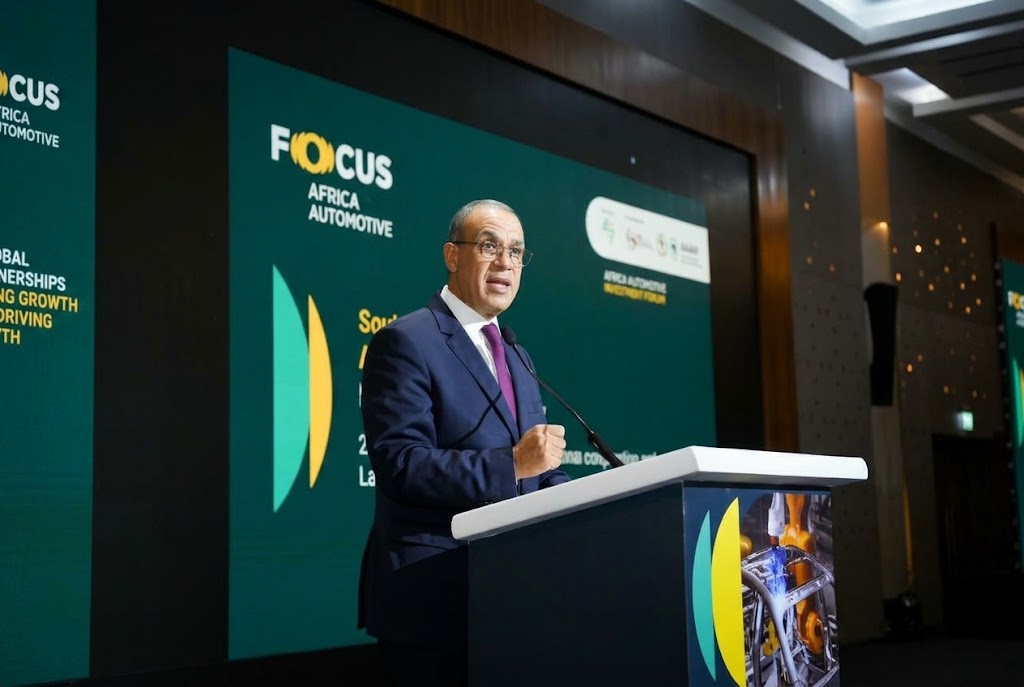
The launch of the Egypt–South Africa Business Council added another practical dimension. Abdelatty called for stronger cooperation in mining and mineral resources, manufacturing, energy and renewables, agriculture and food industries, pharmaceuticals, transport, logistics, ports and infrastructure. The two countries’ participation in BRICS, together with South Africa’s membership in Afreximbank, was highlighted as an additional avenue for financing and investment.
Particularly significant was the emphasis on connecting northern and southern Africa. Developing reciprocal logistics zones, regular shipping routes and greater use of the Suez Canal and the ports of Egypt and South Africa could contribute to a more interconnected continental trading system.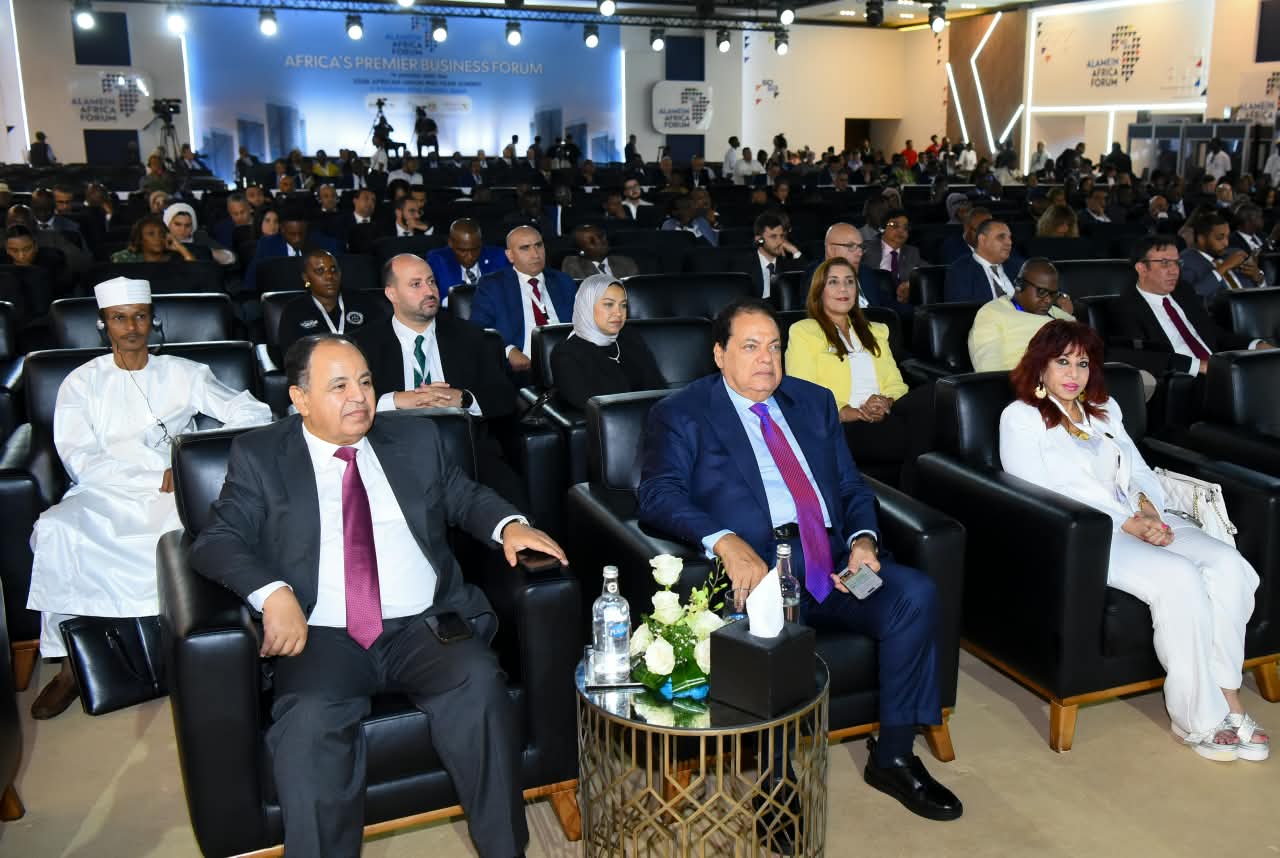
Taken together, the four engagements reveal a common proposition: Africa’s next chapter will be written not merely through diplomacy, but through the conversion of diplomacy into economic connectivity.
Political goodwill opens the door. Economic diplomacy provides the bridge. Entrepreneurship supplies the energy. Technology gives it speed. Finance gives it scale.
And behind them all stands the continent’s greatest resource—its people, particularly its young generation, whose ideas may ultimately determine whether Africa’s immense potential remains a promise or becomes a reality.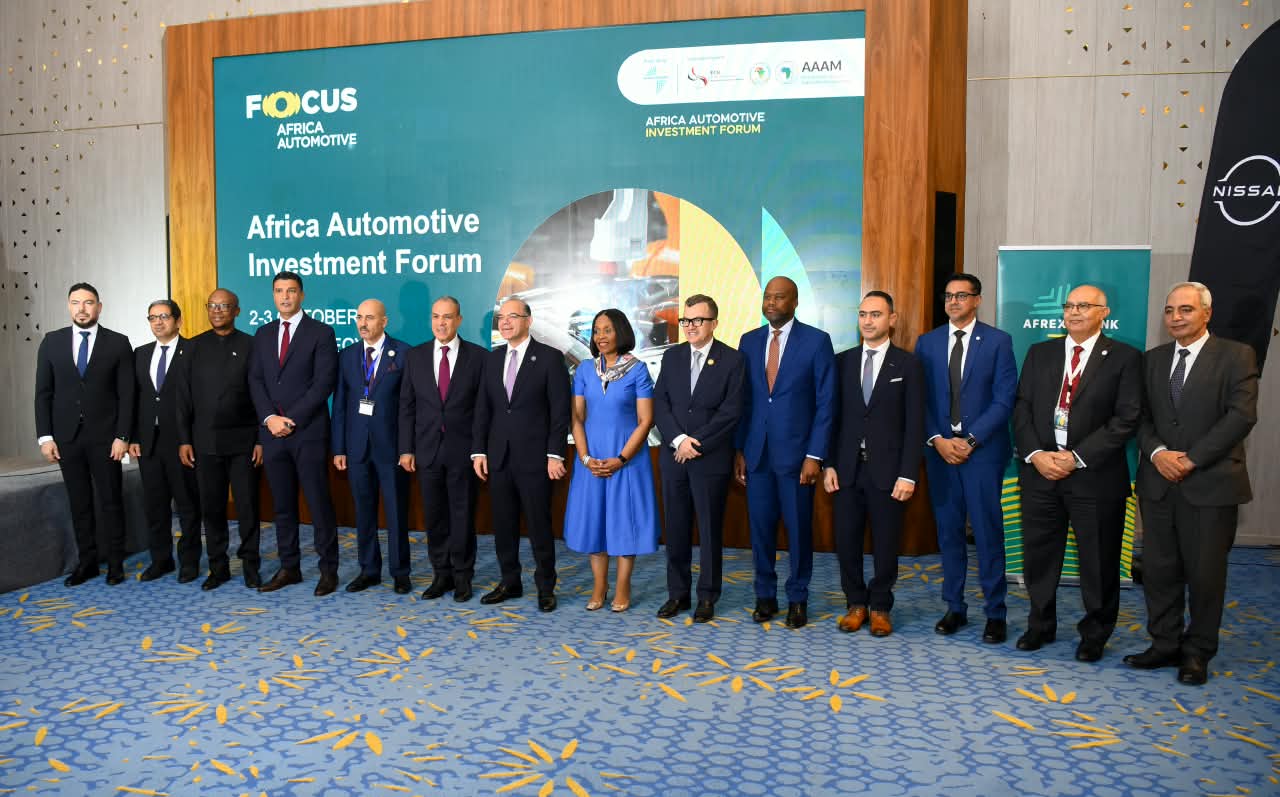
In that sense, the Alamein discussions were more than a series of ministerial meetings. They sketched a broader African aspiration: to move from partnerships to projects, from potential to production, and from political solidarity to shared prosperity.