Ashraf AboArafe
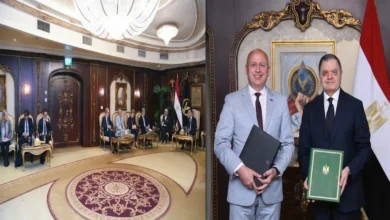
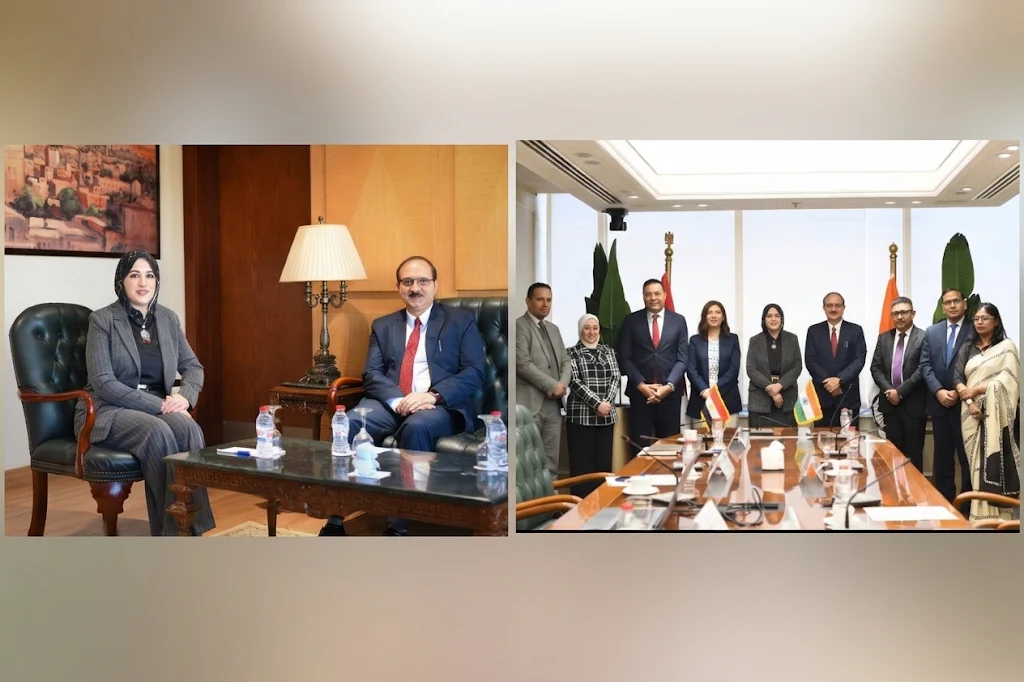
INDIA and Egypt have reaffirmed their commitment to strengthening bilateral cooperation in tourism, during a meeting of the Joint Working Group on Tourism Cooperation held in Cairo on November 11, 2026. The Indian delegation was led by Mr. Bhuvnesh Kumar, Deputy Minister of Tourism of India, while the Egyptian delegation was headed by Ms. Yomna El-Bahar, Deputy Minister of Tourism and Antiquities of Egypt.
The meeting, held within the framework of the Memorandum of Understanding on Tourism Cooperation, sought to review existing areas of collaboration, identify new opportunities, and discuss practical measures to stimulate tourist flows between the two countries.
Tourism represents an important dimension of the strategic partnership between India and Egypt, contributing to stronger people-to-people ties, deeper cultural understanding, and expanded economic opportunities.
As the cradles of two of the world’s oldest civilizations, India and Egypt possess an extraordinary historical and cultural heritage with immense potential for expanding mutual tourism. Both countries offer diverse attractions, including archaeological and heritage sites, cultural experiences, religious and spiritual destinations, desert landscapes, coastal resorts, and medical and wellness tourism.
From Ancient Heritage to Modern Tourism Partnerships
During the Joint Working Group meeting, both sides explored ways to increase tourist exchanges through improved air connectivity, simplified travel procedures, joint promotional activities, participation in tourism exhibitions and roadshows, and familiarization visits for tour operators, travel agents, and media representatives.
Discussions also covered the exchange of best practices in heritage preservation, sustainable and responsible tourism, desert and adventure tourism, hospitality skills development, and capacity building.
Particular attention was given to opportunities for cooperation in medical and wellness tourism, including yoga, Ayurveda, and traditional systems of medicine.
The discussions reflected a shared understanding that tourism cooperation should extend beyond conventional travel promotion to encompass cultural knowledge, professional expertise, sustainable practices, and innovative tourism experiences.
Easier Visas, Stronger Bridges Between Peoples
Both sides recognized that facilitating visa procedures is an important step toward expanding tourism exchanges.
They agreed to explore measures to simplify visa application procedures in both countries, making travel more convenient and accessible for Indian and Egyptian visitors alike.
Easier travel means more than administrative convenience; it creates new bridges between societies, encourages cultural encounters, and strengthens the bonds of friendship between the two peoples.
Egypt and the Growing Indian Outbound Tourism Market
India is among the world’s major and fastest-growing outbound tourism markets. More than 32 million Indian citizens travelled abroad in 2025, reflecting rising incomes, expanding international air connectivity, and growing enthusiasm for overseas travel.
With its world-famous historical landmarks, rich cultural heritage, Red Sea resorts, high-quality hospitality services, and diverse leisure experiences, Egypt is exceptionally positioned to attract a larger share of the expanding Indian outbound tourism market.
The two delegations explored opportunities for Egypt to capitalize on this growing market through targeted promotional campaigns, competitive tourism packages, improved air connectivity, and stronger partnerships between tour operators in both countries.
With direct flights connecting major cities, expanding tourism infrastructure, and growing interest in cultural and experiential travel, considerable opportunities exist to develop new tourism itineraries, diversify tourism products, and encourage closer engagement among tourism stakeholders.
Egypt’s ancient monuments and magnificent landscapes, combined with India’s expanding appetite for international travel, offer a promising foundation for a new chapter in bilateral tourism cooperation.
Business-to-Business Cooperation: Turning Opportunities into Results
The visiting Indian delegation also held a dedicated meeting with representatives of Egypt’s tourism industry.
The Indian Deputy Minister of Tourism met with approximately 50 tour operators, travel agencies, and other tourism-sector representatives, highlighting the considerable potential for expanding tourism exchanges between the two countries.
Discussions focused on strengthening business-to-business partnerships, developing attractive tourism packages, promoting lesser-known destinations, and increasing tourist flows in both directions.
These direct engagements are particularly important in translating government-level understandings into practical commercial partnerships and tangible opportunities for tourism businesses.
India and Egypt: A Shared Heritage, A Promising Tourism Future
The official meetings and business discussions demonstrated India’s and Egypt’s shared commitment to elevating tourism cooperation to broader horizons.
By drawing on their extraordinary civilizational heritage, diverse tourism assets, expanding air connectivity, and stronger institutional and business partnerships, the two countries can transform their tourism relationship into a dynamic pillar of their strategic partnership.
Ultimately, India and Egypt have much more to offer each other than historical monuments and beautiful destinations. They share the opportunity to bring two great civilizations closer, open new economic horizons, and create lasting connections between their peoples.
From the banks of the Nile to the heart of the Indian subcontinent, tourism can become a journey of friendship, a dialogue between civilizations, and a bridge toward a more prosperous shared future.