Ashraf AboArafe
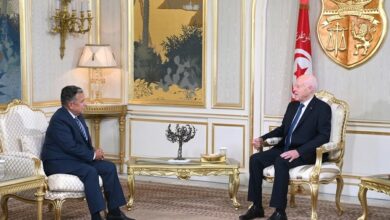
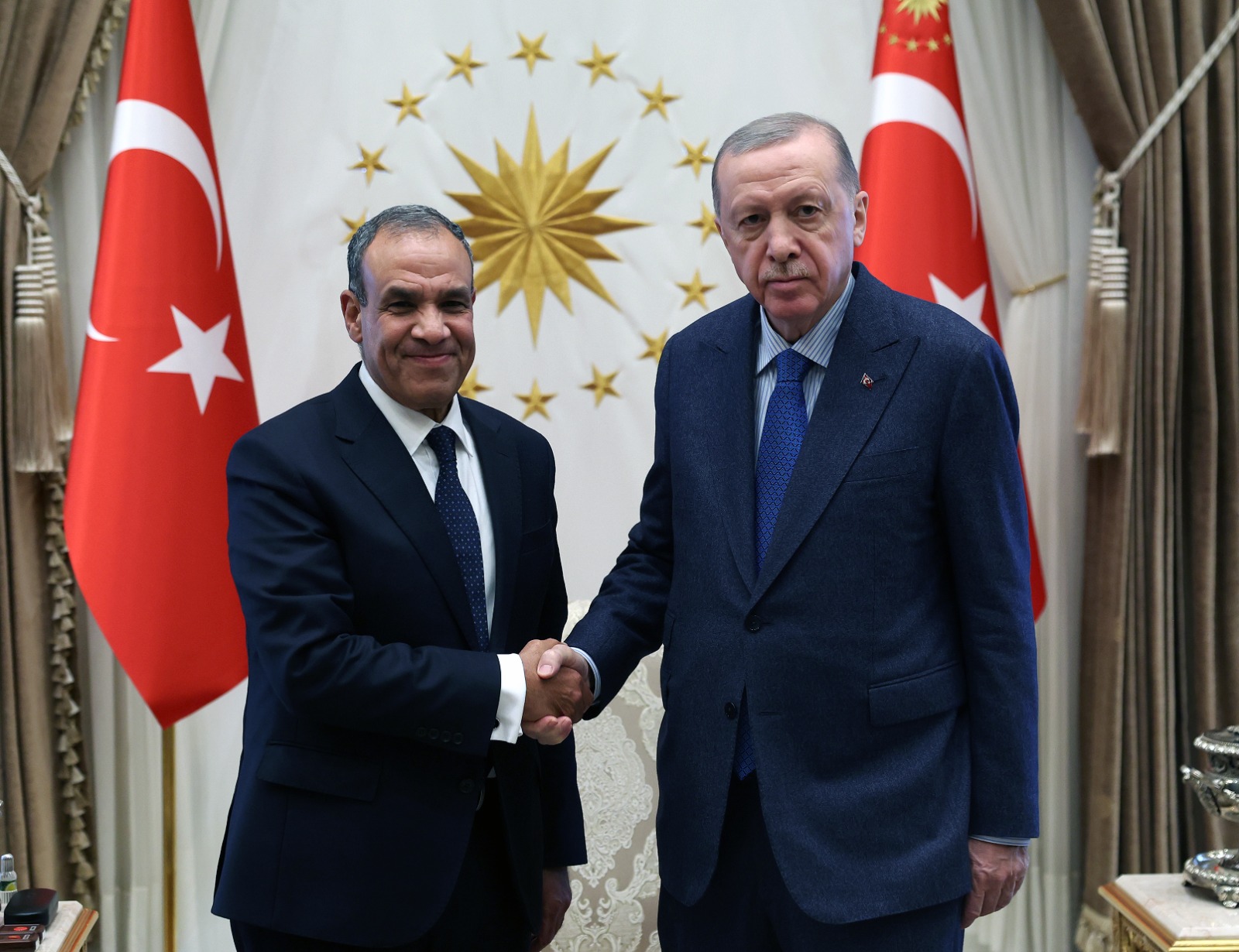
Under the directives of the President of the Republic, Dr. Badr Abdel Aati, Minister of Foreign Affairs (FA) and Immigration, met in Ankara on Tuesday, February 4, with Mr. Recep Tayyip Erdogan, President of the Republic of Turkey.
Ambassador Tamim Khilaf, the official spokesman for the Ministry of Foreign Affairs, stated that Minister Abdel Aati conveyed the greetings of His Excellency the President of the Republic to President Erdogan, where Minister Abdel Aati appreciated the escalating pace witnessed by bilateral relations between the two friendly countries, and the increasing frequency of high-level visits and constructive interaction between officials in the two countries during the recent period, in an embodiment of the common desire to raise the level of bilateral cooperation in the political, economic and investment fields.
The Minister of Foreign Affairs discussed the significant economic potential and promising opportunities enjoyed by both Egypt and Turkey, stressing the importance of investing in the huge trade and investment opportunities in both countries, and holding a joint business forum to achieve common interests and enhance economic cooperation between the two countries, stressing the aspiration to achieve the common goal of enhancing the volume of trade exchange between the two countries to reach $15 billion in the coming few years, in addition to continuing to enhance Turkish investments in Egypt.
The official spokesman added that the meeting witnessed an exchange of visions and assessments regarding a number of regional files, most notably the latest developments in the Gaza Strip, where Minister Abdel Aati reviewed the developments of Egypt’s efforts to fully implement the ceasefire agreement in Gaza in all its three stages and ensure the access of humanitarian aid to the Strip at an intensive and accelerated pace in a way that meets the needs of the Strip’s residents in light of the catastrophic humanitarian conditions it suffers from, and starting preparations to implement projects and programs for early recovery and reconstruction in a way that ensures the Palestinians remain on their land.
The meeting also discussed developments in Syria, where Minister Abdel Aati stressed the keenness to support the brotherly Syrian people and respect the sovereignty, unity and integrity of Syrian territories, and launch a comprehensive political process that does not exclude any party, and that Syria be a source of stability in the region. He also reviewed the efforts made by Egypt to restore security and stability in Sudan, Libya, Somalia and the Horn of Africa. For his part, President Erdogan asked to convey his sincere greetings to His Excellency the President of the Republic, stressing the great importance of Egyptian-Turkish cooperation, whether to enhance aspects of bilateral cooperation, or in terms of coordinating positions in connection with various regional issues of common interest.