✍️ Ashraf AboArafe
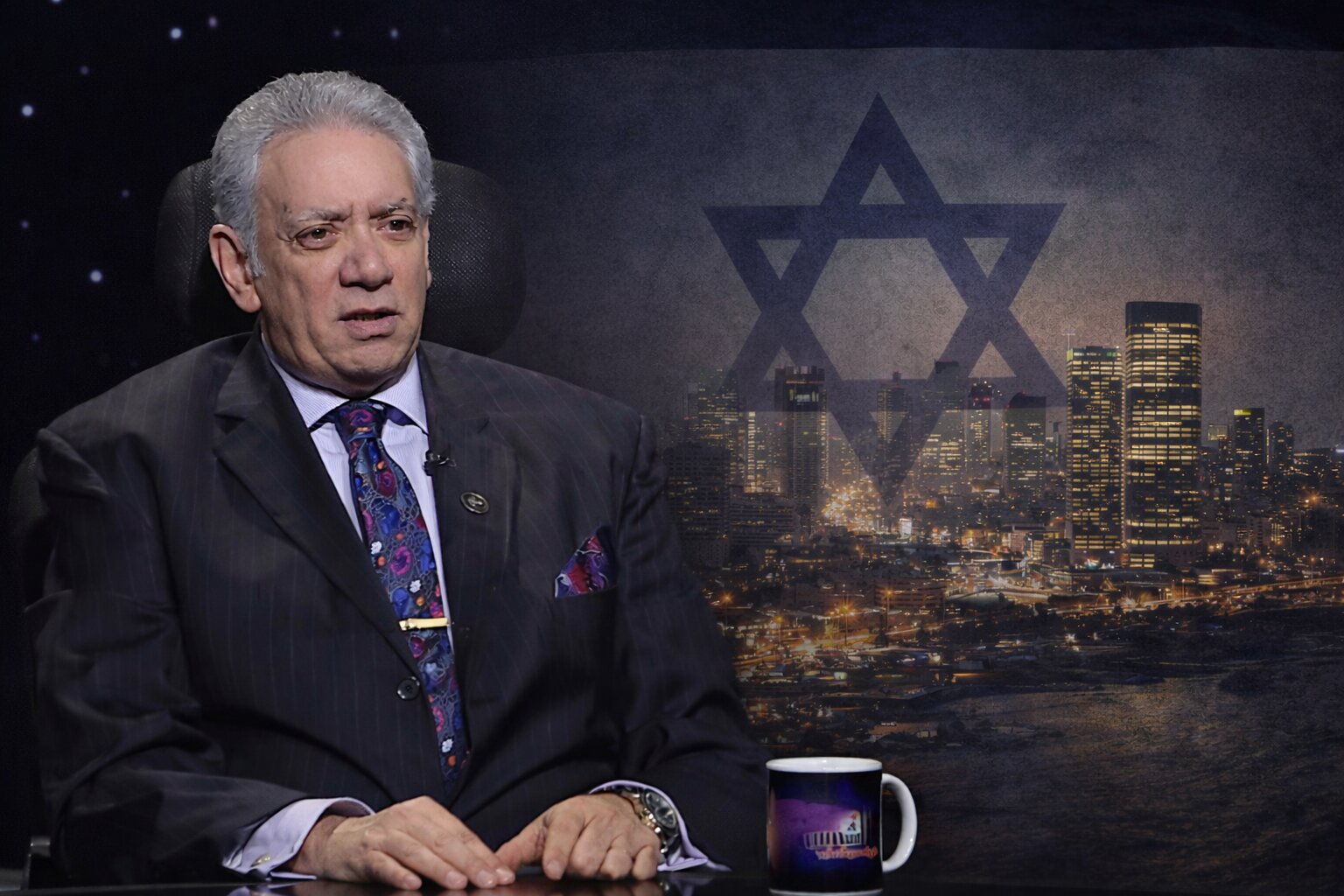
AMBASSADOR Refaat Al-Ansari, who served as the First Secretary of the Egyptian Embassy in Tel Aviv at the time, opened a rare window into the hidden dynamics of diplomatic life inside Israel.
In a remarkably candid interview, Al-Ansari revisited a period in which an Egyptian diplomat operated within a complex web of security surveillance, social relationships, and political sensitivity—where diplomacy often intersected with what could be described as a quiet war of information.
These remarks were made during his appearance on the television program “Wara Al-Shams” on Al-Shams TV.
Tel Aviv: A City of Watchful Eyes
Al-Ansari described his years in Tel Aviv as one of the most unusual experiences in his diplomatic career.
While the city may appear vibrant and cosmopolitan on the surface, it remains one of the most security-conscious environments in the region—particularly when it comes to foreign diplomats.
Living and working there meant being aware that observation and intelligence activity were simply part of daily reality.
Social Relations as a Source of Insight
One of the most intriguing aspects of Al-Ansari’s testimony was his description of the social relationships that developed during his time in Tel Aviv.
Social interaction—including relationships with women from Israeli society—was part of everyday diplomatic life, but it also offered a window into understanding Israeli society from within.
In politically sensitive environments, such relationships often become an important channel for informal knowledge, known in diplomatic and intelligence circles as human intelligence.
Diplomacy and the Information Battlefield
Al-Ansari’s account highlights an essential dimension of diplomacy in politically tense environments.
Diplomats are not merely representatives of their states; they operate in a complex space where politics, security, and information intersect.
In such settings, collecting and interpreting information becomes a natural extension of diplomatic work.
A Story Fit for the Cinema
The experience described by Ambassador Refaat Al-Ansari carries unmistakable elements of political drama: a diplomat working in a highly sensitive environment, constant surveillance, complex social relations, and an unspoken struggle over information.
Such elements make this experience not only a valuable political testimony but also a narrative that could easily inspire a compelling cinematic story.
After all, in the Middle East, the most fascinating stories are not always written on battlefields—often they unfold quietly in places that appear calm on the surface.