Ashraf AboArafe
IN a world often defined by geopolitics and shifting alliances, the most enduring partnerships are sometimes built not in summit halls, but in classrooms.
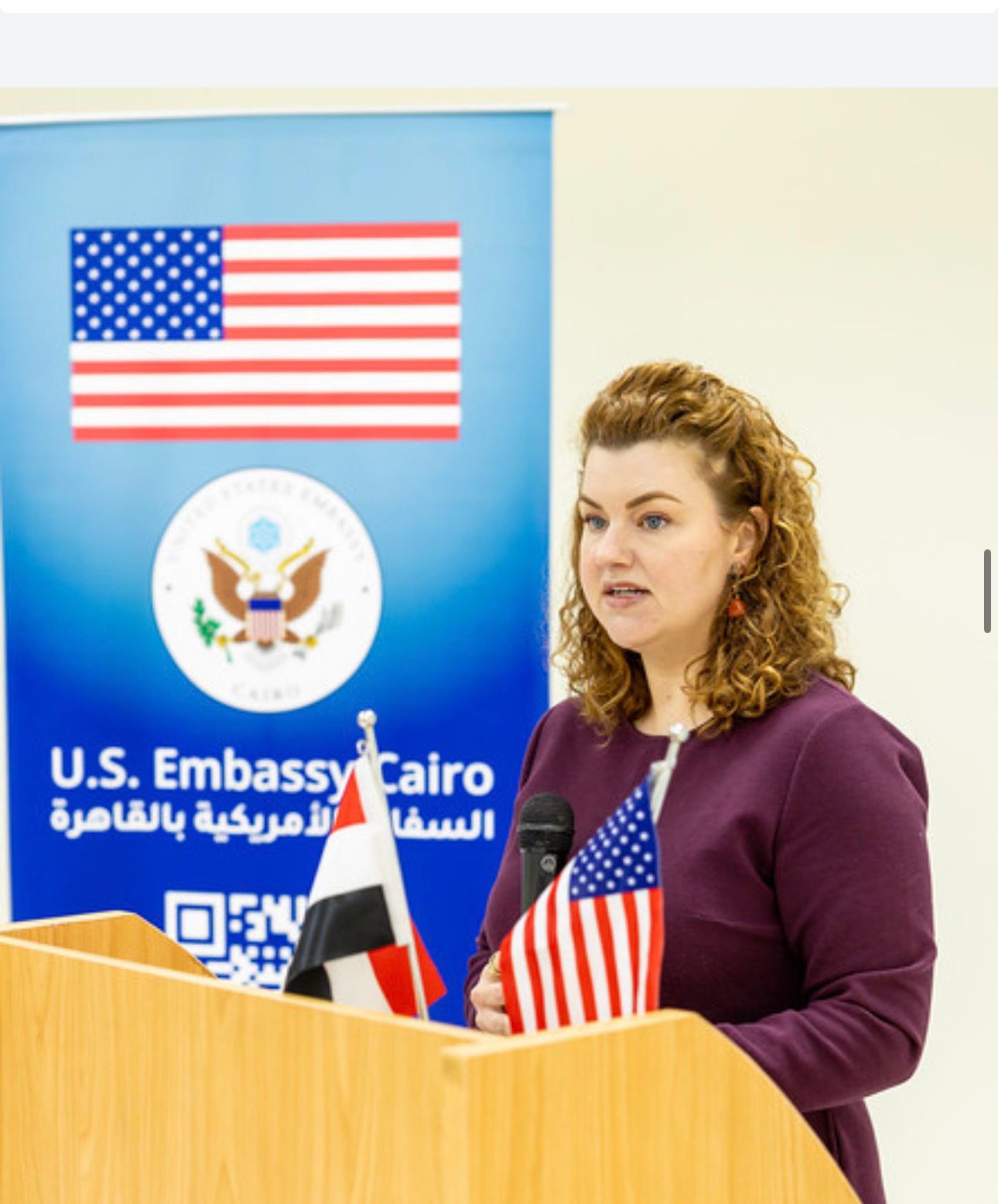
The February 13 launch of a college admissions training program in Cairo — a joint initiative between the U.S. Embassy and College Board — signals more than a technical workshop for 50 Egyptian high school counselors. It represents a strategic investment in human capital and a subtle yet powerful layer of U.S.–Egypt soft diplomacy.
Education as Strategic Infrastructure
By strengthening counselors’ understanding of international admissions systems and the SAT, the initiative does something profound: it professionalizes guidance at the gateway to opportunity. Counselors are not merely advisors; they are navigators of aspiration. Equipping them with global literacy effectively widens the horizon for Egyptian students seeking international higher education.
The return of the SAT to Egypt in June 2025 was itself a symbolic milestone. Standardized testing, often debated domestically in the United States, functions internationally as an academic passport. Its reinstatement restores a structured pathway for Egyptian students to access U.S. universities — institutions long associated with innovation, research leadership, and global mobility.
Soft Power, Reimagined
Public diplomacy in the 21st century increasingly revolves around access — access to knowledge, to networks, to credentials recognized across borders. By supporting digital SAT expansion and collaborating with Egypt’s Ministry of Education and Technical Education, the U.S. Embassy reinforces education as a shared platform rather than a one-sided export.
This initiative also reflects how American educational institutions extend their global footprint. With Egypt’s university-aged population exceeding 10 million, the partnership is not only educational — it is demographic and economic. It positions U.S.-affiliated programs within one of the Middle East and Africa’s largest youth markets, strengthening long-term academic and institutional ties.
A Two-Way Investment
The training does not solely benefit Egyptian students. It reinforces American universities’ access to a diverse and academically prepared applicant pool. It deepens institutional familiarity. It strengthens trust in American educational standards.
In this sense, the program operates at three levels simultaneously:
- Individual – empowering students through informed counseling.
- Institutional – aligning systems and expanding academic pathways.
- Diplomatic – embedding education within the architecture of bilateral relations.
The Quiet Power of Counselors
If ambassadors negotiate policy, counselors cultivate possibility. They translate complex admission systems into life-changing decisions. By investing in their expertise, the U.S.–Egypt partnership shifts from symbolic cooperation to structural engagement.
This press release may read procedural, but beneath it lies a larger narrative:
Education remains one of the most stable currencies of influence — and one of the most durable bridges between nations.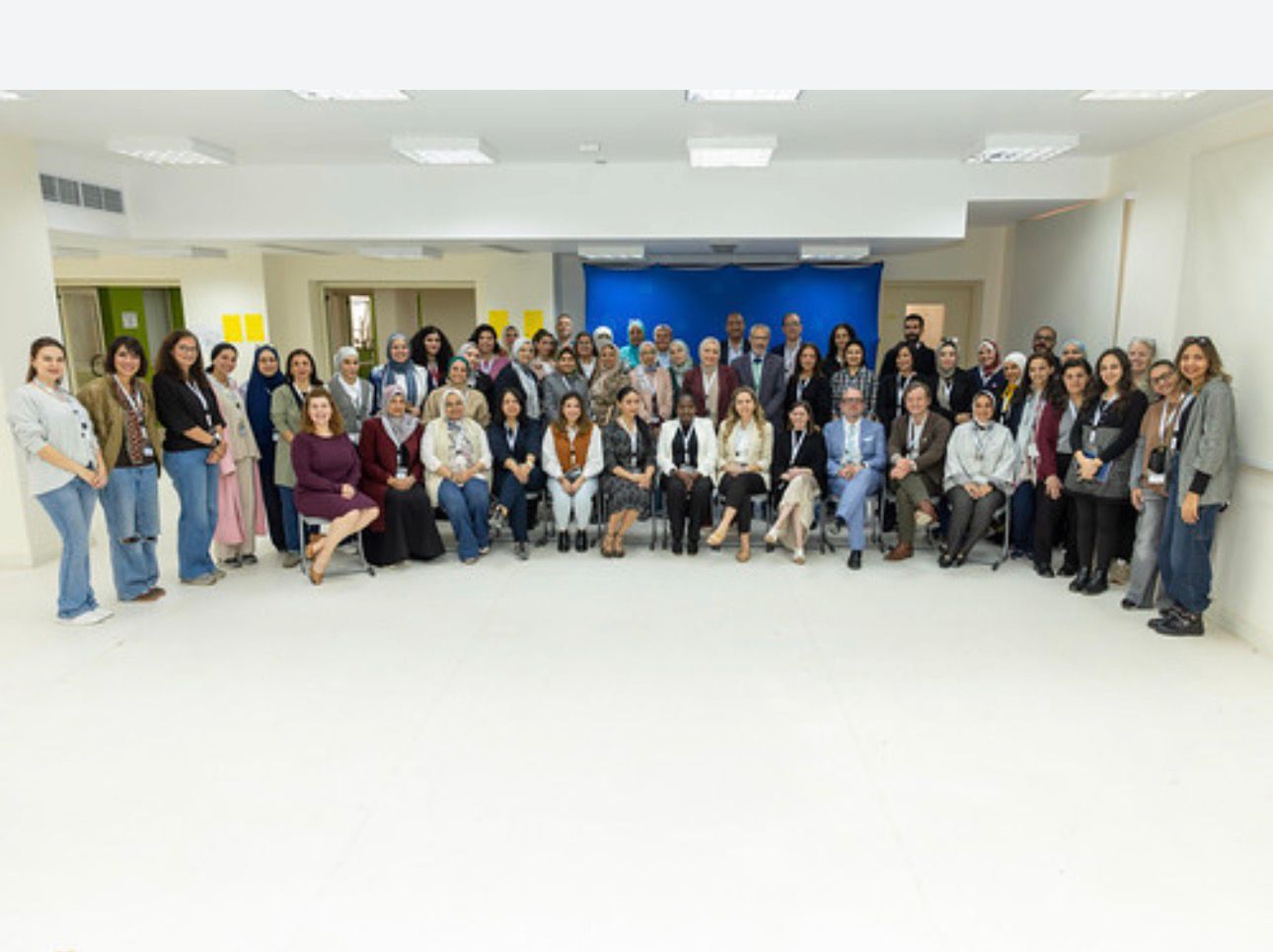
In the language of diplomacy, this initiative is modest.
In the language of the future, it is foundational.