Dr. Ahmed Mostafa ✍️
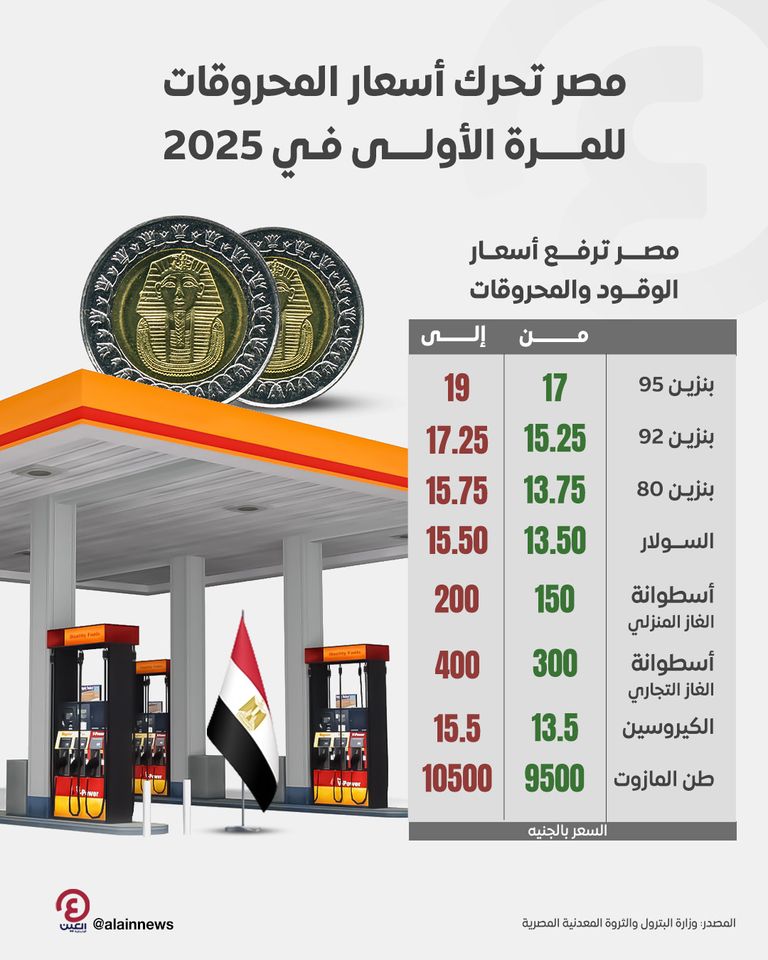
The Egyptian government’s decision to raise fuel rates, following World Bank and IMF recommendations, has led to significant public debate. With a poverty rate around 40%, the effects of this policy are substantial. Supporters believe these increases are essential for economic stability and reducing the fiscal deficit, while critics argue that they harm the vulnerable population, worsening economic inequalities. This discussion is not just theoretical; it impacts many Egyptians struggling financially.
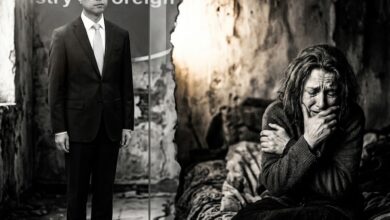
The fuel rate increase is part of broader economic reforms, aiming to cut inefficient subsidies that benefit the wealthy. The government could use savings from reduced subsidies for targeted social programs. However, many doubt that promised benefits will actually occur, raising concerns about the immediate, severe impacts on daily life. A critical worry is that rising fuel costs will lead to inflation, further harming low-income families.
Additionally, small and medium-sized enterprises (SMEs), crucial to Egypt’s economy, may struggle with increased costs, potentially leading to layoffs and higher unemployment. Public trust in the government is also a concern, as many feel the decision lacked transparency. To rebuild trust, the government needs clearer communication about these changes and their intended benefits.
Does Egypt need to yield to WB and IMF recommendations any more concerning increasing the fuel prices in 2025?
In the complex world of economic governance, the World Bank (WB) and the International Monetary Fund (IMF) have significant influence on the fiscal policies of developing countries, like Egypt. They often suggest structural reforms, fiscal discipline, and market liberalization, which can cause short-term economic pain. In Egypt, these institutions recommend raising fuel prices to help reduce fiscal deficits and align domestic prices with international rates. However, there are concerns about whether Egypt should follow these recommendations in 2025 and how this might impact inflation and the broader economy.
The reasoning behind the WB and IMF’s advice is based on supply and demand and fiscal sustainability. Increasing fuel prices could lessen the government’s subsidy burden, which was about 6% of Egypt’s GDP in 2021, and is not sustainable long-term. Supporters believe removing subsidies could fund essential social programs and infrastructure, leading to a more efficient economy. Critics warn that such a policy could severely affect the vulnerable population.
Increasing fuel prices could significantly impact inflation, as energy costs play a crucial role. A fuel price rise may increase transportation costs, resulting in higher prices for goods and services. Studies suggest that a 10% fuel price increase might raise overall inflation by 1. 5% to 2%. This could diminish the purchasing power of low-income consumers and worsen social and economic inequalities.
Additionally, higher fuel prices could raise commodity costs, particularly in a country like Egypt that depends on imports. Food prices might increase, contributing to food insecurity and potential social unrest. To alleviate the negative effects on vulnerable groups, the government would need to implement strong social safety nets, requiring substantial financial resources.
Despite the challenges, aligning fuel prices with market rates has long-term benefits. Reducing subsidies could allow more investment in healthcare, education, and infrastructure, promoting sustainable economic growth. Moreover, higher fuel prices could encourage efficient energy use and renewable energy investments, supporting global environmental goals. Nonetheless, the government must ensure a gradual transition and implement supportive measures for affected industries and households to minimize disruptions.
Does Egypt suffer from the crisis of the credit, economic and financial advisors?
Egypt is facing serious economic and financial problems, made worse by advice from Western financial advisors, including those from the World Bank (WB) and International Monetary Fund (IMF). These advisors often recommend policies focused on austerity and market liberalization, even though such strategies have caused economic troubles and social unrest in the West. This raises the question of why the Egyptian government prefers these Western recommendations when there are other economists who suggest better-suited options for Egypt.
One reason for this dependence on Western advisors is the credibility and international support their recommendations provide. Endorsements from the WB and IMF can lead to important international funding, but implementing their austerity measures, such as cutting subsidies, can seriously harm the Egyptian population, many of whom already struggle financially. For instance, removing fuel subsidies has increased living costs and worsened poverty.
Additionally, the economic theories from Western advisors often reflect a neoliberal mindset that prioritizes market efficiency without considering Egypt’s unique context. In contrast, other economists (Independent, Nationalist, Neutral and Leftist) suggest policies focused on social welfare and fair resource distribution, aiming for inclusive growth.
The late President Anwar Sadat’s statement that “99% of the cards are in America’s hands” was sadly false.
The historical relationship between Egypt and the West, particularly with the U. S., has also shaped the Egyptian government’s choices. Financial and political support from the West creates a dependency that can discourage exploring more progressive policies. Lastly, past experiences with Western economic policies in Egypt have not delivered positive results, leading to increased inequality and social challenges. This history points to a need for Egypt to consider alternative economic strategies that better serve its citizens.
Egypt has strategic alternatives to the IMF and WB’s recommendations to increase fuel prices
Egypt is at a crucial point in its economic development, where it is starting to question its traditional reliance on the International Monetary Fund (IMF) and World Bank (WB). These institutions have often recommended liberalizing fuel prices, which has caused public unrest due to sudden and steep price increases. However, Egypt is finding new options for support, especially with its upcoming membership in the BRICS+ group in 2024. This membership will diversify its sources of financial support and provide access to better loans compared to those from Western entities.
Since 2014, Egypt has built strategic partnerships with China and Russia, which have significantly influenced its economy. These relationships have led to increased trade and investment, helping Egypt secure funding and technology for major projects like the New Administrative Capital and Suez Canal expansion. Similarly, Russia’s involvement in Egypt’s energy sector, particularly with the El Dabaa nuclear power plant, aims to improve energy security and reduce reliance on imported fuels. These partnerships give Egypt important economic independence amid shifting global dynamics.
Egypt is also developing ties with the Eurasian Economic Union (EAEU), which includes oil-rich countries e.g. Russia & Kazakhstan. This alliance could enhance Egypt’s energy security by providing stable and affordable energy sources. Engaging with the EAEU helps Egypt manage energy policies without facing sudden economic shocks from fluctuating prices.
Additionally, Egypt is exploring fuel supply options from Iran and Venezuela, which would allow transactions in Egyptian Pounds instead of foreign currencies, reducing foreign exchange needs. This arrangement benefits both Egypt and those countries by bypassing international sanctions. Overall, these strategic alternatives reflect the changing global economy and give Egypt opportunities to negotiate better deals for its people and promote stable development.
Egypt should seek a financial and credit refuge
In the aftermath of the 2008 financial crisis, the trust in traditional Western financial institutions like the Federal Reserve and SWIFT has diminished. This crisis revealed the weaknesses in these systems, which are mainly influenced by Western powers. For Egypt, it is crucial to seek alternative financial systems that can offer more stability and independence. By digitalizing the Egyptian Pound (EGP) and working with China, Egypt can connect to an influential economic group that provides modern solutions in digital finance. This shift would not only lower Egypt’s financial dependencies but also strengthen its economic stability amid global uncertainties.
Digitizing the EGP can lead to many advantages, such as improved access to financial services, lower transaction costs, and better transparency. By 2021, around 53% of Egyptians did not have basic banking services. A digital currency can bridge this gap, incorporating more individuals into the financial system. Blockchain technology can ensure secure transactions, lowering fraud risks and helping small and medium-sized businesses. A digital EGP can open up credit access and reduce banking costs, promoting a more dynamic business environment.
Partnering with China, known for its advancements in digital finance, can provide Egypt with necessary expertise and funding for these changes. China’s digital yuan offers lessons in managing digital currencies. Furthermore, China’s Belt and Road Initiative can enhance economic cooperation. This partnership can help Egypt reduce dependence on Western financial systems and build a more independent economy.
The 2008 recession also stressed the importance of alternative credit systems. Islamic finance, grounded in fairness and risk-sharing, can serve as a workable alternative to Western banking. Promoting Islamic finance and crowdfunding can attract ethical investors. Crowdfunding can democratize access to funding, benefiting startups and innovative projects, especially for young entrepreneurs who find traditional funding hard to obtain. The government can help by supporting crowdfunding and the fintech environment.
Moreover, integrating these new financial approaches requires significant changes to Egypt’s education in economics. The current curriculum mostly emphasizes Western theories, which may not suit Egypt’s context. Including Islamic finance and Crowdfunding will prepare students for a more varied global economy, training them in essential areas like blockchain and ethical practices. These educational reforms can equip future Egyptian economists and managers to lead economic changes and ensure long-term prosperity.
To Conclude, The debate over rising fuel prices in Egypt is complicated, involving economic, social, and political issues. While the recommendations from the World Bank and International Monetary Fund are based on solid economic principles, careful execution is needed to prevent worsening poverty and social inequality. The government must find a balance between financial responsibility and social justice, ensuring that vulnerable groups are not neglected. A transparent and inclusive approach can help build trust and support for reforms, leading to a more stable and fair society. Increasing fuel prices also significantly impacts inflation, living costs, and economic stability. Any policy changes should be implemented to minimize negative effects on the most vulnerable populations. Additionally, Egypt’s administration should consider advice from diverse perspectives, including neutral and leftist advisors, to develop sustainable solutions. Exploring new economic partnerships and diversifying relationships can strengthen Egypt’s economy, while digitizing its currency and reforming education will support its long-term prosperity.