 Editor-in-chief writes
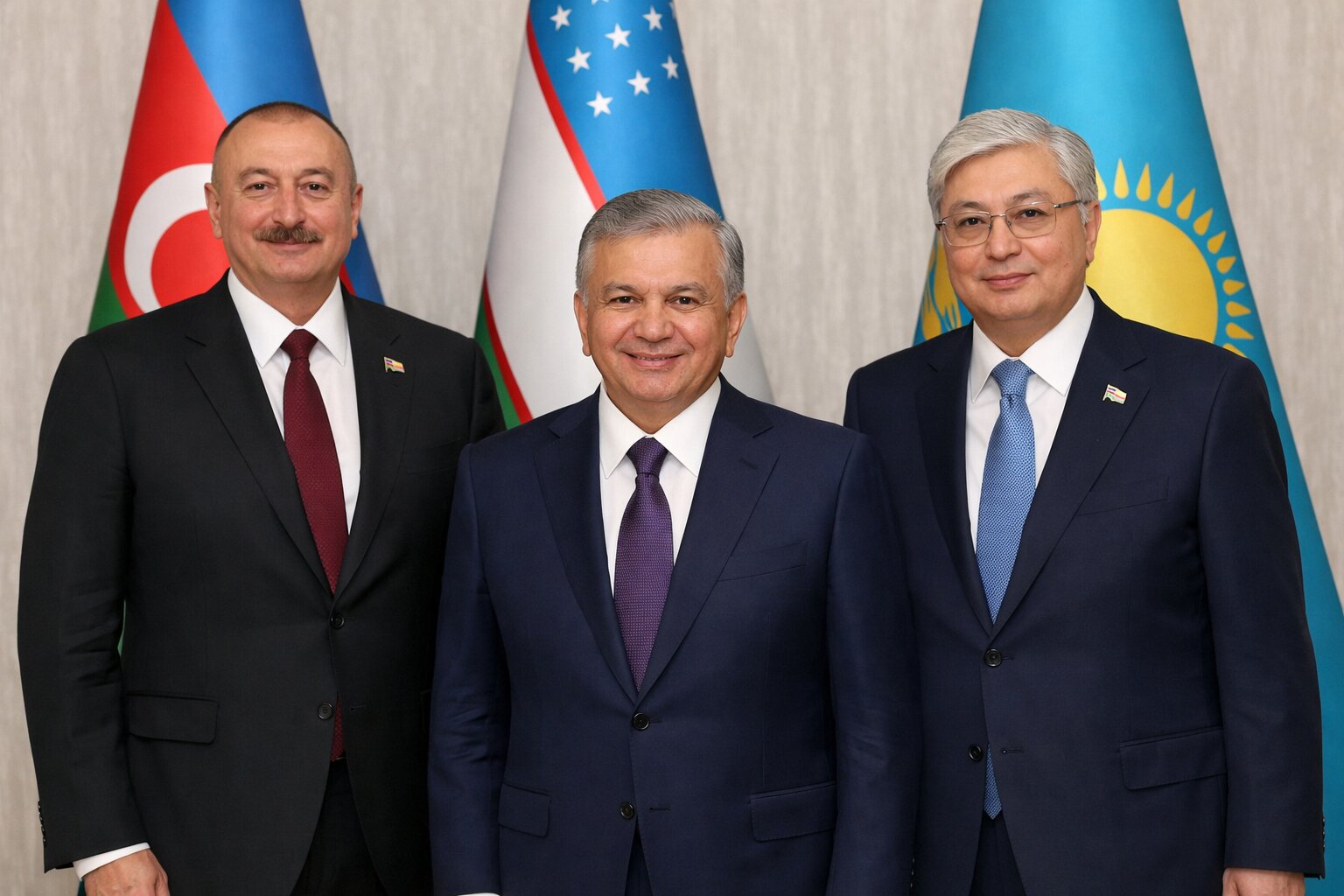
AT a time when the global energy map is being redrawn, the “Green Corridor” project emerges as more than infrastructure—it is a quiet shift in power from fossil depth to renewable horizon. The partnership between Uzbekistan, Kazakhstan, and Azerbaijan represents not just coordination, but a strategic realignment that links Central Asia to Europe through clean energy diplomacy.
At the core stands Uzbekistan, steadily transforming itself into a regional engine of renewable growth. Its rapid expansion in solar and wind capacity signals more than technical progress—it reflects a deliberate pivot toward energy sovereignty and sustainability. By reducing reliance on natural gas and scaling clean production, the country is positioning itself as a reliable exporter in a decarbonizing world.
Yet the true strength of the initiative lies in its collective design. Kazakhstan contributes geographic scale and grid strength, while Azerbaijan provides the strategic gateway to European markets عبر the Caspian corridor. Together, they form a new energy axis, one that answers Europe’s urgent search for diversified, stable, and green energy sources.
The project’s formalization during COP-29 underscores its alignment with the global climate agenda. It is not merely a regional initiative—it is part of a broader transition toward low-carbon economies, where infrastructure becomes a tool of both sustainability and influence.
Equally significant is the involvement of institutions like the Asian Development Bank and technical expertise from CESI. Their participation signals international confidence in the project’s feasibility and long-term value, elevating it from ambition to credible reality.
In essence, the “Green Corridor” operates on three interconnected levels:
- Economic: expanding clean energy exports and diversifying national revenues.
- Geopolitical: building a cooperative regional bloc with global relevance.
- Civilizational: shifting from extraction to regeneration, from depletion to renewal.
This is not just a corridor of electricity—it is a corridor of intent.
A reminder that in the new energy era, power belongs not only to those who extract resources, but to those who connect futures.