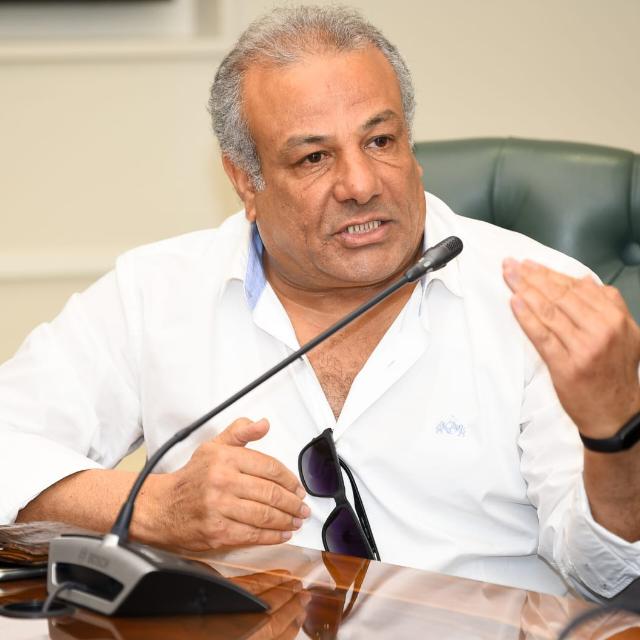
 Chief editor writes ✍️
In a candid and well-intentioned remark, Ambassador Khan Bulukhof recently stated, “Azerbaijan is part of Europe.” While likely meant to praise the country’s current policies, such a statement inevitably sparks deeper questions about identity, alignment, and geopolitical positioning—especially in a region defined by shifting alliances and enduring conflicts.
Some view Europe as a selective moral authority—much like the satirical character “Alama Basha” in the famous play by Soheir El Bably—championing causes only when it suits its political and strategic interests. For years, many in the region have asked: Where was Europe when Armenia occupied Azerbaijani territories? Where was the moral outrage when mosques were desecrated, civilians tortured, women assaulted, and youth executed?
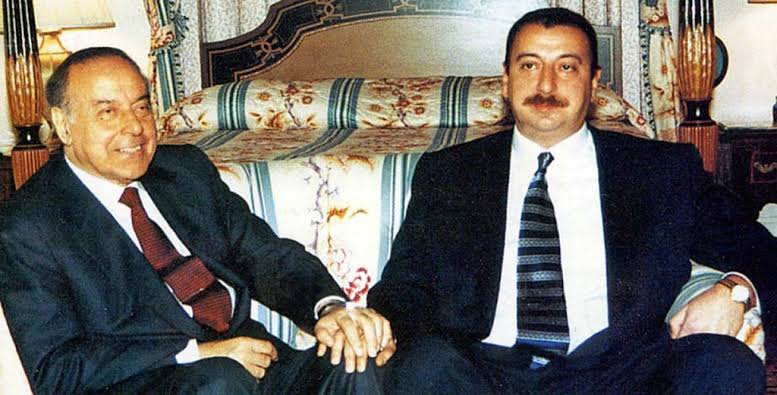
Azerbaijan’s journey to reclaim its sovereignty was long and hard-fought—first under President Heydar Aliyev and then under the strategic leadership of President Ilham Aliyev. Facing international indifference and regional provocations, Azerbaijan chose not to capitulate but instead recalibrated its regional partnerships, forming a pragmatic triangle with Turkey, Iran, and Russia. This geopolitical “Bermuda Triangle” has become a cornerstone of balance and dignity in the Caucasus.
In this context, Azerbaijan doesn’t see itself as blindly aligned with the West, nor with the East—it sees itself first and foremost as a sovereign actor, driven by its own national interests, cultural roots, and historical identity. The country has learned that depending on selective international sympathy leads only to betrayal, especially when religious or political biases influence global policy.
Some regional experts now admit—regretfully—that blindly boarding the “European train” at the expense of regional alliances, particularly with Russia and other neighbors, was a costly error. The European inclination to support Armenia, under the guise of shared religious heritage, has only deepened distrust.
So, is Azerbaijan truly “part of Europe”? Or is it rather a proud, free nation rooted in Asia and the Islamic world, yet open to balanced cooperation with all sides?
It’s high time for countries like Azerbaijan—and others in the Muslim world—to stop chasing Western validation at the expense of their dignity and strategic interests. A new form of global cooperation, free from sectarianism, racism, or linguistic bias, must emerge. A Muslim NATO, driven by justice and sovereignty, is not a utopian dream—it’s a necessary recalibration in today’s fractured world.
Thus, dear ambassador, with all due respect, perhaps a more accurate statement would be:
“Azerbaijan stands at the crossroads—looking to Europe, but never bowing to it.”