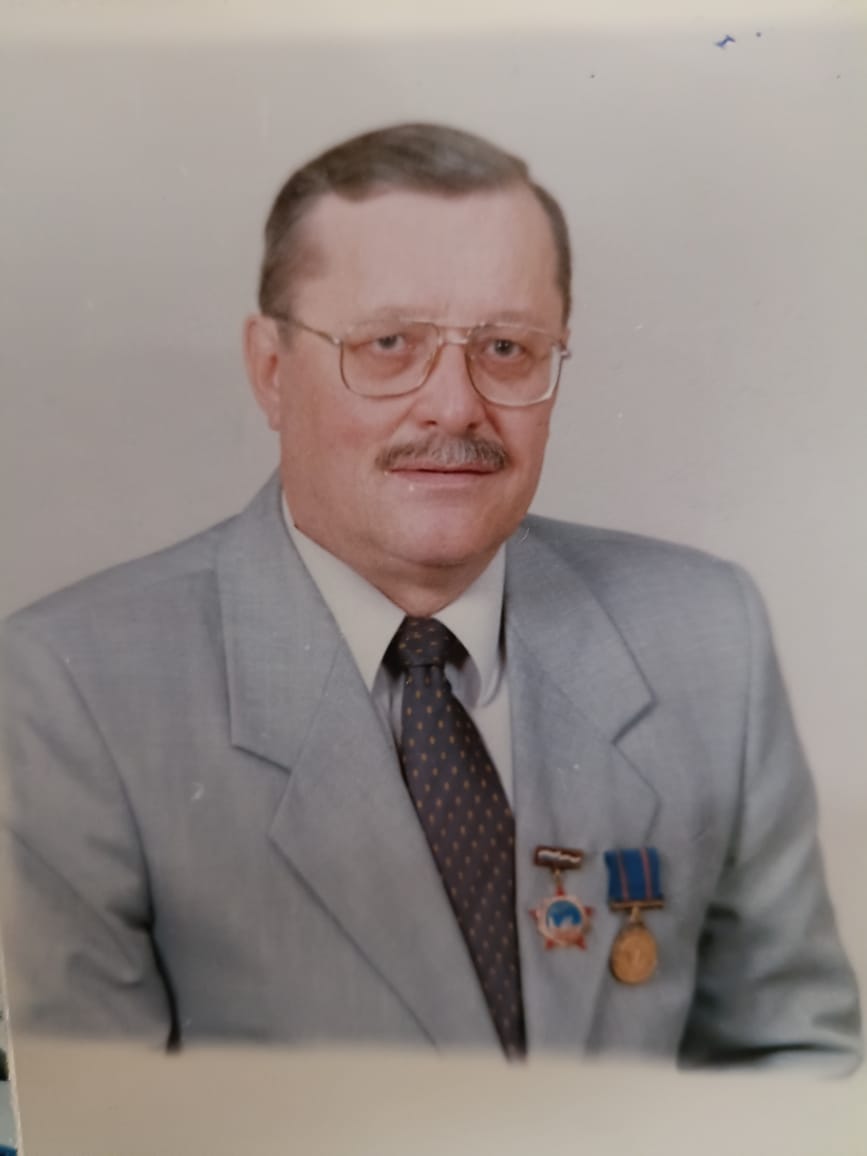
Ashraf AboArafe
Egypt and the Arab world have lost a great friend with the passing of Russian Arabist and historian Dr. Gennady Goryachkin at the age of 80. A renowned professor of modern and contemporary Arab history at the Institute of Oriental Languages, Moscow University, Dr. Goryachkin devoted his life to building bridges between Russia and the Arab peoples, especially Egypt, through research, writing, and teaching the Arabic language, which he mastered fluently.
Born in 1945 in Eastern Siberia in the former Soviet Union, Dr. Goryachkin earned his PhD in 1975 with a thesis on the Egyptian working class during the Nasser era. He later became a professor of Near and Middle Eastern history at the Institute of Asia and Africa and also served as a military translator alongside Soviet experts in Egypt, earning the First Class Medal of Military Duty.
His prolific academic legacy includes several important works on Egypt such as *”The Modern History of Egypt and the Arab World,”* *”Russia Through Egyptian Eyes,”* *”Between the Volga and the Nile,”* *”Memoirs of a Soviet Translator on the Egyptian Front,”* *”Raouf Abbas: The Historian and the Man,”* and *”Egypt in Russian Archives.”*
Deeply in love with the city of Alexandria since his student years, Dr. Goryachkin later served as director of the Russian Cultural Center in Alexandria, which he captured in his book *”Russian Alexandria.”* He also authored hundreds of articles on Egyptian-Russian cultural and historical relations.
Dr. Ibrahim Kamel, President of the Egyptian-Russian Friendship Association, described his passing as a profound loss, noting Goryachkin’s critical role as one of the most influential Russian Arabists contributing to cultural ties between the two nations.
At a memorial ceremony organized by the Friendship Association, Secretary General Sherif Gad recalled Goryachkin’s lifelong devotion to studying Arab-Russian relations, his enduring affection for Egypt, and his pivotal role in transforming the Russian Cultural Center in Alexandria into a vibrant hub for intellectuals and artists. Gad also confirmed he is working to complete the Arabic translation of Goryachkin’s final manuscript on cultural cooperation between Russia and Egypt from the 19th to the 21st century.
Literary critic and Writers’ Union media committee member Dr. Manal Radwan emphasized Goryachkin’s unique scholarly contributions, especially his use of Russian archives to document decisive phases of Egyptian history. She highlighted his seminal work *”Egypt in Russian Archives,”* which compiled hundreds of documents providing vital insights into how Russian observers perceived Egypt’s transformations. In *”Russian Alexandria,”* Goryachkin portrayed the city as a mirror of diasporic identity—welcoming Russian immigrants as integral parts of its social fabric, not as transient visitors.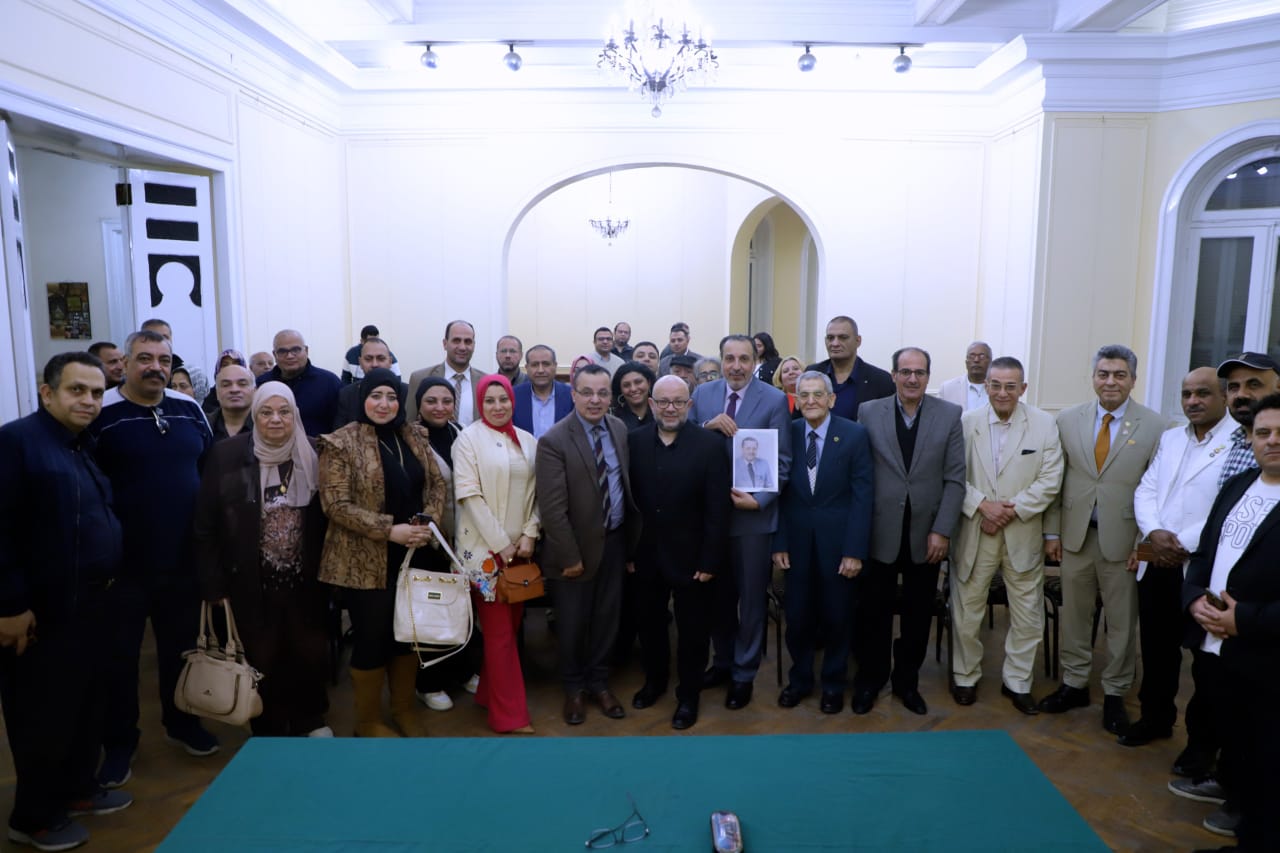
Dr. Radwan concluded that his legacy of rigorously researched publications will remain an indispensable reference for anyone seeking a deeper, more transparent understanding of history.