Ashraf AboArafe
In a move reflecting deep developmental partnership, Germany supported 23 grassroots projects across Egypt, reaffirming its commitment to social responsibility and empowering civil society.
Cairo — In an increasingly uncertain global landscape, Germany’s latest move to fund 23 grassroots projects across Egypt is more than mere development aid. It signals a deliberate diplomatic and strategic choice to invest in social infrastructure, civil society, and inclusive development — pillars often overlooked in state-to-state relations.
1. Strategic Diplomacy Through Civil Society
Germany’s support — EGP 13 million spread across 23 local NGOs — reflects its long-standing approach of soft power and developmental diplomacy. This approach transcends traditional political or economic engagements, instead targeting the societal core.
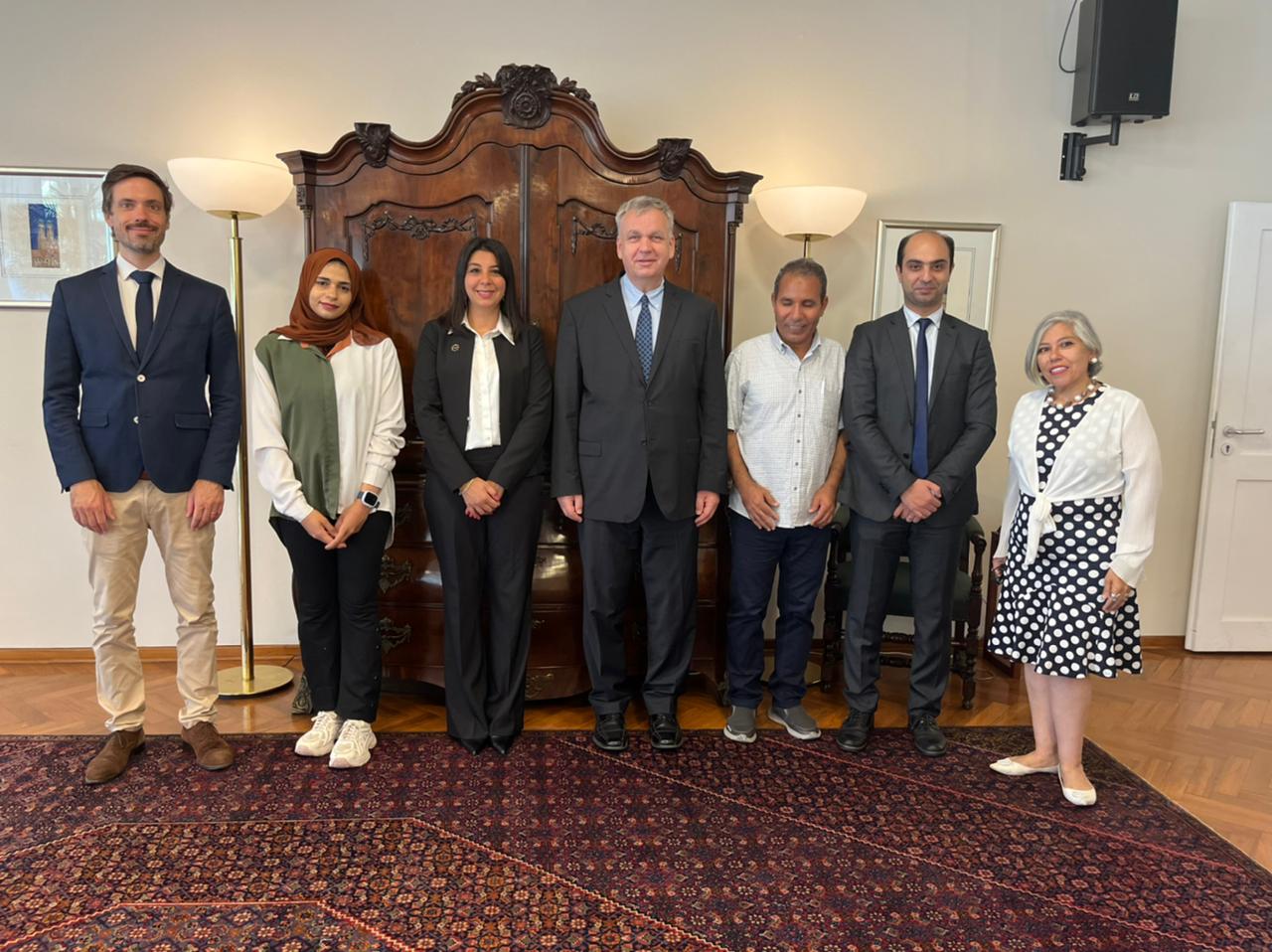
Ambassador Frank Hartmut Jürgen Schulz’s remark that “civil society is not a luxury, it is the backbone of development” delivers a nuanced diplomatic message. It affirms Germany’s support not only for Egypt’s development agenda but also for civic engagement as a stabilizing force — a statement of values in a region often marked by restricted civic space.
2. Grassroots Impact over Grand Projects
While the total funding may seem modest by macroeconomic standards, the micro-project model Germany champions is designed for localized impact with measurable outcomes. These small-scale interventions often yield greater long-term sustainability than high-profile, top-down programs.
The initiative’s diversity — spanning education, healthcare, digital skills, women’s empowerment, and environmental protection — reveals Germany’s intent to support holistic development. It also reflects alignment with the UN Sustainable Development Goals (SDGs), reinforcing Egypt’s national development priorities.
3. Model Projects with Symbolic Value
Germany’s decision to spotlight three model projects is not incidental — it is a form of diplomatic storytelling. Each selected initiative addresses a unique developmental pain point:
- Ahl Masr Foundation: By supporting burn survivors with a digital learning center, Germany emphasizes social reintegration and technological empowerment for the most vulnerable.
- Hayat Afdal in Luxor: The project underscores early childhood education in rural Upper Egypt, in collaboration with a German grassroots NGO — Freunde helfen Luxor e.V. — demonstrating cross-border civic partnership.
- Sharqia Youth Foundation: Promoting sustainable agriculture through recycling crop waste reflects both environmental consciousness and a deep understanding of rural livelihoods.
4. Geopolitical Sensitivity and Regional Balance
The geographic spread of supported projects — from Cairo to remote oases — shows a strategic awareness of Egypt’s internal disparities. Germany’s inclusive approach ensures rural and marginalized regions are not left behind, contributing to social cohesion and balanced development.
This regional outreach also carries political undertones, as development in neglected governorates can mitigate socio-political tension and foster greater national integration.
5. Conclusion: A Quiet, Long-Term Commitment
Germany’s micro-project fund is more than a charitable gesture — it is an investment in people, ideas, and future resilience. In times where global alliances are tested, Germany is choosing to cultivate bottom-up partnerships that build trust, promote dignity, and anchor development in communities themselves.
If sustained, this model could serve as a blueprint for international cooperation that is humane, targeted, and quietly transformative — turning diplomacy into a tool for real, everyday change.