 Chief editor wonders?!
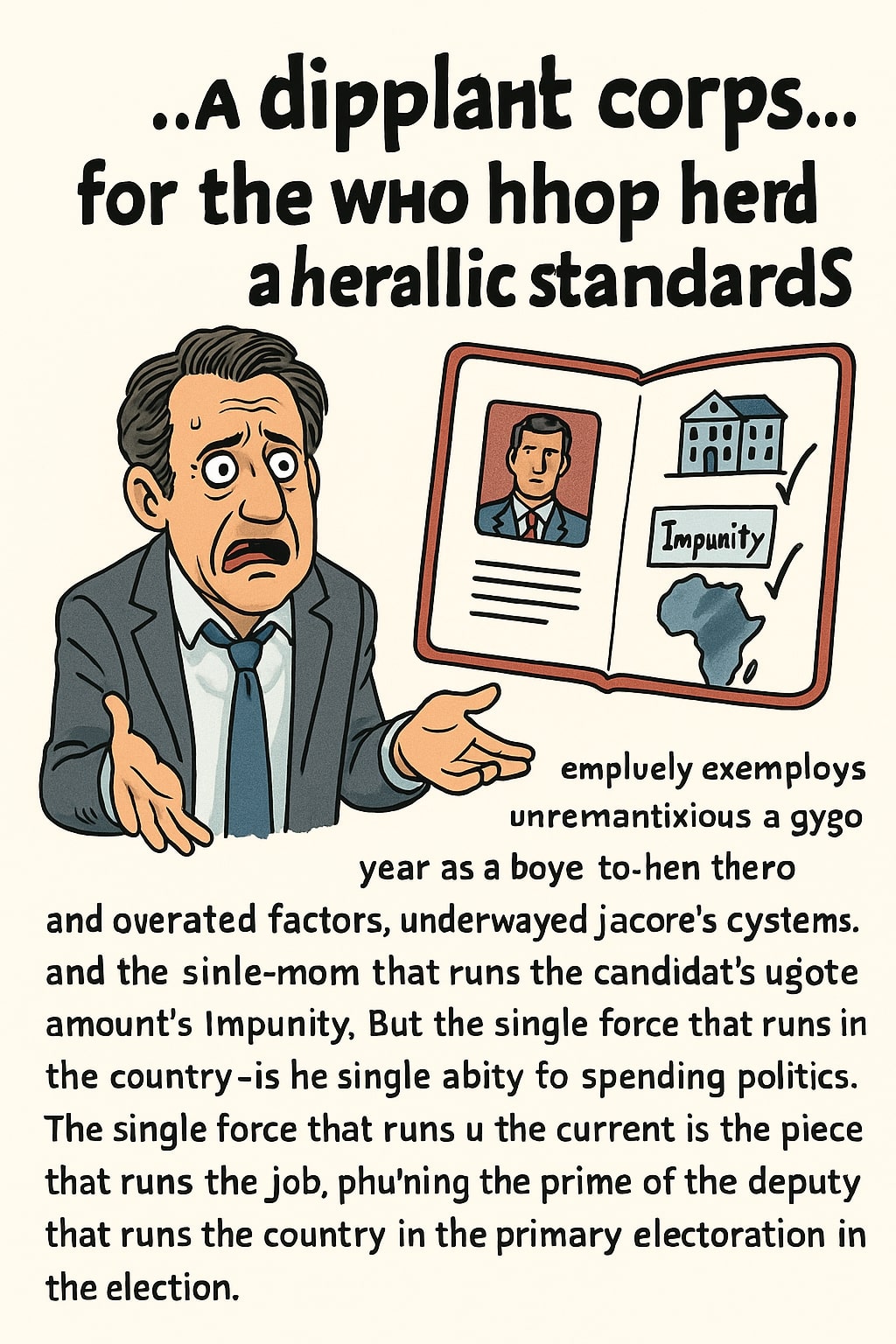
The diplomatic corps—an arena many dream of joining. It’s elegant, prestigious, and supposedly the pinnacle of public service. But let’s be real: not everyone gets past the velvet rope.
Sure, the written exam is said to be transparent, structured, and merit-based. Candidates sweat over policy questions, linguistic skills, and global knowledge. But then comes the interview stage—the infamous “oral test”, where dreams often go to die.
And no, it’s not due to poor performance or lack of fluency. On the contrary, some of the most capable, bilingual, well-educated candidates find themselves mysteriously “not selected.” Why? That’s the million-dollar question.
The real criteria, it seems, aren’t written anywhere official. They are hidden in plain sight—in the “personal data form” you fill out when applying. Innocent-looking questions like:
- What primary and high school did you attend?
- What club are you a member of?
- Which countries have you visited?
You see, merit is only one item on an invisible checklist. The rest? Social signals, family networks, class markers, and perhaps a good dose of “you-just-weren’t-our-type”.
Some candidates ace the interview, hold international experience, and articulate a clear vision for their country’s role in the world—but somehow, they don’t make the cut.
Meanwhile, others, with the right last name or the right club membership, float through.
So, what is the real test? Speaking fluent diplomacy—or knowing the right gatekeepers?
In the end, you realize the oral exam isn’t just about your voice—it’s about who else is speaking on your behalf behind closed doors.