Ashraf AboArafe
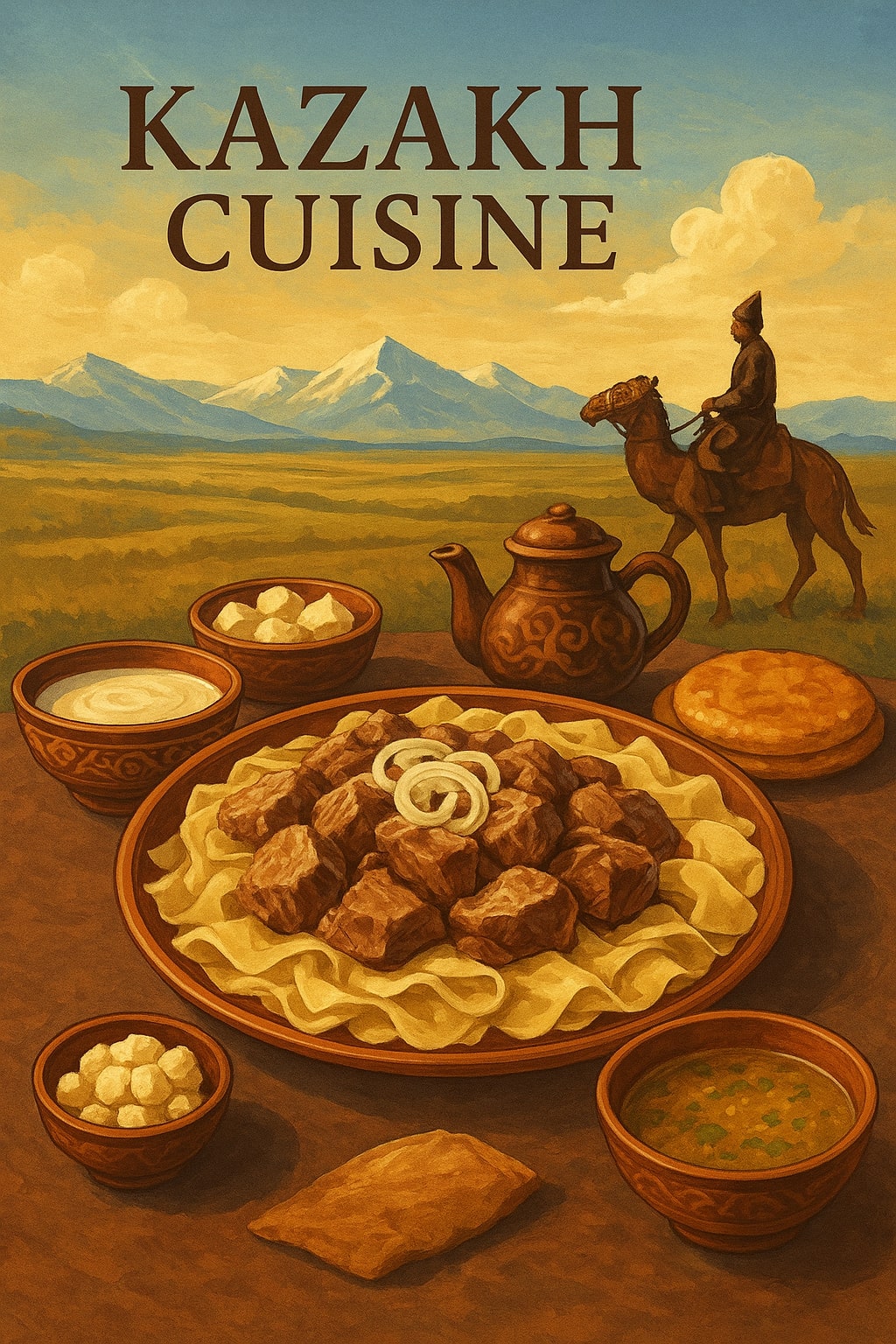
Kazakhstan’s cuisine, deeply rooted in its nomadic heritage, blends hearty meats, rich dairy traditions, and a spirit of warm hospitality. On the vast Eurasian steppes, horse meat stands as both a delicacy and a cultural emblem—steeped in history, pride, and communal celebration—inviting travelers to taste a living story of survival and identity.
1. Cultural and Historical Context
Kazakhstan’s culinary traditions emerge directly from its nomadic way of life, where survival depended on mobility, livestock, and resourcefulness. Horses, sheep, cattle, and camels provided both transport and sustenance, forming the basis of a diet rich in meat, milk, and dairy derivatives.
The Kazakh people are often regarded as among the first to domesticate horses, which became central not only to their economy and warfare but also to their cuisine. Horse meat’s role transcends nutrition; it is a symbol of honor, offered to guests during festivals, weddings, and national celebrations.
2. Distinctive Culinary Features
- Core Ingredients: Horse meat and mutton dominate the meat spectrum, accompanied by fermented mare’s milk (Kumis), fermented camel’s milk (Shubat), clarified butter, and dried cheese curds (Kurt).
- Cooking Approach: Influenced by Russian, Central Asian, and Mongolian traditions, Kazakh cooking retains its nomadic practicality—minimal utensils, slow boiling, and preservation techniques for long journeys.
- Hospitality Rituals: Communal dining around a low table (dastarqan), grand feasts for guests, and formal tea-drinking etiquette are essential cultural markers.
3. The Horse Meat Culture
In Kazakhstan, horse meat is not simply a protein source—it is an expression of national heritage. Its preparation involves unique methods to preserve tenderness and flavor, such as slow boiling, smoking, or curing. Certain cuts are reserved for elders or high-ranking guests, reflecting an embedded social code.
The act of serving horse meat at key life events underscores its symbolic value, reinforcing identity and continuity in a rapidly modernizing society.
4. Iconic Dish: Beshbarmak
Literally meaning “five fingers,” Beshbarmak is Kazakhstan’s most recognized dish and a cultural centerpiece. Traditionally eaten by hand, it consists of boiled horse or lamb meat served over flat noodles, topped with onions and accompanied by rich broth.
Beyond taste, Beshbarmak embodies Kazakh hospitality and unity—guests gather around a large shared platter, reaffirming social bonds in a setting where food is inseparable from cultural expression.
5. Tourism and Cultural Diplomacy
Kazakhstan increasingly leverages its culinary heritage as a soft power tool in tourism promotion. Articles like this—often paired with travel campaigns—highlight exotic authenticity, positioning the country as a destination for cultural and gastronomic exploration. The narrative of horse meat, while niche globally, appeals to travelers seeking “unforgettable” and immersive food experiences.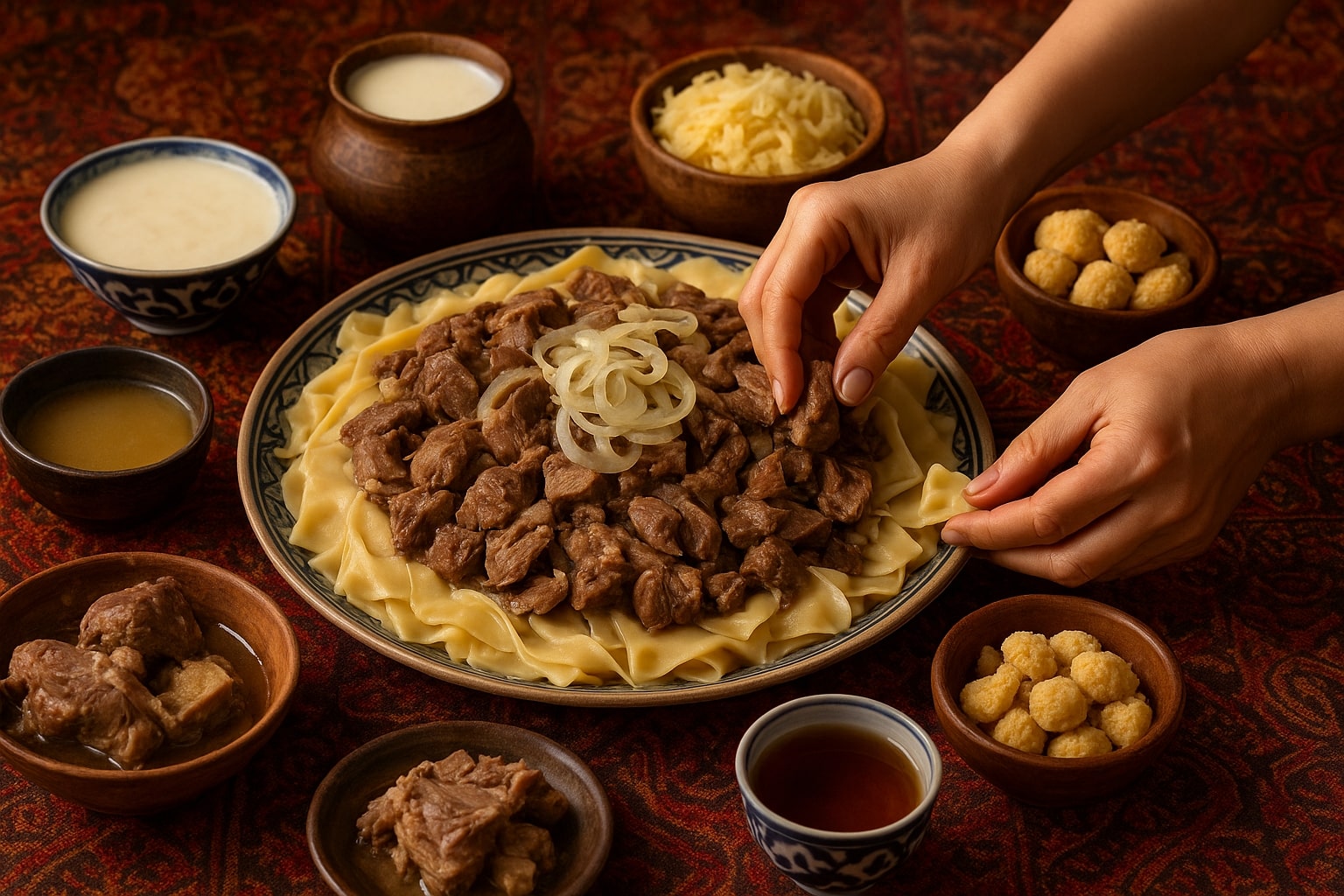
Conclusion
Kazakh cuisine is more than a set of recipes—it is a living archive of nomadic resilience, environmental adaptation, and social ritual. The prominence of horse meat, especially in dishes like Beshbarmak, reflects a unique blend of history, identity, and hospitality. For visitors, tasting these flavors is not merely a culinary act, but an entry point into the soul of Kazakhstan.