 Chief editor writes
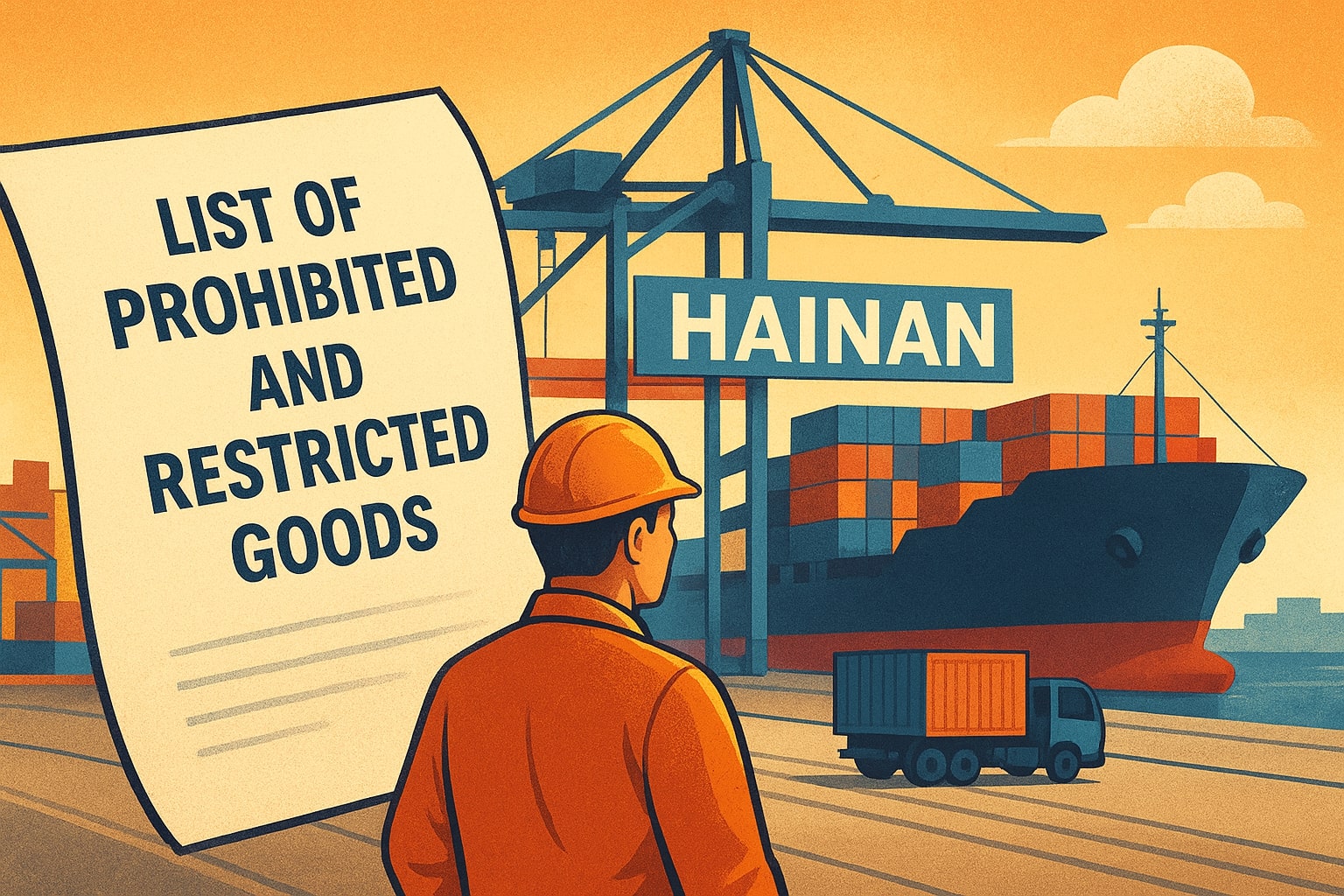
XINHUA _ The release of Hainan Free Trade Port’s updated list of prohibited and restricted import/export goods marks a deliberate policy signal by Beijing, intertwining two core objectives: predictable regulation and selective liberalization.
1. Transparency as an investment magnet
By consolidating all prohibited and restricted categories into a single, clear, and accessible document, the Ministry of Commerce is addressing one of the most common complaints among foreign and domestic investors—regulatory opacity. In emerging free trade zones, ambiguous rules often deter long-term commitments. This move reduces informational barriers, enabling market entities to assess compliance requirements at the outset, lowering operational risk and legal uncertainty.
2. Openness, but with controlled experimentation
The fact that some import management measures are being relaxed specifically to suit Hainan FTP’s development needs signals a pilot liberalization approach. Rather than sweeping reform, Beijing is testing selective easing in a contained environment. This fits the broader strategy of using Hainan as a laboratory for policy innovation ahead of possible nationwide application—particularly in customs procedures, duty exemptions, and logistics facilitation.
3. Timing linked to customs independence
The December 18 launch of island-wide independent customs operations adds a practical dimension to the announcement. Having a clarified list before this milestone ensures that traders, logistics companies, and customs authorities start on the same page. It also pre-empts bottlenecks and disputes that could arise in the early phase of independent customs control.
4. Strategic positioning in the regional trade map
Hainan’s positioning as a free trade port has implications beyond domestic reform. Greater transparency and controlled openness can be leveraged in trade negotiations under RCEP and in China’s outreach to Belt and Road partners. The FTP could become a demonstration hub of “China-style openness”—a blend of openness within boundaries that safeguards national interests while offering real commercial benefits.
5. Remaining questions and watchpoints
- Scope of relaxed measures: Which goods and sectors benefit most from the eased import rules, and will this advantage be temporary or institutionalized?
- Impact on supply chains: Will more transparent rules accelerate the establishment of regional distribution hubs in Hainan?
- Replication potential: If successful, will similar “prohibited/restricted lists” be rolled out in other Chinese FTZs or ports?
Conclusion
The updated list is more than a bureaucratic adjustment—it’s a strategic move to boost confidence in Hainan FTP ahead of its customs independence, signaling that China is prepared to couple regulatory clarity with incremental openness. The real measure of success will be whether it translates into sustained trade growth, higher foreign investment, and the port’s emergence as a competitive node in global commerce.