Ashraf AboArafe
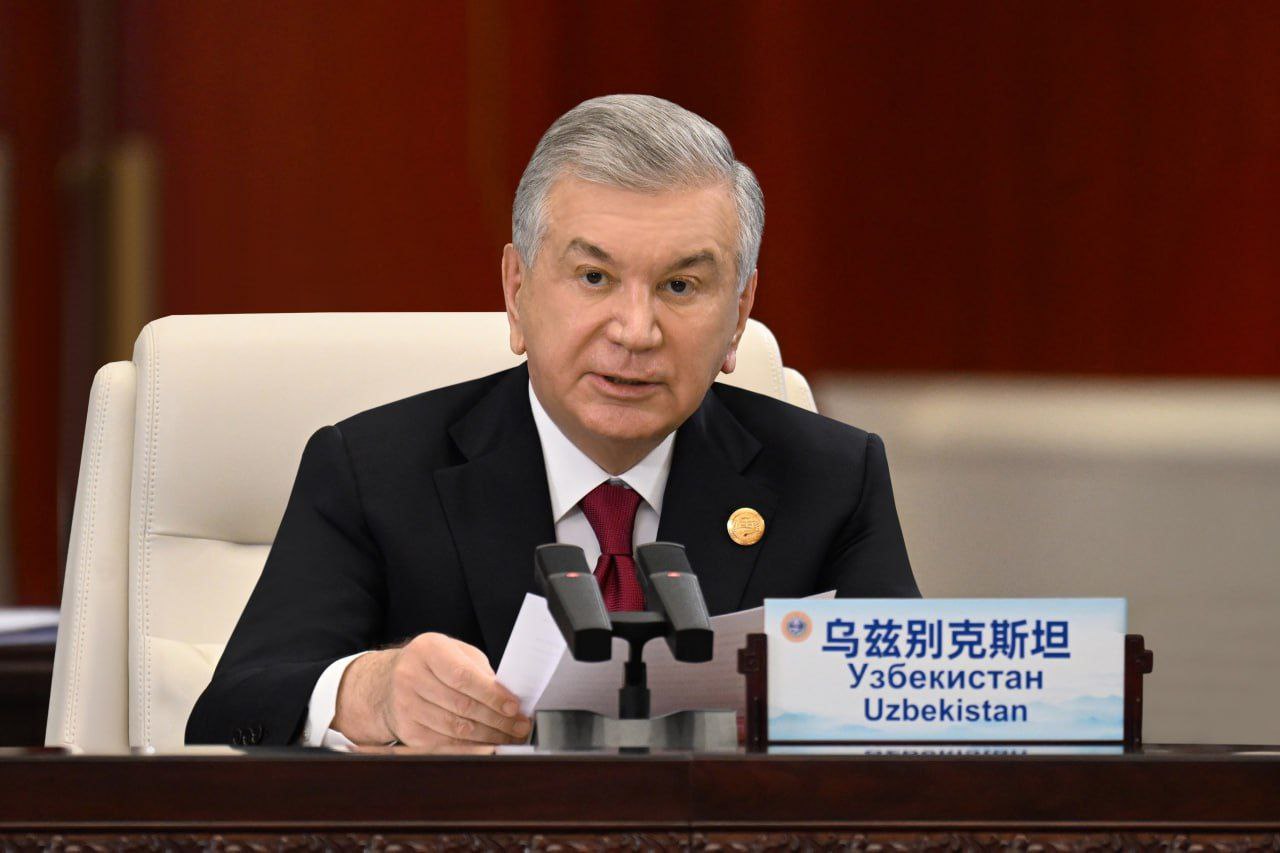
By any measure, President Shavkat Mirziyoyev’s address at the Shanghai Cooperation Organization (SCO) summit in Tianjin was more than a diplomatic statement. It was a roadmap for a fragile world grappling with mistrust, conflict, and fragmentation. With equal parts historical reflection and forward-looking ambition, Mirziyoyev positioned Uzbekistan not only as an active SCO member, but as a voice shaping the architecture of Eurasian cooperation.
Echoes of History, Lessons for Today
The Uzbek leader began by situating his message within the deep currents of shared history—reminding his audience of the sacrifices of World War II and invoking the timeless wisdom of Confucius. This was not rhetorical ornamentation; it was a deliberate attempt to connect the past’s hard-won lessons to the present’s urgent dilemmas. At a time when the world faces a systemic crisis of trust and the erosion of multilateral institutions, Mirziyoyev’s appeal to collective memory served as a call for solidarity.
A Vision Built on Three Pillars
What makes the speech notable is not only its symbolism, but also its structural clarity. The president outlined three strategic pillars:
- Institutional Strengthening – Reforming SCO mechanisms and embracing expansion toward the Global South, thereby turning the Organization into a global platform rather than a regional club.
- Security Cooperation – Addressing nuclear safety, cybercrime, terrorism, and drug trafficking, while reviving the Afghanistan Contact Group to keep the region’s most fragile neighbor engaged in dialogue.
- Economic and Green Integration – Advancing trade facilitation, building unified transport corridors linked to China’s Belt and Road Initiative, and spearheading platforms for critical materials, green energy, and climate resilience.
The Human Dimension
Perhaps most striking was Mirziyoyev’s emphasis on culture and people-to-people ties. From folk art festivals and university campuses to medical tourism and student Olympiads, he placed human exchange alongside geopolitics and economics. This approach reflects Uzbekistan’s growing recognition that long-term trust cannot be legislated—it must be lived.
Why It Matters
In a world marked by geopolitical rivalry and shifting power balances, the SCO often risks being dismissed as an oversized forum. Yet speeches like Mirziyoyev’s remind us that it is evolving into something more: a platform where middle powers craft collective strategies to navigate uncertainty. By blending calls for institutional reform, regional integration, and cultural diplomacy, Uzbekistan is not just defending its national interests—it is shaping the SCO’s global identity.
The Takeaway
President Shavkat Mirziyoyev’s Tianjin address should be read less as a checklist of proposals and more as a statement of intent. His message is clear: in an era of fractured global order, only unity—anchored in history, powered by cooperation, and enriched by culture—can guide the SCO toward relevance and resilience.