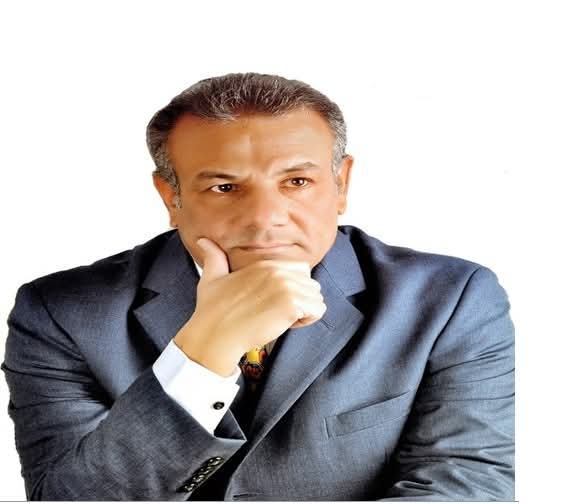
 Chief editor writes
In an era where events unfold at lightning speed and challenges grow increasingly complex, the word—whether written, spoken, or visual—remains a decisive force in shaping collective awareness and safeguarding national identity. President Abdel Fattah El-Sisi’s remarks on the decline of drama and the weakened role of the media were not merely passing observations, but rather a clear call to restore the true value of expression, and to revive the mission of art and media as the mirror of society and the voice of the nation. Elevating the standards of cultural and media production is therefore not a matter of luxury, but a national necessity—ensuring that our discourse remains relevant, genuine, and impactful in the face of a rapidly changing world.
Where the Nile flows with memory and time, media stands as the nation’s mirror: sometimes clear, reflecting truth’s brilliance; sometimes clouded, weighed down by bureaucracy and constraint.
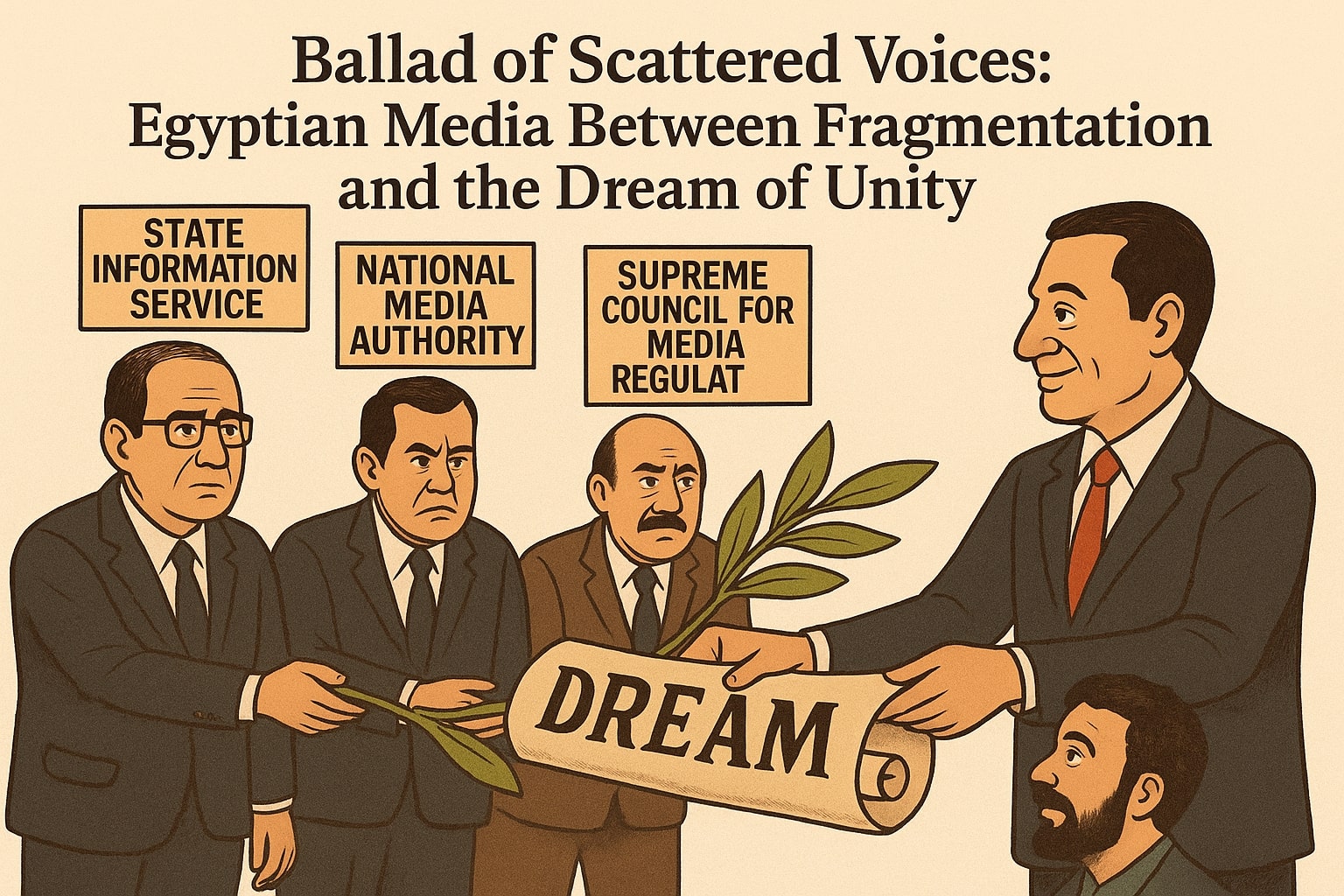
✦ The State Information Service: A Fading Shadow
It was born to be the voice and ear of the state, explaining Egypt’s policies, countering falsehoods, welcoming foreign correspondents. Today, however, its presence feels more like a faint echo, reacting rather than leading, shadowed rather than shining.
✦ National Media Authority & Supreme Council: Islands Adrift
- The National Media Authority carries the legacy of Maspero but struggles under financial burdens and bureaucratic inertia.
- The Supreme Council for Media Regulation wields regulatory power yet works in isolation, disconnected from its peers.
- The Journalists’ Syndicate, guardian of the profession, seeks to defend dignity but is often sidelined from real decision-making.
Three institutions that should form a choir of harmony, instead perform in discordant isolation.
✦ Journalists Between Restraint and Aspiration
- Print journalism: fading investigative depth, over-reliant on press releases and copy-paste culture.
- Broadcast television: obsessed with spectacle and emotion, starving of cultural and scientific substance.
- Radio and podcasts: radio bound by tradition, while podcasts open fragile windows to renewal.
The causes? Outdated training, heavy-handed control, profit over professionalism, and a widening gap with the youth.
The remedies? New schools of training, freedom with responsibility, investment in digital media, and rebuilding public trust.
✦ Law… Fragmented and Contradictory
The 2018 Media Law promised reform but emerged in a divided landscape:
- The National Media Authority governed by its own statute.
- The State Information Service reporting directly to the presidency.
- The Journalists’ Syndicate barely referenced.
The result: a legal scene like a poem missing half its verses, each stanza singing alone.
✦ Unification… Dream of Unity or Risk of Centralization?
At times, voices call for merging the three bodies into one super-institution.
- Advantages: ending duplication, unified messaging, reduced costs.
- Risks: excessive centralization, loss of specialization, weakened professional independence.
The wiser path lies not in total fusion but in smart institutional coordination:
A Higher Media Coordination Council, gathering leaders, issuing binding policy, yet preserving each body’s operational independence.
✦ Towards a New Chorus
Egyptian media needs not more authority but greater wisdom; not louder voices, but a unified melody.
When the State Information Service extends its hand to the National Media Authority, and the Syndicate shakes hands with the Supreme Council, silence will turn into discourse, discord into harmony.
Then the media’s mirror will once again reflect Egypt’s true face: a civilization of truth, dignity, and soft power reaching out to the world.