Dr. Taghreed Hussein Writes
Undersecretary, National Media Authority.. Member, Foreign Relations Committee – The National Council for Women
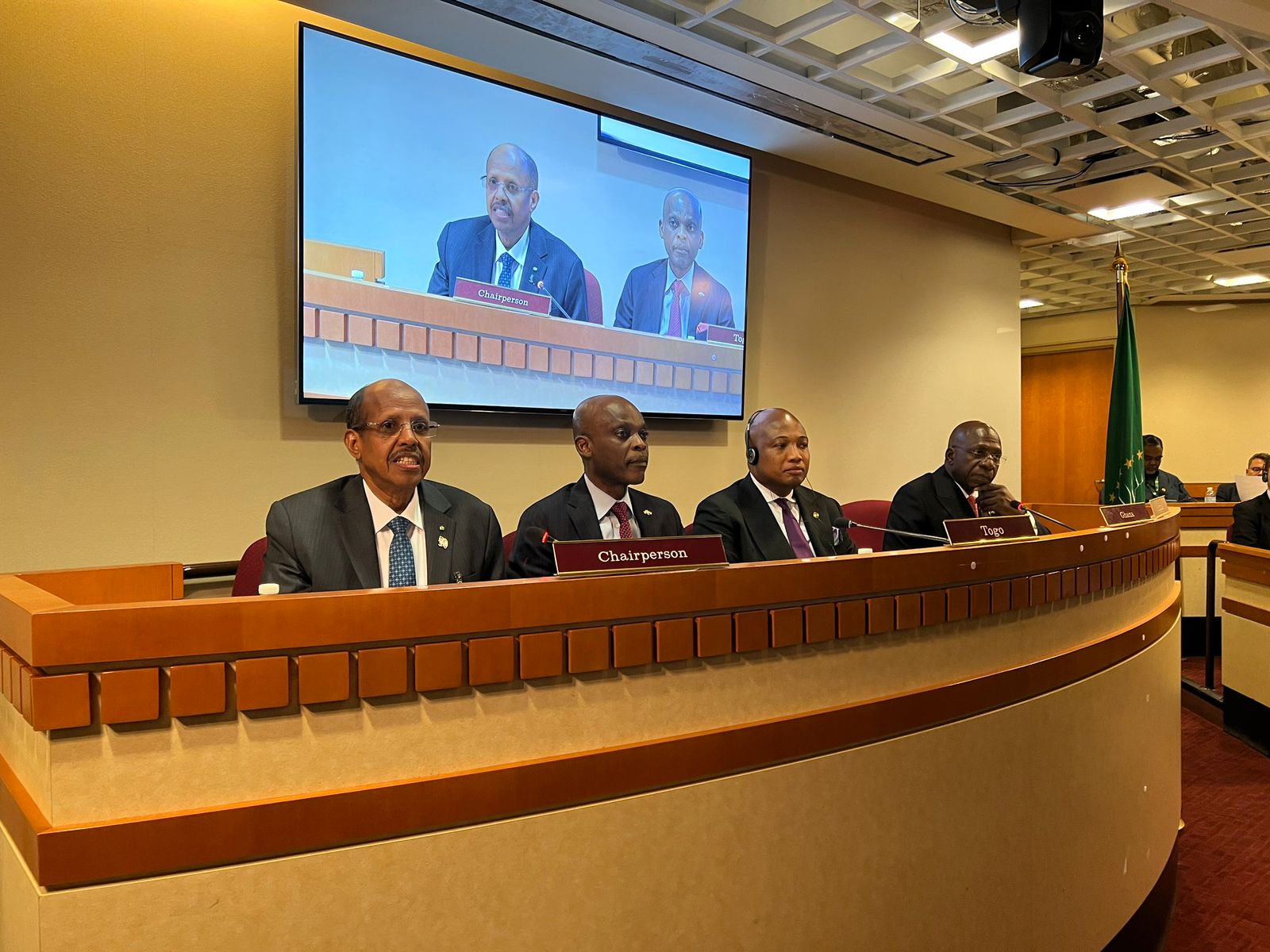
The African Union Commission, in partnership with the Republic of Togo, convened a high-level ministerial side event in New York under the theme “80 Years of the United Nations (UN): Accelerating the Reform Agenda and Consolidating Momentum towards Justice and Reparations.”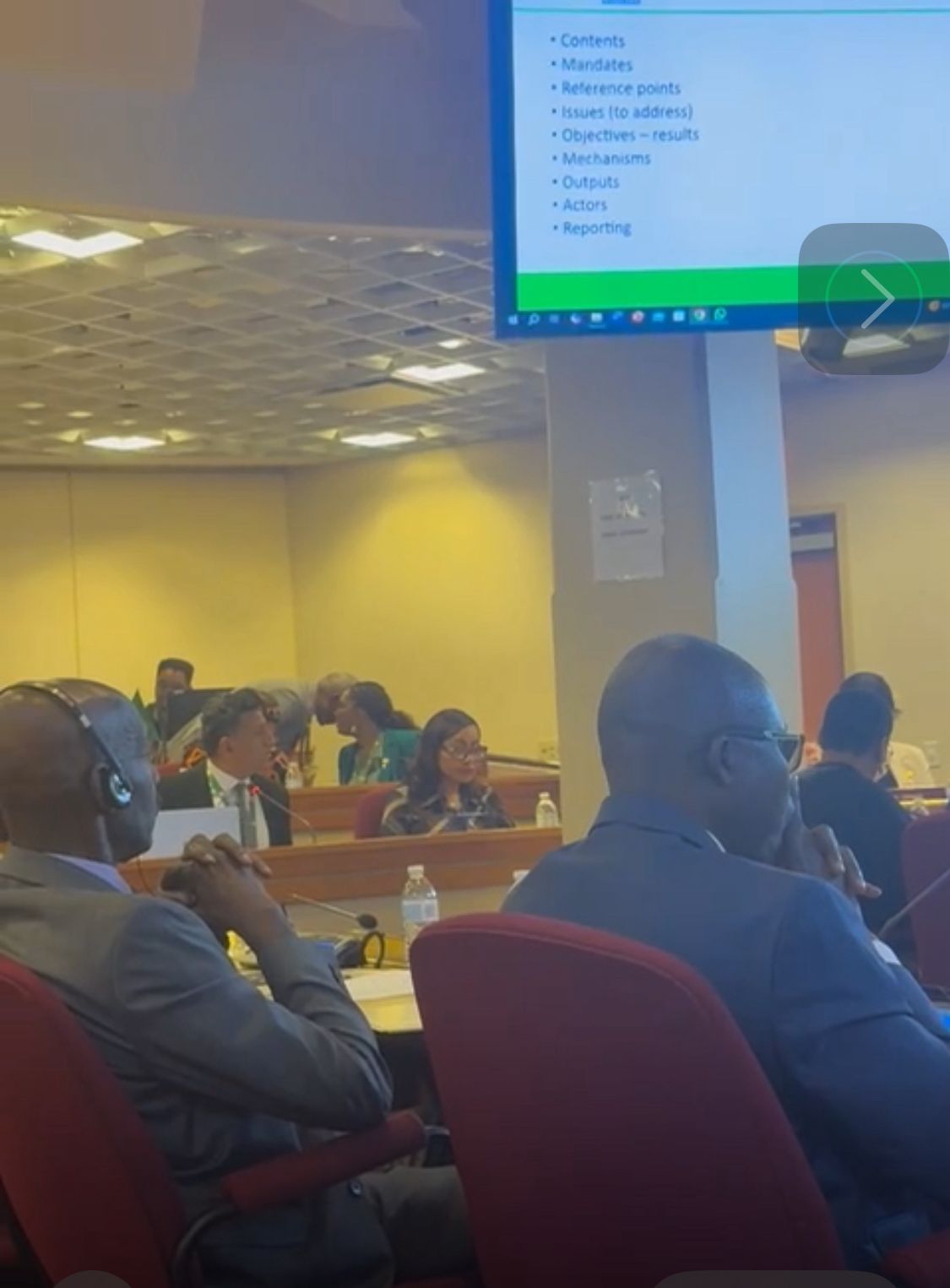
The gathering brought together the foreign ministers of Angola—current Chair of the African Union—Ghana, the Champion of the Reparations Initiative, and Togo, host of the upcoming Ninth Pan-African Congress, alongside the Chairperson of the African Union Commission, representatives of the United Nations, civil society, and the African diaspora. Together, they examined pathways for reforming the UN system to ensure equitable development and justice for Africa and its people.
In his opening remarks, Mahmoud Ali Youssouf, Chairperson of the African Union Commission, described the event as a reflection of African unity and collective political will to advance UN reform and uphold the cause of justice and reparations. He recalled that, in 1945, when the United Nations was founded, most African nations were still under colonial rule — a historical absence that continues to shape global inequality today.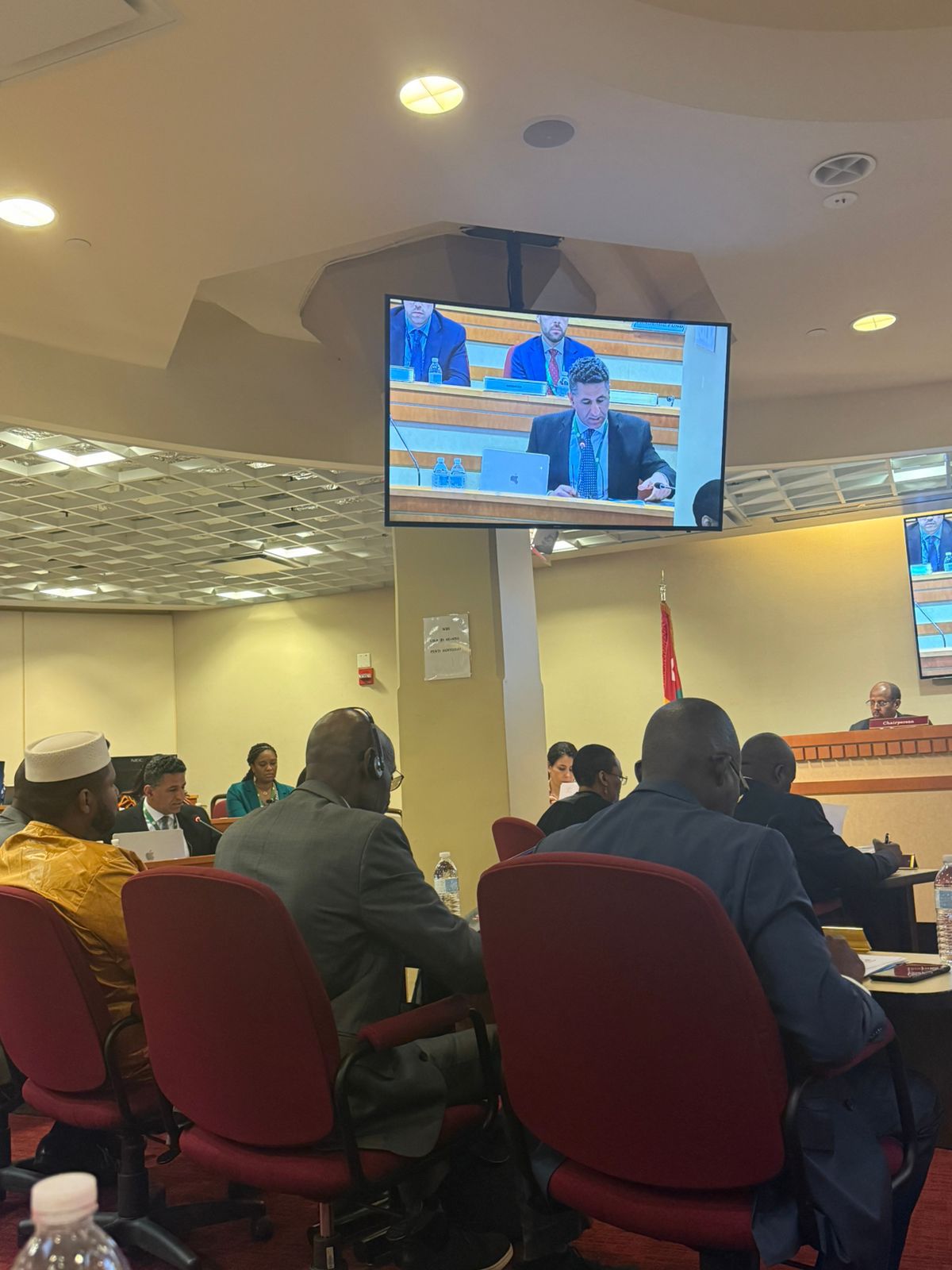
Youssouf emphasized that healing the wounds of the past goes beyond symbolic recognition; it demands restoring dignity to Africans and their diaspora through bold reforms that strengthen the continent’s representation and influence in the UN system. He underscored that true reparative justice requires strategic partnerships and targeted investments in education, health, infrastructure, and technological innovation — not merely words of sympathy.
The foreign ministers of Togo, Ghana, and Angola echoed this call, urging the adoption of a concrete action plan to amend the structure of the Security Council and adjust global governance mechanisms to ensure fair representation for African nations. They also emphasized the need to establish financing instruments to advance reparations, strengthen accountability, and support sustainable justice.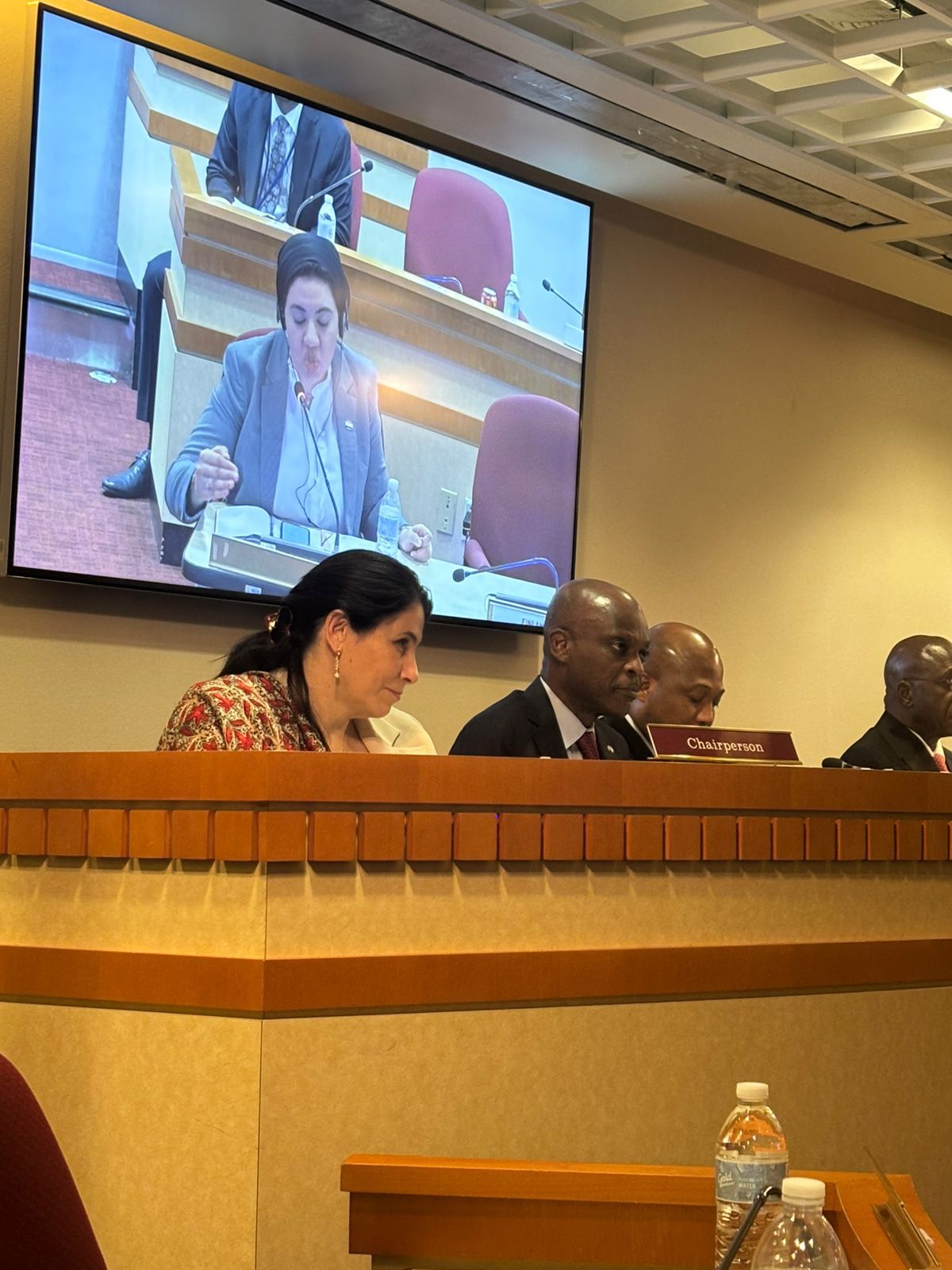
Describing the event as a milestone in the African Union’s journey toward a more just global order, the ministers reaffirmed that the reform of the UN is not a privilege but a right long overdue for the African continent and its peoples.
Ambassador Amr Aljowaily, Director of the African Diaspora and Citizens Directorate at the African Union Commission, presented an overview of decisions taken at the 2024 and 2025 African Summits, both held under the theme “Justice for Africans and People of African Descent Through Reparations.” He detailed the establishment of mechanisms such as the Committee of Experts on Reparations, the Reference Group of Legal Experts, and an International Reparations Fund, all designed to support the ongoing efforts led by President Nana Akufo-Addo of Ghana.
Throughout the program, expert panels explored the moral, political, economic, and legal dimensions of reparations, while highlighting the crucial role of the African diaspora and civil society in shaping reform and ensuring accountability. Discussions also underscored the importance of regional and international partnerships ahead of the Ninth Pan-African Congress to be hosted in Lomé in 2025.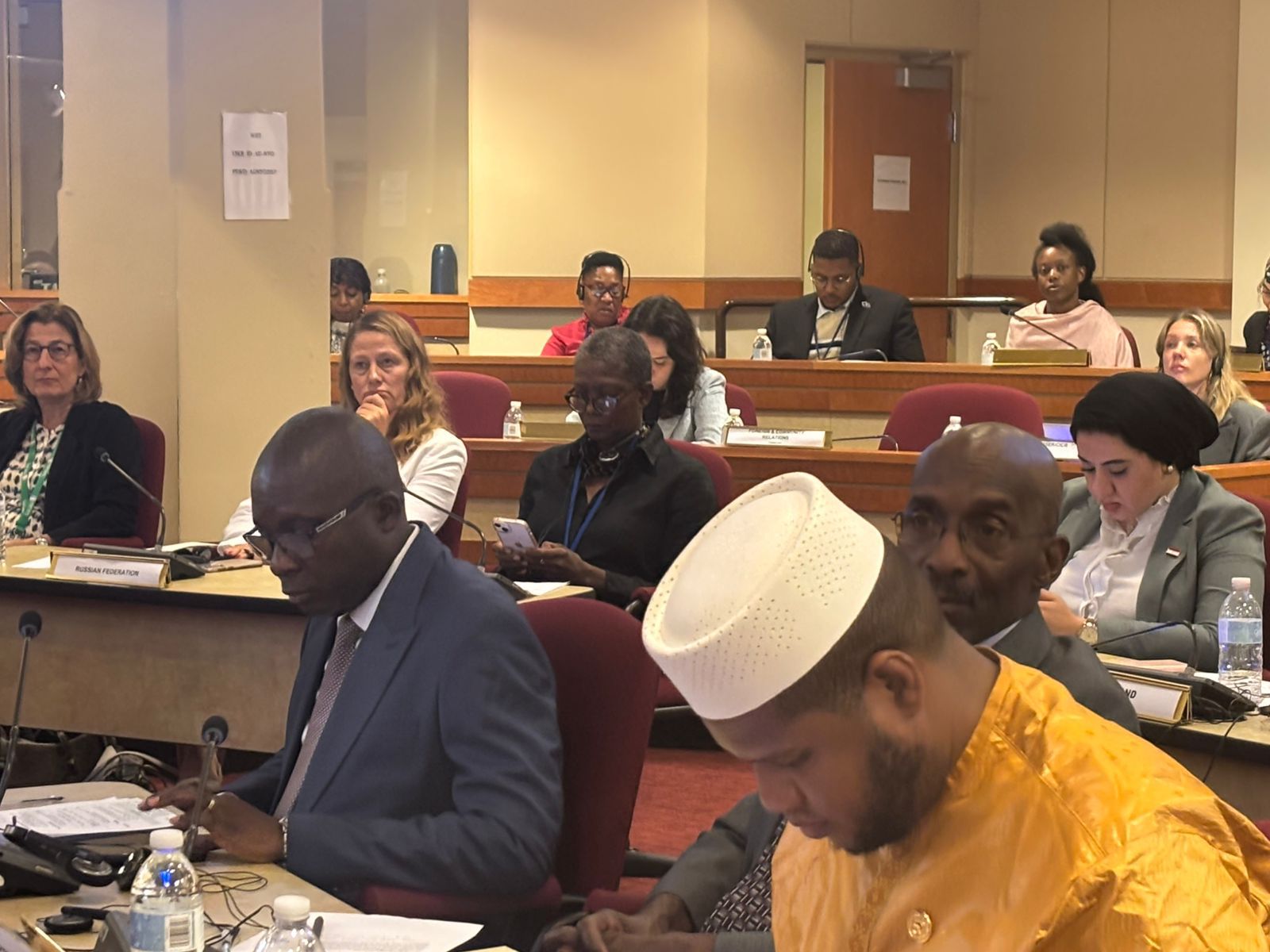
Egyptian Senator Amira Saber spotlighted Cairo’s enduring contribution to the liberation movements of Africa through the African Association in Zamalek, and Egypt’s pioneering role in establishing the Organization of African Unity in 1963 and later the African Union in the early 2000s.
In her closing remarks, Ambassador Salma Malika Haddadi, Deputy Chairperson of the Commission, praised the spirit of candor and solidarity that marked the discussions, describing it as a vital force propelling the continent toward genuine UN reform and reparative justice. She urged member states to translate the event’s recommendations into practical roadmaps and actionable priorities — including transparency, inclusive dialogue, and joint monitoring mechanisms — especially in the lead-up to the 2025 Pan-African Congress in Lomé.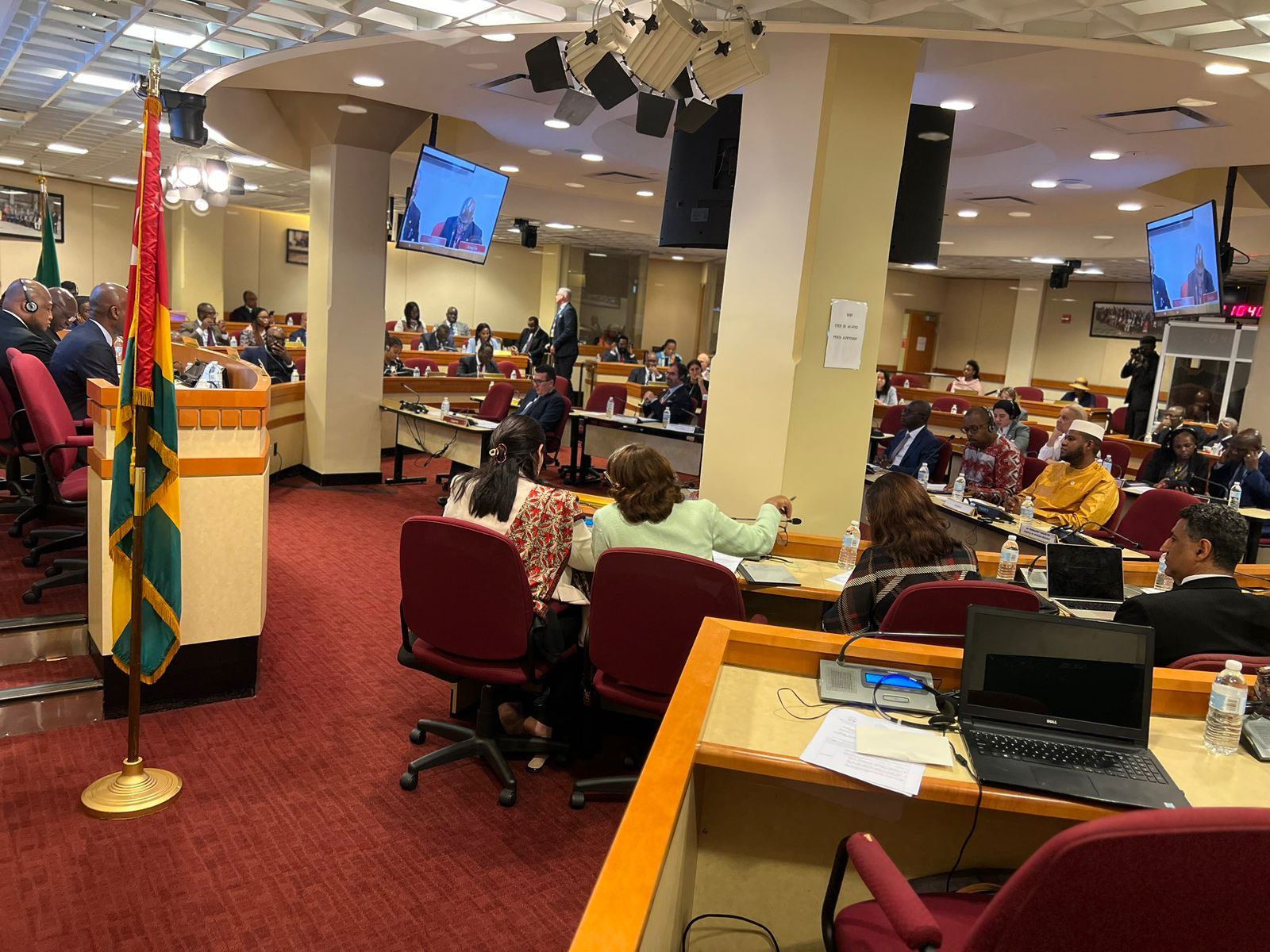
Ambassador Haddadi concluded by reaffirming that Africa’s collective voice — shaped by history and driven by hope — will continue to resonate across the international stage until justice and equality become the pillars of a reformed global order.