Ashraf AboArafe
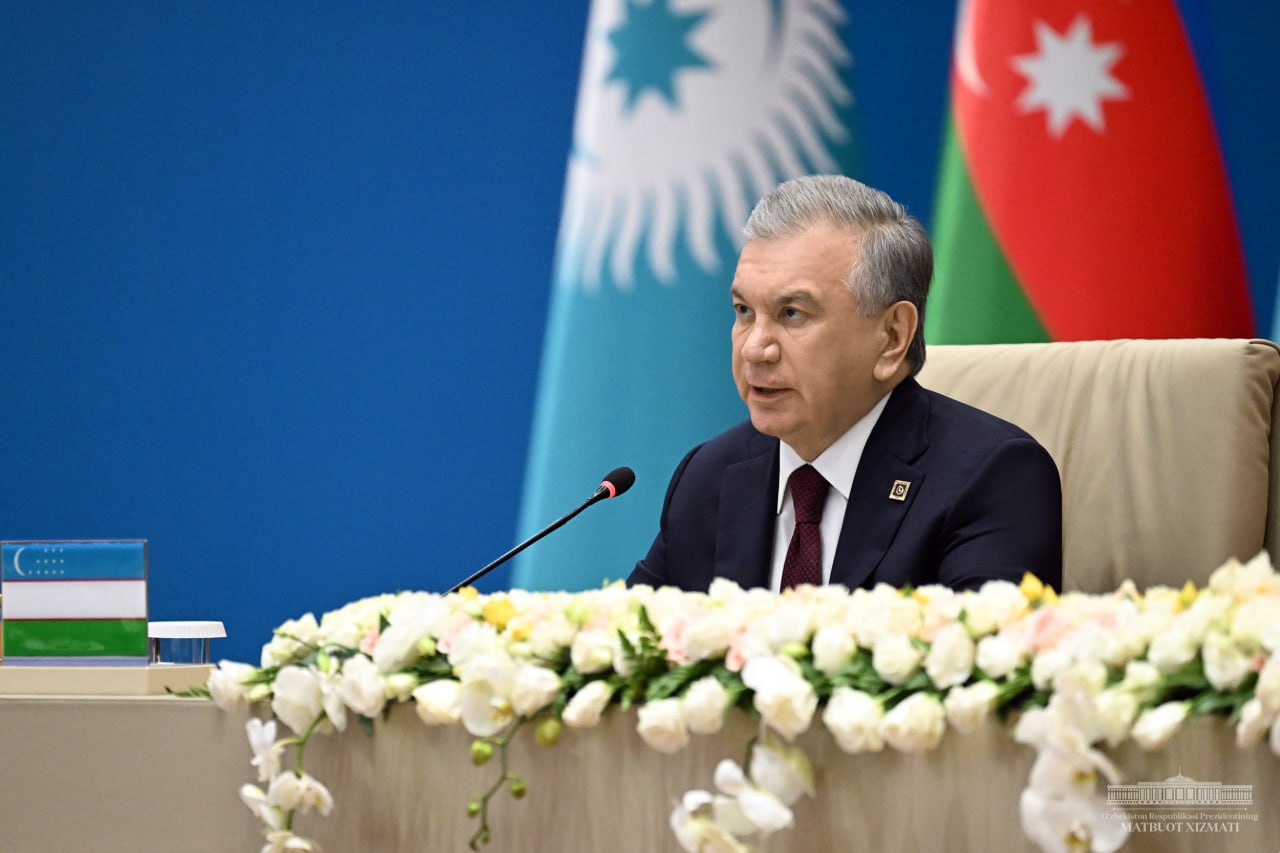
Uzbekistan’s active participation in the Organization of Turkic States (OTS) reflects more than just a geopolitical engagement — it is the revival of a civilizational thread woven through centuries of shared heritage, culture, and aspiration. President Shavkat Mirziyoyev’s arrival in Gabala, Azerbaijan, for the latest OTS Summit marks another chapter in a journey that bridges the past’s spiritual kinship with the future’s pragmatic integration.
At the heart of the OTS lies a philosophy of mutual respect, sovereign equality, and non-interference — principles that position it as a distinctive regional bloc amid today’s turbulent geopolitical order. But for Uzbekistan, membership is more than symbolic. Since joining in 2019, Tashkent has elevated its role from participant to architect, transforming the OTS into a platform of tangible cooperation that resonates with both history and modern necessity.
When Mirziyoyev proposed renaming the organization in 2021, it wasn’t a mere linguistic reform; it was an assertion of identity — a call to awaken the “Turkic Vision 2040” and translate it into policy, commerce, and connectivity. The Samarkand Summit of 2022, held under the banner “A New Era of Turkic Civilization: Towards Common Development and Prosperity”, symbolized this revival. With over a hundred initiatives and a clear roadmap through the OTS Strategy 2022–2026, Uzbekistan positioned itself as a strategic conductor of collective progress.
Mirziyoyev’s leadership within the OTS embodies a blend of economic realism and cultural idealism. His proposal for a Treaty on Strategic Partnership, Eternal Friendship, and Brotherhood represents both a diplomatic and civilizational pledge — one that seeks to institutionalize unity across linguistic and geopolitical frontiers. The President’s emphasis on economic integration, particularly through digital trade platforms like “TURK-TRADE”, demonstrates a pragmatic understanding that cultural solidarity must be underpinned by shared prosperity.
The statistics speak volumes: trade with OTS members reached $10 billion in 2024, nearly 15% of Uzbekistan’s total foreign trade, with Kazakhstan and Türkiye leading the partnership. Meanwhile, the Middle Corridor — a vital artery linking Asia and Europe — has seen a sixfold increase in freight movement since 2020, signaling the bloc’s growing role in global transit and energy connectivity.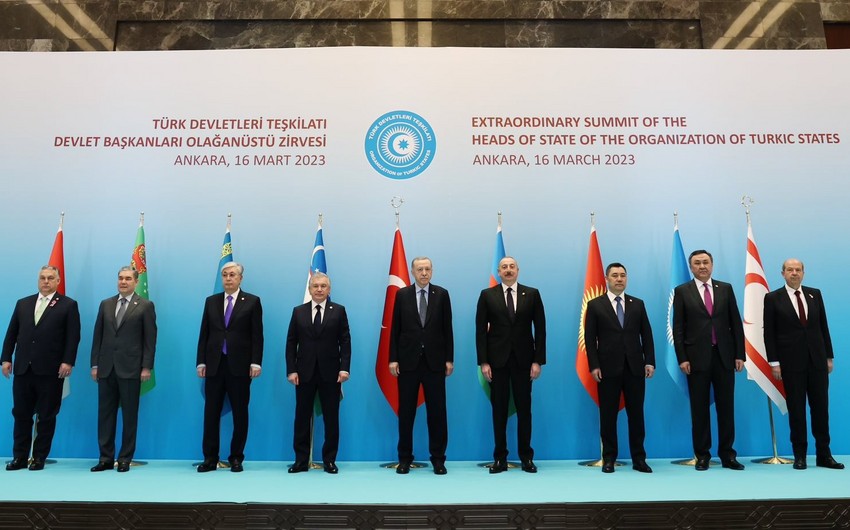
Yet, Uzbekistan’s vision extends beyond trade and transport. Mirziyoyev’s advocacy for cooperation in education, heritage preservation, and environmental protection mirrors his belief in the holistic development of the Turkic world — one where economic ambition harmonizes with cultural renaissance and ecological responsibility.
Amid shifting global dynamics and emerging crises, Mirziyoyev’s diplomacy stands out for its equilibrium between idealism and practicality. His consistent calls for adherence to international law and the UN Charter, and for unity in confronting climate and security challenges, position Uzbekistan as a stabilizing moral force within the Turkic sphere.
As the summit in Gabala unfolds, Uzbekistan’s presence shines as a symbol of continuity and renewal. From the Silk Road to the modern corridors of trade and dialogue, the spirit of Turkic brotherhood finds in Tashkent a beating heart and guiding voice.
The journey of the OTS, much like the flow of the Amu Darya, gathers strength as it unites — and Uzbekistan, through the vision of President Mirziyoyev, ensures that this river of cooperation continues to nourish the future of a shared civilization.