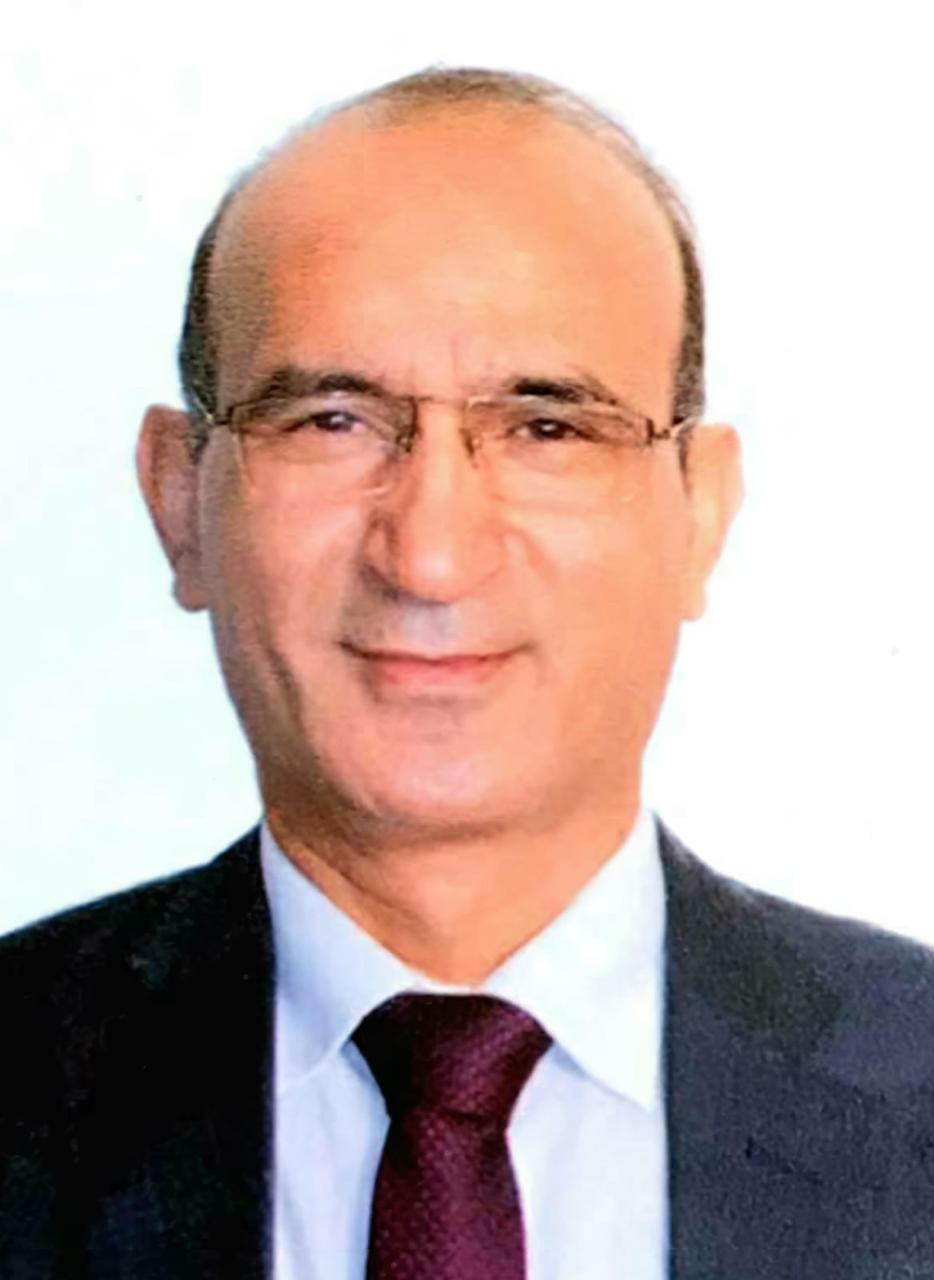
 Salah Gomaah writes ✍️
Some cities pass through your life like a fleeting shadow.
Others walk through you… and never leave.
Gaza, for me, was never merely a place of work; it was an experience that reshaped my soul, a city that entered my heart and anchored itself like a pulse that refuses to fade.
For four full years, from 2000 to 2004, I served as a correspondent for the Middle East News Agency.
I crossed Gaza’s streets as though crossing my own destiny; wandered its camps; lived every tremor of the Second Intifada; and witnessed a people confronting the storm of occupation with bare chests and hearts that only knew how to rise after the fall.
In Gaza, after five long years of waiting, my firstborn Mahmoud came into the world—
as if life itself wanted to bind a part of me to that sacred Palestinian soil forever.
I walked its streets carrying a gratitude I can never repay, a gratitude for a city that taught me the meaning of patience, dignity, and steadfastness.
I saw young men marching toward resistance with faith larger than their years,
women bidding farewell to the martyrs with burning tears and unbowed heads,
children absorbing the meaning of defiance before they even learned to speak.
Gaza, in those days, was the mirror of resilience—a city that turned sorrow into meaning and tears into beginnings.
But what Gaza lived through over the past two years was unlike anything etched in my memory.
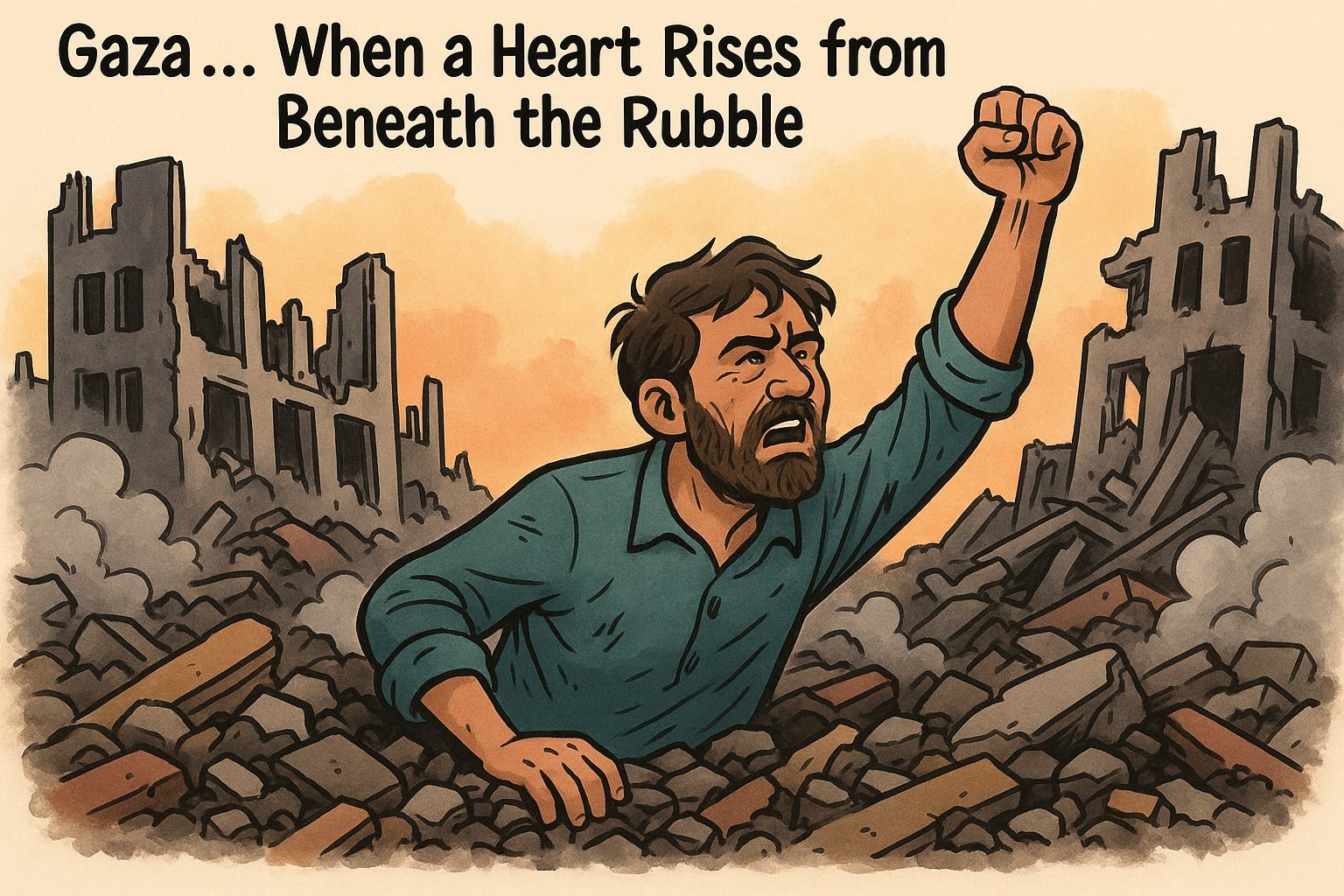
What took place was not a war… but a full-scale annihilation of one of the world’s oldest cities, a city that had resisted erasure for generations.
Two years of relentless bombardment wiped away the Gaza I once knew.
Streets once alive with laughter became lines of ash.
Homes that embraced me with the warmth of their people were reduced to rubble groaning under the weight of destruction.
And yet, the machinery of war failed to demolish what lies deeper than stone.
Gaza’s spirit endured.
It beats in the voices of those who emerged from under the ruins,
in the hands that brush dust off a surviving child,
in the stubborn resolve of a man rebuilding his home for the tenth time,
in the echo of a woman who whispers, “We will return.”
The people I knew twenty years ago—unbroken then—remain unbroken now.
Old Gaza will rise again, and a new Gaza will be born from the rubble—
not as a replica of what was,
but as something fiercer, brighter, nourished by a heart that knows how to create life out of nothing.
If the Second Intifada showed the world the noblest form of human resistance,
then the latest genocidal war proved that Gaza is not a city on a map—
but the beating heart of Palestine, a heart that refuses to stop.
Today Gaza stands alongside the West Bank and Jerusalem in one indivisible equation.
An equation the occupation sees as distant,
and we see as near.
For just as Gaza endured two decades ago,
it endures today to say once more:
willpower outlives destruction, and nations are built on blood, hope, and dignity.
Circumstances may shift, politics may change,
but Gaza remains as I have always known it—
a city that does not bow, a people that do not die,
a geography capable of reshaping the map each time the world attempts to ignore the truth.
The Palestinian people—in Gaza, the West Bank, Jerusalem, and the diaspora—are a people who deserve life as they deserve freedom.
They have never asked for more than a state on the 1967 borders—
a mere 22% of their historic homeland, the land their forefathers lived on for centuries.
And from besieged Gaza, to the West Bank resisting settlement, to Jerusalem defending its identity daily, to the refugee camps guarding the keys of old homes,
the Palestinian remains a testament that dignity may be bombed… but it cannot be killed.