 Chief editor writes
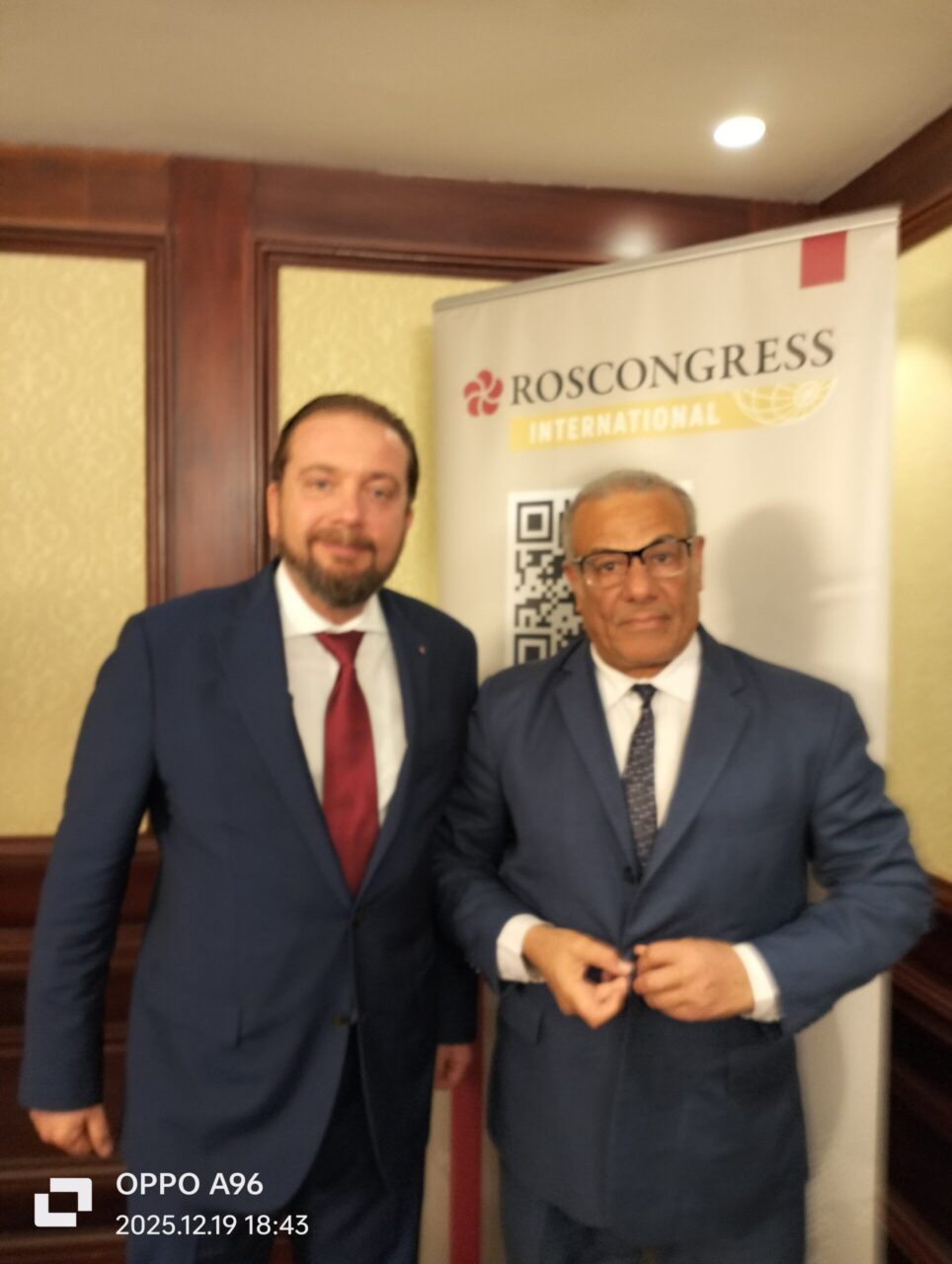
As Egypt prepares to host the Russian–African Conference on December 20, the event emerges as more than a diplomatic gathering—it is a strategic junction where geopolitics, economics, and soft power converge. At the heart of this momentum stands the Roscongress Foundation, led by one of Russia’s most experienced architects of global dialogue, Alexander Stuglev.
1. Egypt as a Strategic Bridge
Egypt’s hosting of the Russian–African Conference is not incidental. Cairo represents a historic and contemporary bridge between Russia and Africa, combining geopolitical weight, regional credibility, and institutional maturity. The choice of Egypt underscores Moscow’s recognition of Africa not merely as a market, but as a partner in shaping multipolar global governance.
2. Roscongress Foundation: More Than an Event Operator
The Roscongress Foundation has evolved into a global platform for influence-building through dialogue. Under its umbrella fall some of the world’s most impactful forums:
- St. Petersburg International Economic Forum (SPIEF)
- Eastern Economic Forum
- Russian Energy Week
- BRICS, SCO, G20, and APEC-related events
Roscongress does not simply organize conferences; it curates global narratives, aligning economic diplomacy with political strategy and cultural presence.
3. Alexander Stuglev: The Engineer of Global Dialogue
With nearly three decades in congress and exhibition leadership, Alexander Stuglev represents institutional continuity and innovation:
- From Executive Director of SPIEF to CEO of Roscongress
- Architect of SPIEF’s rebranding under the Russian Ministry of Economic Development
- Chairman of the National Congress Bureau Association
- Leader in advancing digital platforms for congress and exhibition diplomacy
His leadership style blends precision, scale, and strategic foresight, enabling Roscongress to function as a diplomatic multiplier.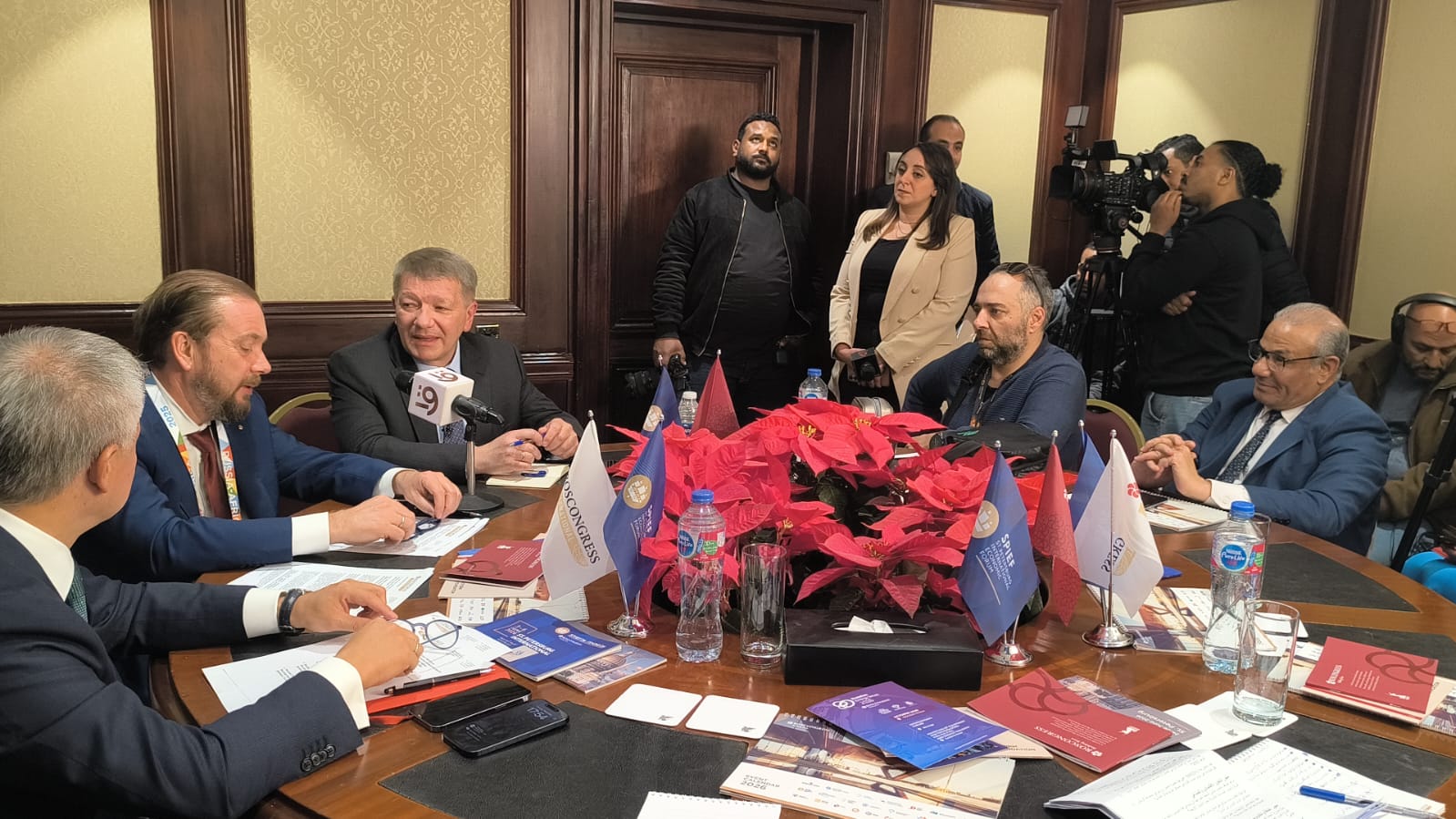
4. Russia–Africa: From Rhetoric to Structured Engagement
The December 20 conference signals a transition:
- From symbolic summits → institutional cooperation
- From bilateral meetings → multilateral African engagement
- From economic outreach → developmental partnership
Trade, energy, infrastructure, digital transformation, and education are expected to dominate the agenda—fields where Russia seeks long-term African partnerships rather than short-term leverage.
5. The Egyptian Dimension
Egypt’s role is pivotal:
- Hosting power
- African voice with Arab reach
- Diplomatic credibility across Global South blocs
Cairo’s engagement amplifies the conference’s legitimacy and positions Egypt as a hub of Russia–Africa strategic dialogue.
Conclusion: When Platforms Become Power
The Russian–African Conference in Egypt is not just another date on the diplomatic calendar. It is a statement of intent—that global influence today is built through platforms, narratives, and sustained engagement.
With Roscongress as the institutional engine and Alexander Stuglev as its strategic conductor, Russia is signaling a clear message:
Africa is not a peripheral partner—it is central to the emerging world order.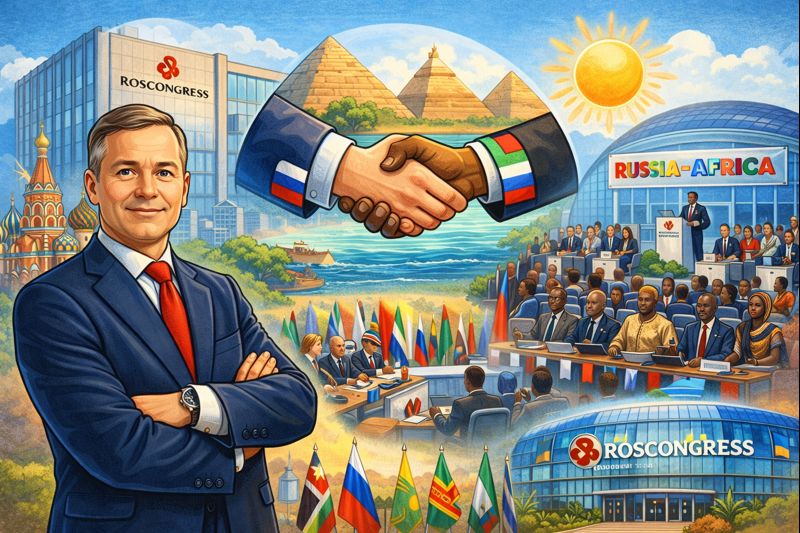
Egypt, once again, becomes the meeting point where rivers of influence converge—this time, not only the Nile, but the currents of global diplomacy itself.