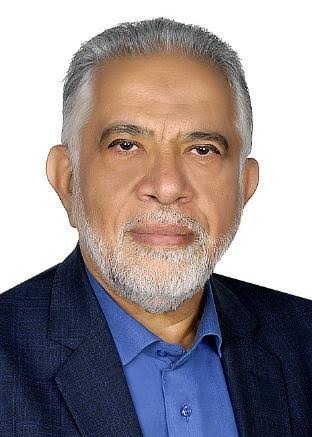
 Dr. M. H. Shojaei Fard writes
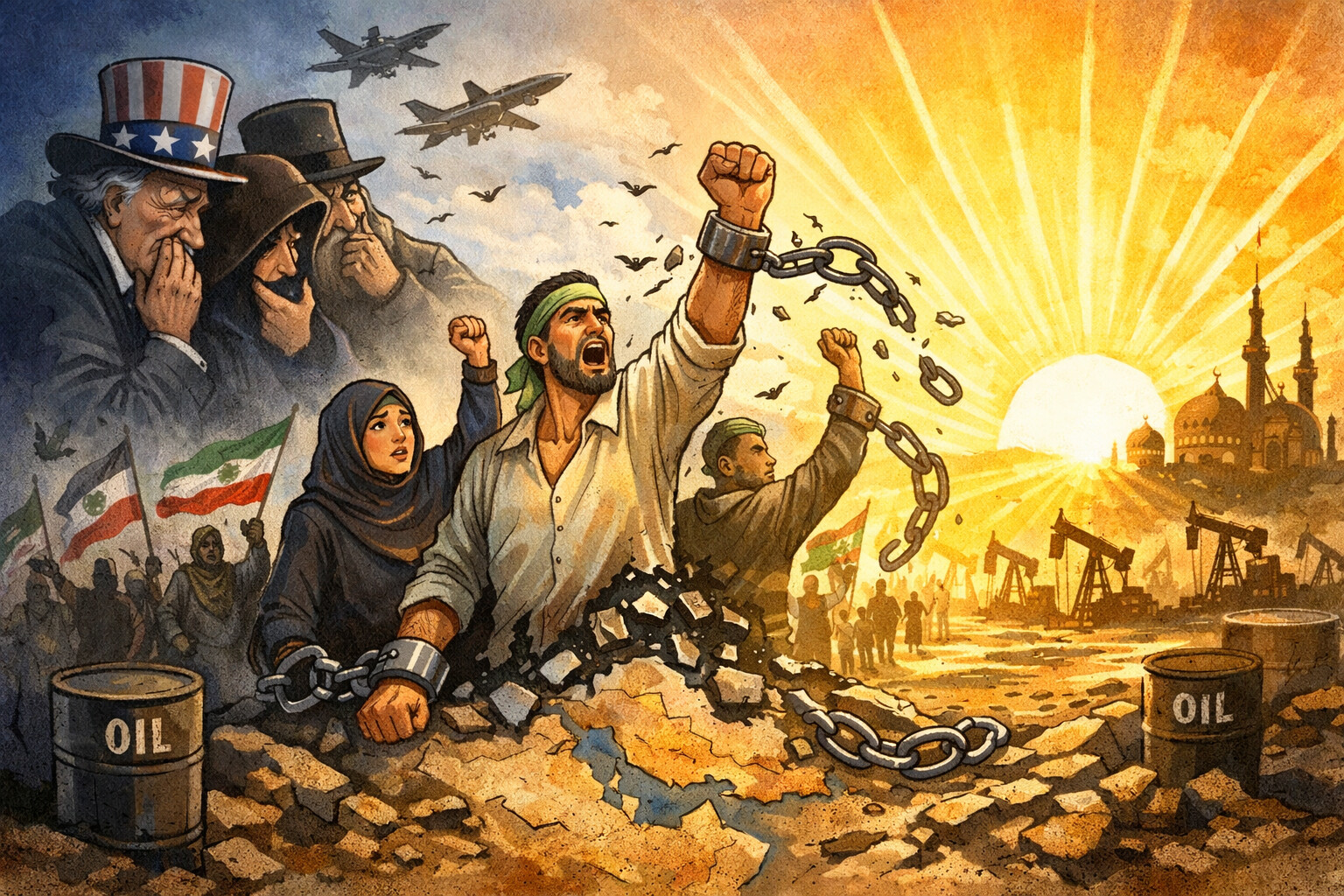
ACROSS Asia and Africa stretch the heartlands of the Muslim world — lands rich in oil, minerals, and strategic corridors that bind continents together. Even those nations lacking vast natural wealth occupy geopolitical positions so vital that global powers have long fought to control them.
Among these states, the Islamic Republic of Iran stands as a unique convergence of resources, geography, and population — a nation whose independence has repeatedly challenged imperial designs.
From the age of British colonial rule to America’s modern quest for energy dominance, Western strategy has rarely changed. Its doctrine remains simple and ruthless: divide strong nations, weaken resistance, and rule through dependency.
So long as governments served as obedient channels for wealth extraction, they were protected. But whenever a people sought sovereignty — choosing to invest their resources in national dignity and social welfare — they were met with coups, wars, sanctions, and fragmentation.
Iran’s modern history offers a stark example. When Prime Minister Mohammad Mossadegh nationalized the country’s oil with popular backing, he was swiftly removed by a Western-engineered coup. For decades afterward, Iran’s political destiny remained under foreign influence.
Everything shifted in 1979.
The Islamic Revolution did more than change a government — it ignited a political awakening across the Muslim world. From its earliest days, Washington recognized its danger: not in weapons, but in inspiration. What followed were sabotage campaigns, internal unrest, and ultimately an eight-year war imposed through Saddam Hussein with full Western and regional backing.
Iran survived — and emerged stronger.
In the decades that followed, the country achieved remarkable growth in science, industry, medicine, defense technology, and non-oil exports. By 2024, international rankings placed Iran among the world’s leading nations in multiple technological sectors.
For the West, this success was intolerable.
A self-reliant Islamic state represented a model others might follow.
Thus began cycles of engineered instability — riots, media warfare, economic pressure, and covert operations — each attempt failing in turn. When internal chaos proved insufficient, enemies turned to direct confrontation: assassinations of scientists and officials, military attacks, and large-scale destabilization efforts.
Even this collapsed.
Iran’s advanced missile systems and low-cost drone technology shocked adversaries who had once dismissed them as fiction. After days of confrontation, U.S. and Israeli officials sought ceasefire through mediators — a rare admission of strategic failure.
When warfare failed, covert chaos returned.
Under the guise of peaceful economic protests, organized violence swept across hundreds of Iranian cities. Thousands of civilians and security personnel were killed in brutal attacks. Mosques burned. Schools were destroyed. Ambulances were torched. Qur’ans were desecrated.
Yet within days, mass public mobilization — tens of millions across the country — restored stability.
A Message to the Islamic World’s Leadership
The lesson is clear.
Do not be seduced by the vocabulary of empire:
human rights, democracy, freedom, international law.
Look to Palestine.
To Lebanon.
To Libya, Syria, Iraq, and Venezuela.
Which international order protected them?
The collapse of Iran is not an isolated goal — it is viewed as the gateway to dominating the broader Islamic world: from Turkey and Azerbaijan to Egypt, Pakistan, Indonesia, Malaysia, Morocco, and Algeria.
The responsibility of Muslim intellectuals, policymakers, and media leaders is urgent:
to awaken their societies before the same blueprint is applied to their nations.
The Rising Dawn
Despite every conspiracy, resistance continues to expand.
Hamas evolved from a social movement into a central force of Palestinian resistance.
Lebanon’s resistance endures despite heavy sacrifices.
In Iraq, pro-resistance movements now shape parliamentary power.
History is shifting — not toward submission, but toward sovereignty.
Is the dawn not near?
* The writer:
A distinguished Professor of Mechanical Engineering, Iran University of Science and Technology
Senior Fellow of the Institution of Mechanical Engineers (UK)
Author of 30 books and nearly 300 international scientific publications