Ashraf AboArafe
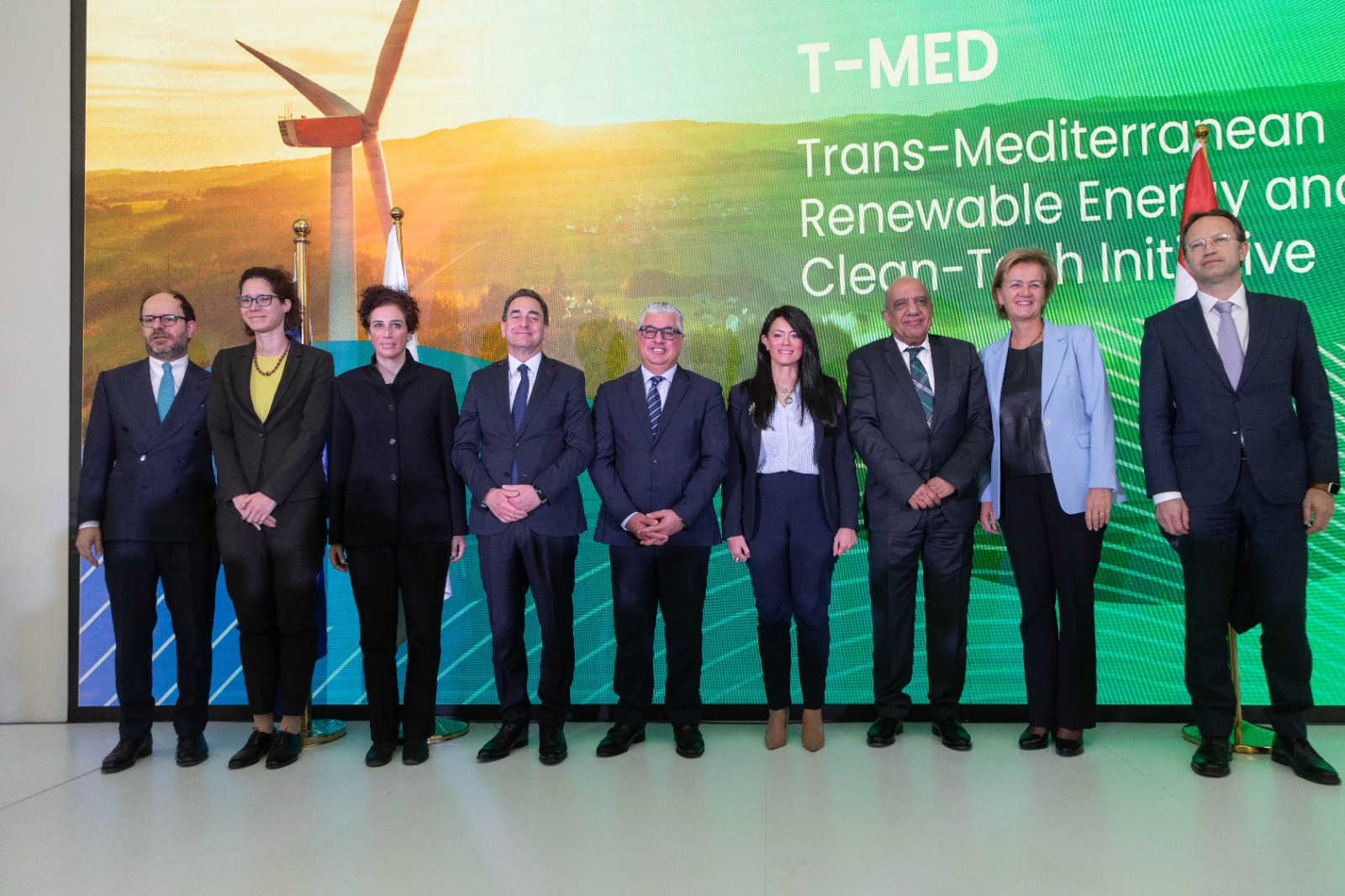
At a pivotal moment where climate ambition converges with economic strategy, the Delegation of the European Union to Egypt, in cooperation with the Government of the Arab Republic of Egypt, hosted a landmark conference titled “Sustainable Energy Horizons in Egypt 2040: Cooperation for Shared Prosperity.”
The gathering underscored a clear message: the green transition is no longer a distant aspiration, but a strategic pathway accelerating with tangible commitments.
Senior officials, European partners, international financial institutions, and industry experts convened to explore the core pillars of Egypt’s Energy Strategy 2040. Discussions focused on renewable energy expansion, green hydrogen development, electricity grid modernization, gas sector transformation, and investment strategies under the EU Pact for the Mediterranean and the Trans-Mediterranean Energy and Clean Technology Cooperation Initiative (T-MED).
Strategic Investments for a Green Infrastructure
A central highlight of the conference was the announcement of contract negotiations for two flagship projects:
- Modernization of Egypt’s Electricity Transmission Network
- Green Hydrogen Development in Egypt
The announcement, made in the presence of Egyptian ministers, EU representatives, and the European Investment Bank, reflected the depth of the strategic energy partnership between Egypt and Europe.
The European Union unveiled an investment grant of up to €90 million to support the modernization and expansion of Egypt’s electricity grid. The funding will enhance the grid’s capacity to absorb renewable energy and support Egypt’s goal of generating 22 gigawatts of renewable energy by 2030.
In parallel, the EU and the European Investment Bank pledged €34.3 million toward Egypt’s green hydrogen project—reinforcing Egypt’s emerging leadership in the sector and strengthening its role as a regional clean energy hub.
A Partnership Beyond Financing
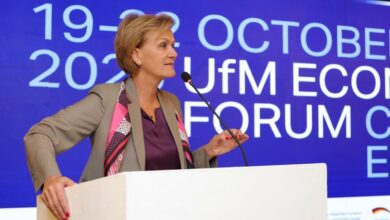
Angelina Eichhorst, EU Ambassador to Egypt, emphasized the joint effort to build a comprehensive strategic framework, describing Egypt as not merely a participant in the Mediterranean transition—but a cornerstone of it.
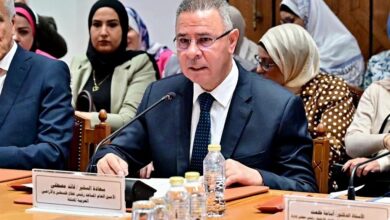
Guido Clari, Head of the Regional Hub for North Africa and the Near East at the European Investment Bank, reaffirmed the Bank’s commitment to supporting Egypt’s ambitious transition toward a more sustainable, secure, and future-oriented energy system. He noted that investments in transmission infrastructure and innovative projects such as green ammonia production will enable large-scale renewable integration and solidify Egypt’s position as a regional clean energy hub.
These initiatives, he added, align with the EU’s Global Gateway strategy and the T-MED initiative, demonstrating the EIB’s long-term commitment to mobilizing finance and expertise to accelerate the green transition and deliver tangible benefits to citizens and businesses across Egypt.
Toward 2040: A Shared Horizon
The conference concluded with a call to intensify regional cooperation, expand technology transfer, and scale up investment flows to achieve Egypt’s Energy Vision 2040—further strengthening the strategic partnership between Cairo and Brussels for a sustainable and prosperous future.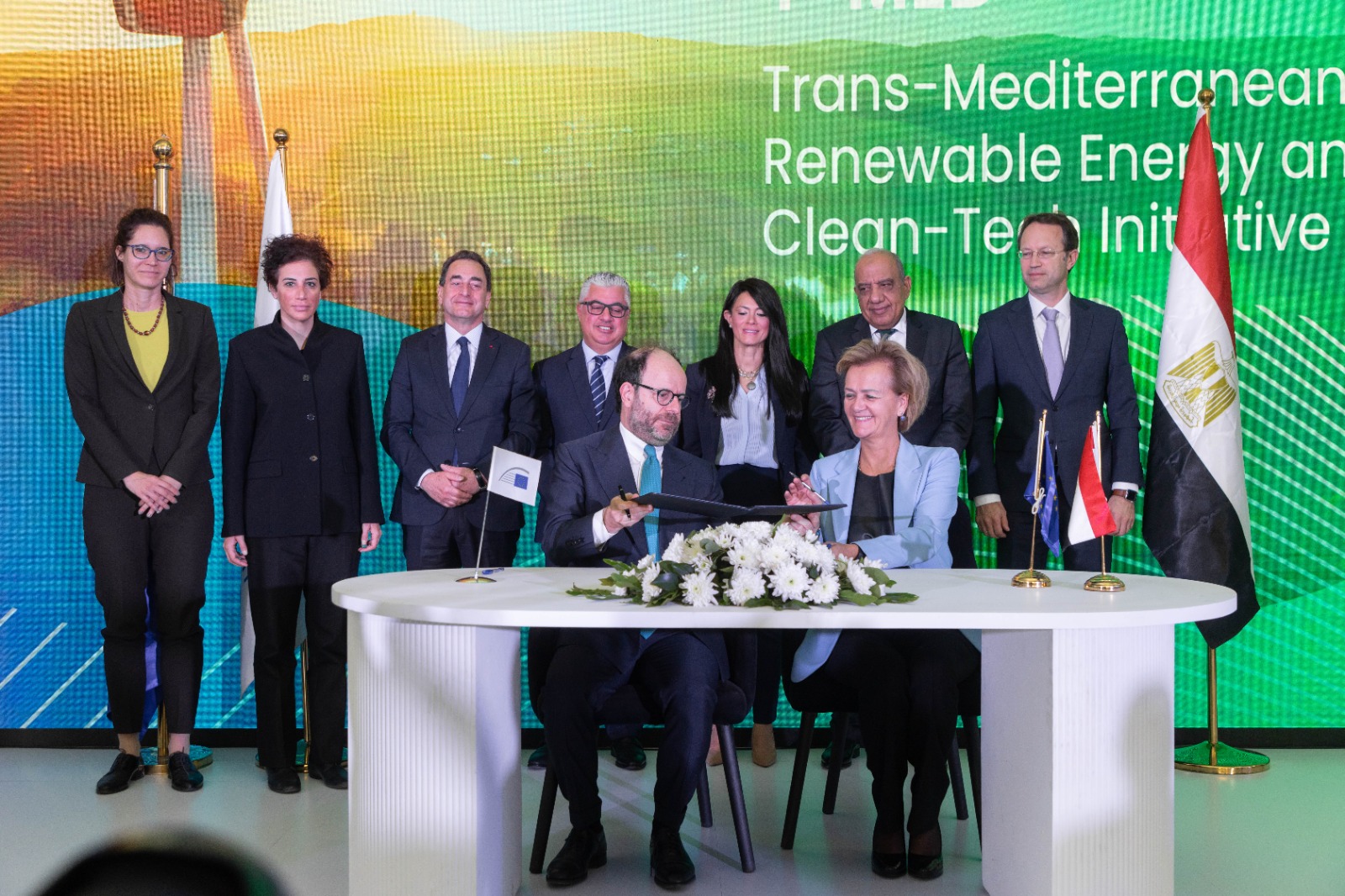
In an era defined by climate urgency, Egypt appears to be redrawing its energy map—where the sun becomes an economic partner, the wind a sovereign investment, and the Mediterranean a bridge carrying clean energy from south to north.