Ashraf AboArafe
As the Spring Festival draws near and the spirit of celebration begins to bloom across the country, museums throughout China have unveiled a vibrant series of programs inspired by the festival’s time-honored traditions. These initiatives do more than simply adorn cultural spaces with festive charm; they transform museums into living stages where history, ritual, and community converge.
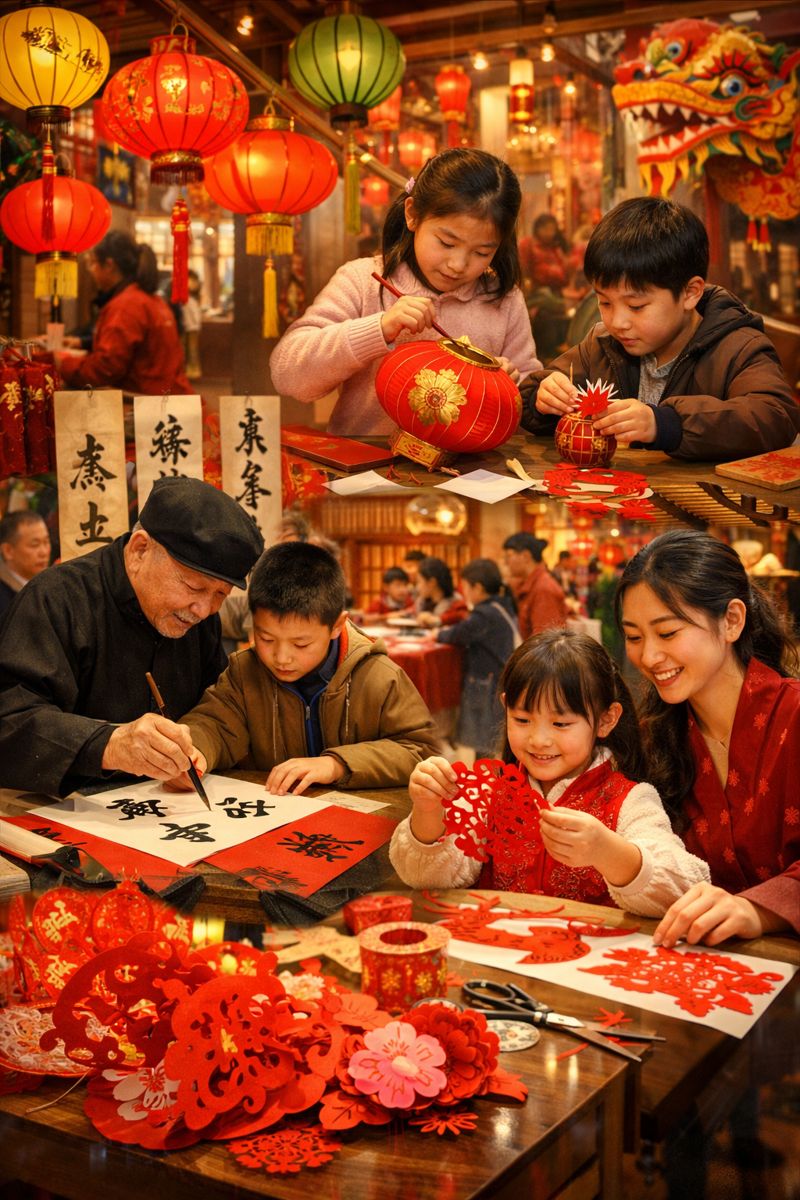
From lantern-making workshops and traditional calligraphy sessions to folk music performances and hands-on craft demonstrations, these activities invite visitors to engage directly with the customs that have shaped generations. Children and adults alike are encouraged not merely to observe heritage, but to participate in it—tracing brushstrokes, folding paper cuttings, tasting seasonal delicacies, and listening to the stories embedded in ancient practices.
In doing so, museums have reimagined their role. No longer confined to silent exhibition halls, they have become dynamic cultural bridges connecting the intangible heritage of the past with the rhythm of contemporary life. Through interactive design and creative presentation, traditions once confined to rural villages or family courtyards now resonate within modern urban settings, accessible to diverse audiences.
These festive programs reflect a broader cultural commitment: preserving intangible cultural heritage not as a static relic, but as a living, evolving expression of identity. By blending celebration with education, and nostalgia with innovation, China’s museums ensure that the customs of the Spring Festival continue to thrive—renewed each year like the season itself, carrying forward the collective memory of a nation into the promise of spring.