Ashraf AboArafe
THE evolving relationship between Uzbekistan and Tajikistan represents more than a conventional bilateral partnership; it is a rediscovery of shared history translated into modern strategic alignment. Deep cultural ties, linguistic proximity, and centuries of coexistence form a durable foundation for a forward-looking alliance.
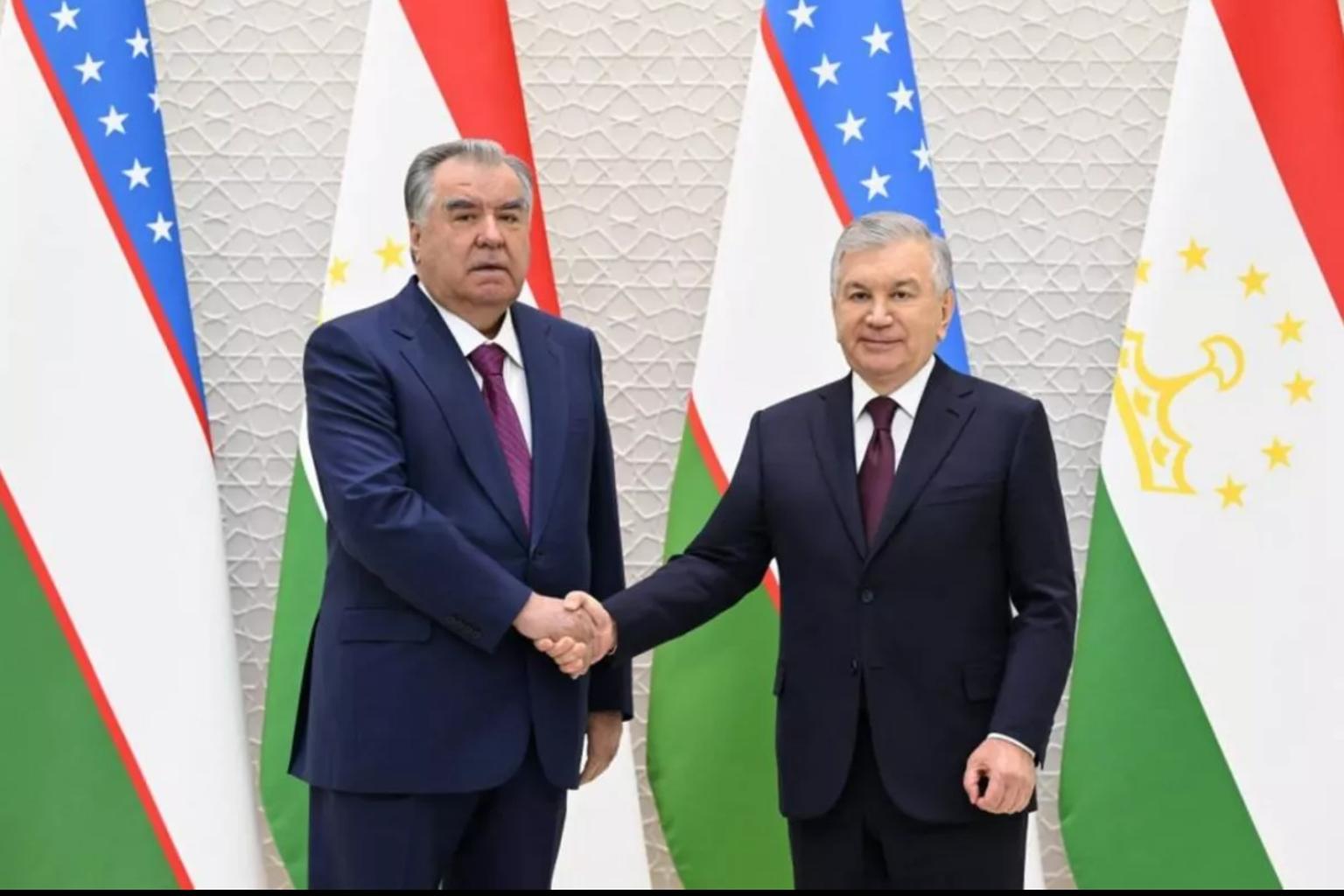
At the political level, sustained engagement between leaders—particularly Shavkat Mirziyoyev and Emomali Rahmon—signals a transition from cautious diplomacy to proactive cooperation. The increasing frequency of high-level visits since 2018 reflects a deliberate effort to institutionalize trust and deepen coordination. These interactions are further reinforced through multilateral platforms such as the Commonwealth of Independent States and the Shanghai Cooperation Organization, where both states align regional priorities with broader geopolitical frameworks.
A defining achievement in recent years is the progress in border diplomacy. The trilateral agreement with Kyrgyzstan in 2025 marks a historic breakthrough, transforming long-standing disputes into cooperative arrangements. This shift redefines borders as zones of connection rather than division, laying the groundwork for sustainable regional stability.
Economic cooperation has entered a phase of measurable expansion. The significant growth in trade volume reflects increasing interdependence and diversification. Uzbekistan’s industrial capacity complements Tajikistan’s resource-based sectors, creating a balanced economic relationship. At the same time, rising cross-investment and joint ventures indicate strengthening confidence between business communities in both countries.
Infrastructure and connectivity play a central role in this transformation. The restoration of railway links, expansion of road networks, and increased air connectivity are not merely technical developments; they are strategic tools that enhance regional integration. By strengthening transport corridors, both countries position themselves as key connectors within Central Asia and beyond.
Energy collaboration further highlights a pragmatic approach to shared challenges. Cooperation in water management and electricity exchange reflects an understanding of mutual dependence, particularly in a region facing environmental pressures and resource constraints. This cooperative model contributes to long-term sustainability and regional resilience.
Equally significant is the cultural and humanitarian dimension of the partnership. The presence of a strong Tajik community in Uzbekistan, the expansion of Tajik-language education, and continuous cultural exchanges demonstrate that this relationship extends beyond formal agreements. It is rooted in people-to-people connections that reinforce mutual understanding and social cohesion.
In conclusion, the partnership between Uzbekistan and Tajikistan reflects a broader regional transformation—from fragmentation toward integration. The upcoming summit is not merely a diplomatic event but a continuation of a long-term strategic trajectory. It embodies a shared vision in which historical ties are leveraged to build a stable, cooperative, and interconnected future.