Ashraf AboArafe writes
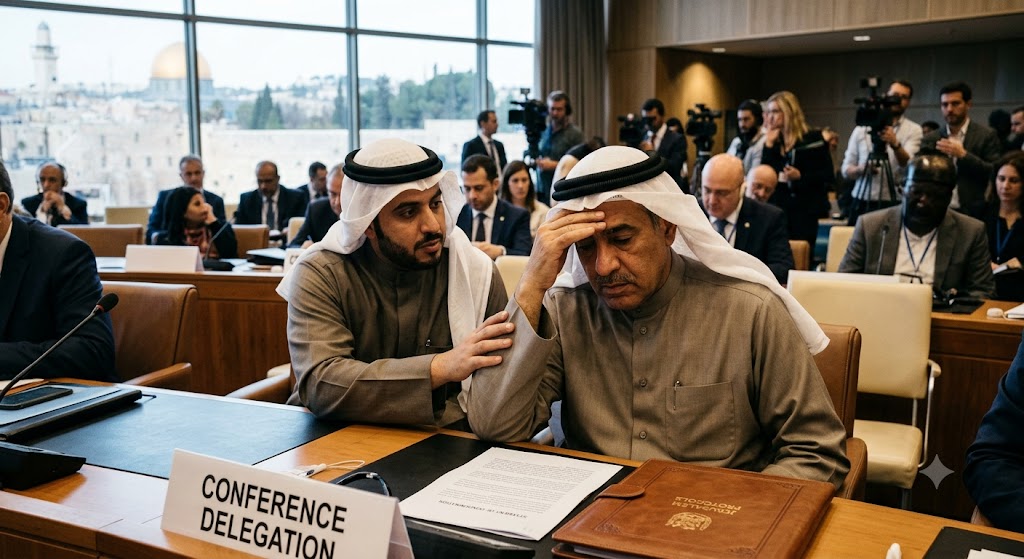
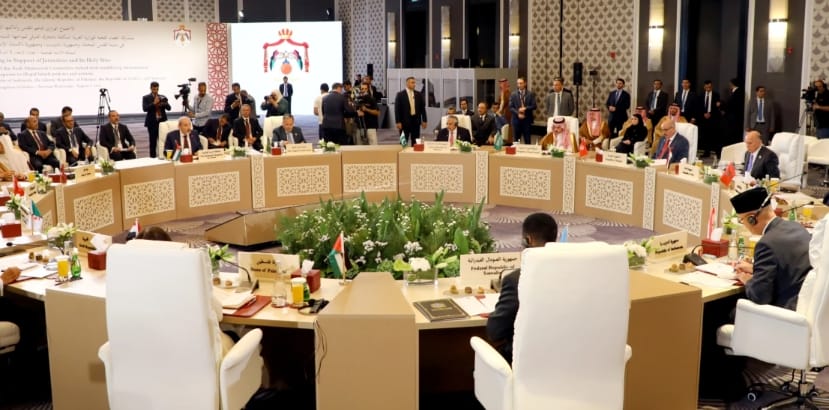
WITH every settlement escalation in occupied Jerusalem, Arab and Islamic ministerial meetings turn into a stage for repeating the exhausted political vocabulary that has been worn out over decades of use. The statements issued during the meeting of Arab and Islamic Foreign Ministers reflect an extended pattern of contexts of denunciation and warning, highlighting the stark gap between the precise political diagnosis of the nature of Israeli violations and the absent executive tools to deal with the city’s bitter reality.
Structural Critique of Statements of Condemnation and Warning
A reading of the statements issued by the participating ministers and officials shows a continued reliance on a triad: Diagnosis, Warning, and Appeal:
-
Diagnosis Without Deterrent Tools: Statements issued across all participating nations without exception agree that current actions constitute a direct infringement on the historical and legal status quo, attempts at the temporal and spatial division of Al-Aqsa, and the Judaization of the city. However, despite the strategic danger of the Israeli plan, responses remain confined to verbal rhetoric without associated pressuring alternatives.
-
Appeals for International Intervention: Statements from participating delegations repeatedly call on the international community and UN organizations to step in. This reliance faces a concrete reality: the paralysis of international law enforcement mechanisms and repeated vetoes, rendering appeals abroad a political discharge of liability rather than an actionable plan.
-
Warning Rhetoric of “Escalating Out of Control”: Most statements utilize warning language regarding sliding deeper into conflict or situations spiraling out of control. The issue with this approach is that the occupation treats these warnings as general verbal boundaries that carry no direct political or diplomatic cost.
Analysis of Proposed Field and Geopolitical Alternatives
Faced with the declining effectiveness of the official system and the worsening bitter reality in Jerusalem, radical proposals emerge in the public sphere calling for fundamental shifts in regional alliances and strategies:
1. Reevaluating Peace Accords and Ending Alliances
Radical perspectives advocate for the necessity of canceling existing peace treaties (such as Camp David, Wadi Araba, and the Abraham Accords) and treating the occupation’s crimes as grounds for their annulment.
-
Political Reading: Although canceling agreements represents a major strategic pressure point, the official Arab system treats these accords as elements of geopolitical and security balance linked to multiple regional files rather than mere procedural cards. Consequently, brandishing their termination remains subject to the calculated complexities of each individual state.
2. Shifting Toward an Alternative Regional Alliance and Comprehensive Military Action
Some suggest that regional states (such as Gulf countries) abandon Western partnerships in favor of advocating a comprehensive war led by Iran.
3. Supporting Popular Resistance and Political Movement Volunteering
Public discourse includes demands to open volunteering doors, support resistance factions (such as Hamas, Islamic Jihad, and national movement factions), and re-arm fronts in a manner mirroring the field-arming policies applied to settlers.
-
Political Reading: Official policies strictly restrict this option due to concerns regarding internal political stability, international designations of certain factions, and avoiding economic and political sanctions that might be imposed by Western powers. This divergence between popular desire for direct support and official caution represents one of the largest political willpower gaps in the region.
4. The “Extremism to Confront Jerusalem’s Bitter Reality” Thesis: Islamist Groups and Ideological Confrontation
Another current in popular and radical discourse tilts toward explicit ideological mobilization and adopting a strategy of counter-radicalization by relying on Islamist groups as the primary instrument of confrontation, under the maxim “only iron cuts iron.”
-
Political Reading: This argument is viewed as reflecting a state of enduring frustration with diplomatic and legal avenues. However, adopting a strategy of counter-extremism carries clear complexities; framing the struggle as a closed ideological conflict strips the issue of its international legal and human rights dimension, handing international actors additional justifications to reframe the conflict as “terrorism” rather than a struggle against illegal occupation. Furthermore, pursuing this option directly conflicts with national security priorities of regional states and their concerns over losing control to non-state actors.
Conclusion
The danger of the current phase lies not only in the unilateral measures imposed by the occupation in occupied Jerusalem, but in the political state of habituation to statements issued by Arab and Islamic decision-making bodies. The absence of agreement on a unified strategy combining diplomatic pressure, the utilization of economic and political leverage, and supporting field resilience leaves the situation hostage to Israel’s policy of creating facts on the ground, further deepening the gap between official rhetoric and popular expectations.