Ashraf AboArafe
AT the crossroads of Egyptian and Uzbek civilizations, Ambassador Mansurbek Kilichev envisions a new Silk Road woven with the threads of spiritual discovery, historical richness, and tourism cooperation.
From Al-Azhar in Cairo to the legacy of Imam al-Bukhari in Uzbekistan, enduring bonds of friendship connect Cairo and Tashkent, transforming shared heritage into a journey of cultural understanding, partnership, and peace.
Ambassador Mansurbek Kilichev: Uzbekistan and Egypt Weave a Silk Road of Spirituality and Tourism
Uzbekistan and Egypt Explore a New Tourism Bridge Linking Al-Azhar to Imam al-Bukhari
CAIRO, October 13, 2026 — Beneath the shared melodies of the national anthems of Uzbekistan and Egypt, a vision of friendship, faith, and cultural discovery took center stage as the two countries explored new horizons for tourism cooperation, bringing their historic ties into a promising new chapter.
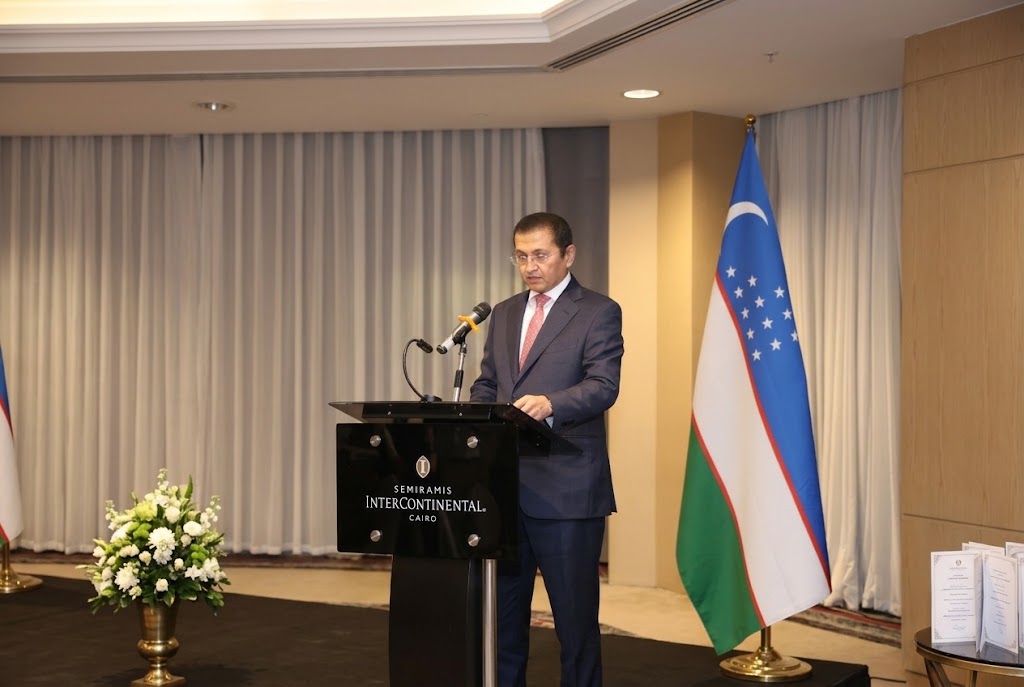
Addressing a forum dedicated to strengthening tourism cooperation between Uzbekistan and Egypt, H.E. Mansurbek Kilichev, Ambassador of the Republic of Uzbekistan to the Arab Republic of Egypt, welcomed distinguished guests, government representatives, students, tourism professionals, and business leaders. He emphasized the growing momentum in bilateral relations and the shared determination to transform historical and spiritual bonds into tangible opportunities for cooperation.
The ambassador opened by expressing his sincere appreciation to Egyptian partners, the National Tourism Association, and all organizations involved in arranging the event. He described the gathering as a reflection of the two countries’ common commitment to expanding tourism, a sector with significant potential to deepen people-to-people contacts and broaden economic and cultural exchange.
Tourism: A Bridge from Shared Heritage to Shared Prosperity
In his address, Ambassador Kilichev highlighted Uzbekistan’s efforts to modernize tourism infrastructure, preserve its rich cultural heritage, and facilitate international travel. He pointed to the introduction of an electronic visa system for Egyptian citizens and citizens of nine other countries, presenting the initiative as a step toward creating new opportunities for tourism, business, and cultural interaction.
The ambassador’s remarks underscored a broader understanding of tourism: it is not simply about visiting destinations, but about bringing people closer to the histories, traditions, and values that connect nations.
For Egypt and Uzbekistan, this approach draws strength from a remarkable common heritage. Egypt is home to Al-Azhar, one of the world’s most prominent centers of Islamic learning, while Uzbekistan is the homeland of distinguished Islamic scholars, including Imam al-Bukhari, whose legacy continues to resonate across the Muslim world.
These shared foundations give particular significance to the concept of Umrah Plus tourism—an approach that combines religious journeys with wider cultural and historical exploration.
From Al-Azhar to Imam al-Bukhari: A Journey of Knowledge and Faith
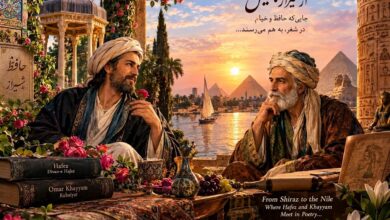
One of the most compelling ideas raised during the address was the possibility of developing a tourism route symbolically linking Al-Azhar in Cairo with the legacy of Imam al-Bukhari in Uzbekistan.
Such a route could connect two important landmarks of Islamic scholarship while offering visitors an opportunity to explore the historical, intellectual, and spiritual contributions of both civilizations.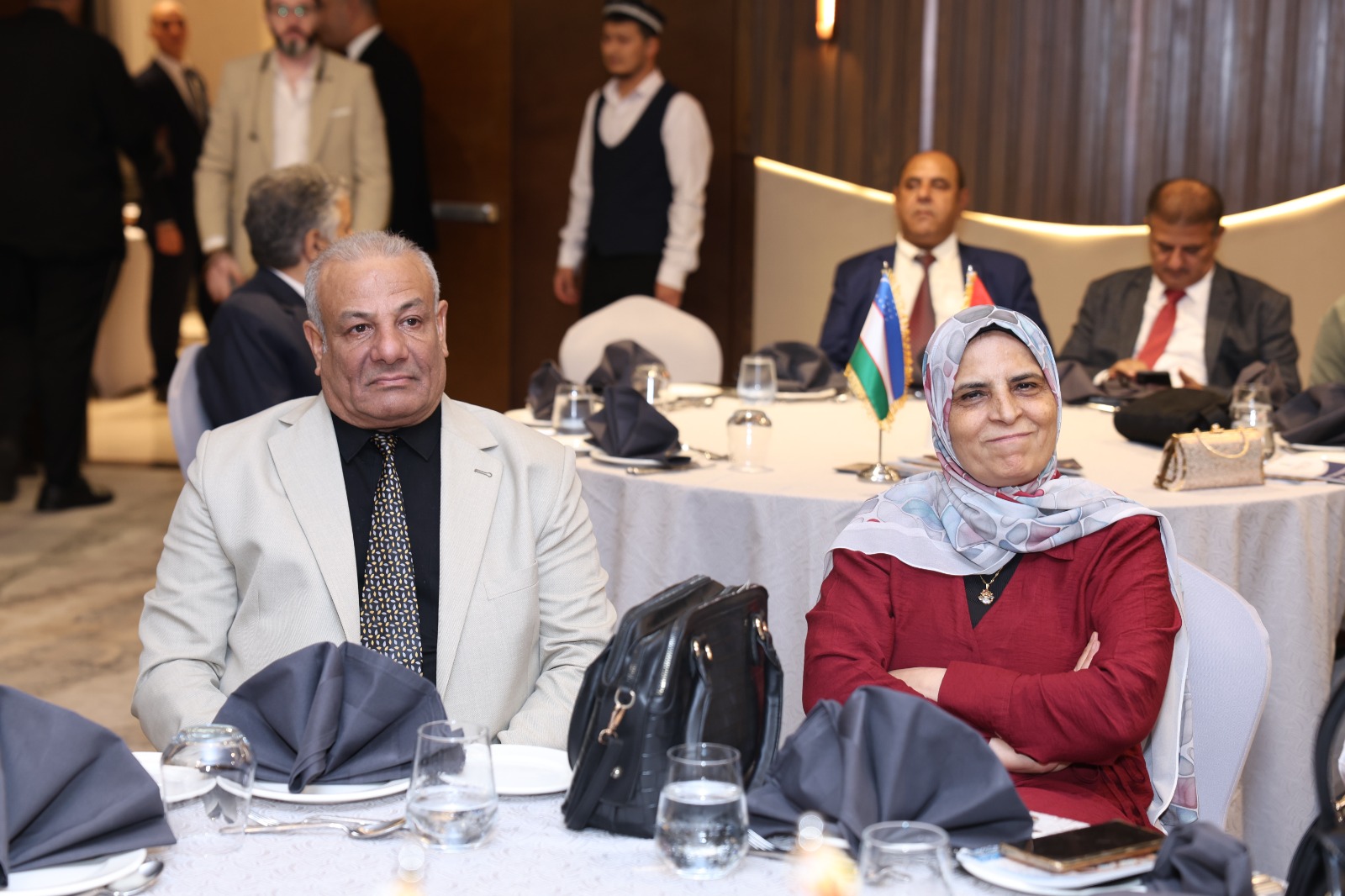
For Egyptian travelers, Uzbekistan offers a journey through cities whose names evoke centuries of learning, architecture, commerce, and cultural exchange. The ambassador warmly invited Egyptians to discover Samarkand, Bukhara, Khiva, and Tashkent—destinations that combine historic monuments, spiritual landmarks, vibrant traditions, and the renowned hospitality of the Uzbek people.
The proposed concept could also encourage tourism operators in both countries to develop integrated itineraries, connecting religious and cultural tourism with educational programs, heritage visits, and broader travel experiences.
The vision is clear: to transform shared Islamic heritage into a living bridge between peoples, linking the scholarly traditions of Cairo with the historic centers of Central Asia.
Cairo 2027: A New Horizon for Tourism Partnerships
Ambassador Kilichev also welcomed the initiative to organize a major international tourism exhibition in Cairo in 2027 under the auspices of the Umrah Plus International Tourism Association.
The proposed exhibition could provide a platform for tourism stakeholders from Uzbekistan and Egypt to explore partnerships, exchange expertise, promote destinations, and develop new products for international travelers.
The participation of government representatives, tour operators, airlines, hospitality businesses, and investors at the forum reflected the range of sectors that could contribute to expanding bilateral tourism cooperation.
Turning this potential into measurable results will depend on practical arrangements, including stronger connectivity, coordinated promotion, attractive travel packages, and closer cooperation between tourism institutions and private-sector businesses.
The 2027 exhibition could therefore become an important opportunity to translate dialogue into partnerships and mutual interest into concrete projects.
A Silk Road of Friendship Between Two Civilizations
The significance of Uzbekistan–Egypt tourism cooperation extends beyond visitor numbers and commercial returns. It lies in the opportunity to reconnect two civilizations whose histories have contributed profoundly to human knowledge, religious scholarship, architecture, and cultural development.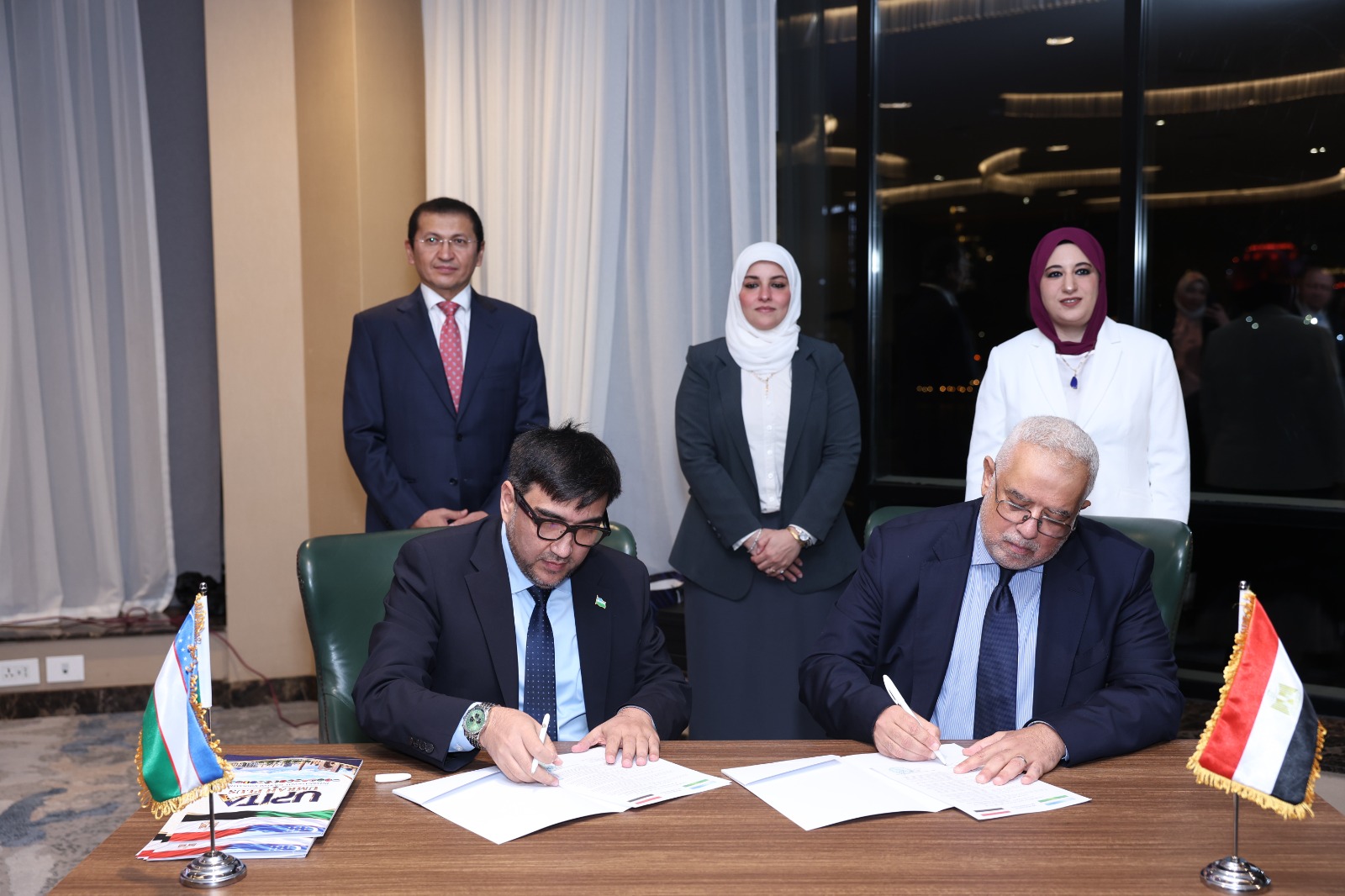
Egypt’s historic mosques, educational institutions, and ancient monuments offer Uzbek visitors a distinctive window into the Arab and African worlds. Uzbekistan’s architectural treasures, historic cities, and Islamic scholarly heritage offer Egyptians a gateway to the cultural crossroads of Central Asia.
Tourism can become a meeting point for diplomacy, education, investment, and mutual understanding, allowing the citizens of both countries to discover one another beyond official encounters and diplomatic declarations.
The proposed connection between Al-Azhar and Imam al-Bukhari captures this aspiration in a particularly meaningful way: knowledge crossing borders, heritage inspiring discovery, and faith opening doors to cultural understanding.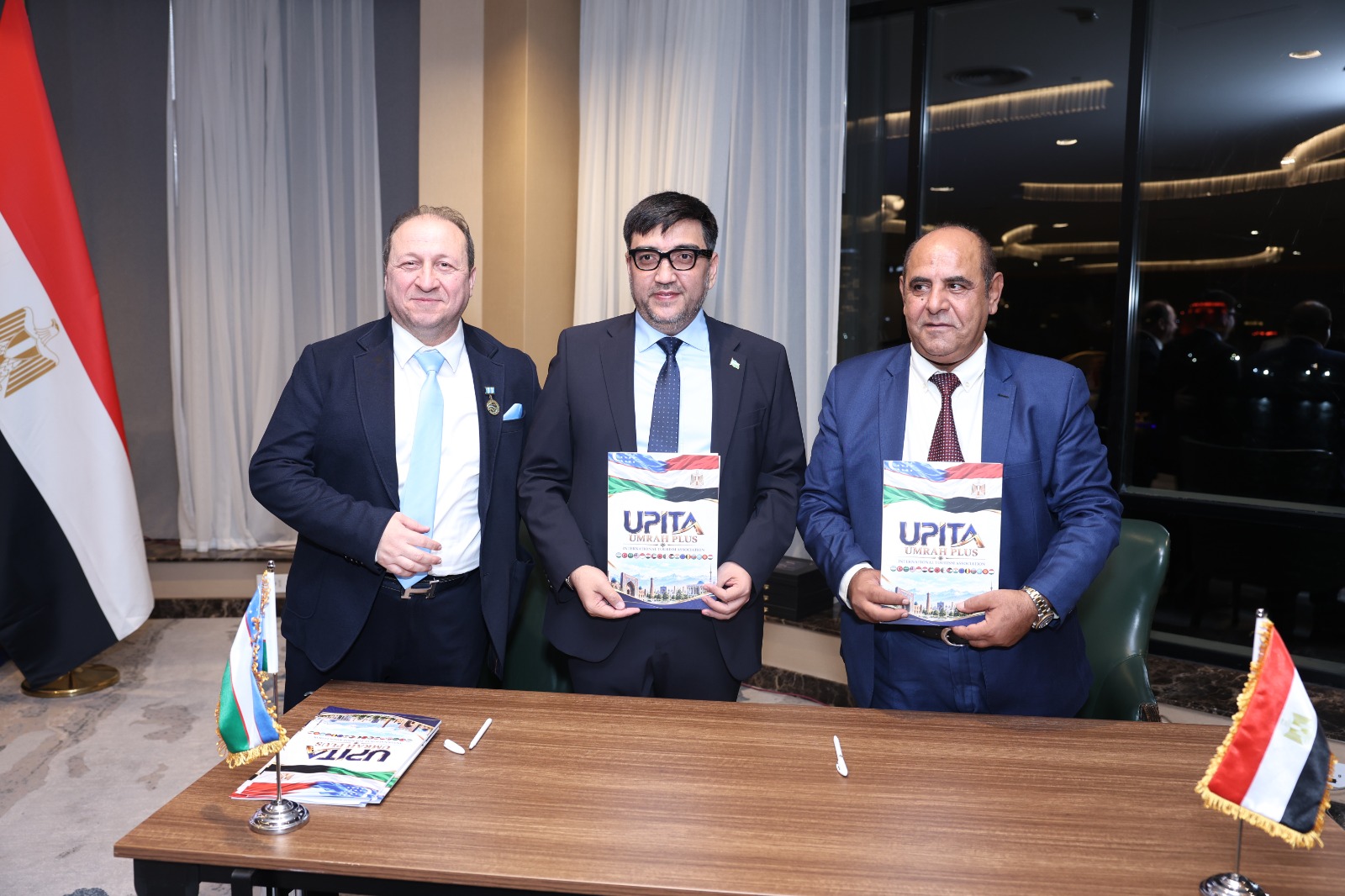
Conclusion: From Diplomatic Friendship to Lasting Human Connections
The forum addressed by Ambassador Mansurbek Kilichev represents an opportunity to turn longstanding friendship into a more dynamic partnership built on tourism, cultural exchange, and shared heritage.
From Cairo to Samarkand, from the scholarly legacy of Al-Azhar to the enduring heritage of Imam al-Bukhari, Egypt and Uzbekistan possess a rich foundation upon which to build a more connected tourism future.
The proposed spiritual and cultural route could become a distinctive expression of this partnership, bringing together religious learning, historical exploration, and the hospitality of two nations with deep civilizational roots.
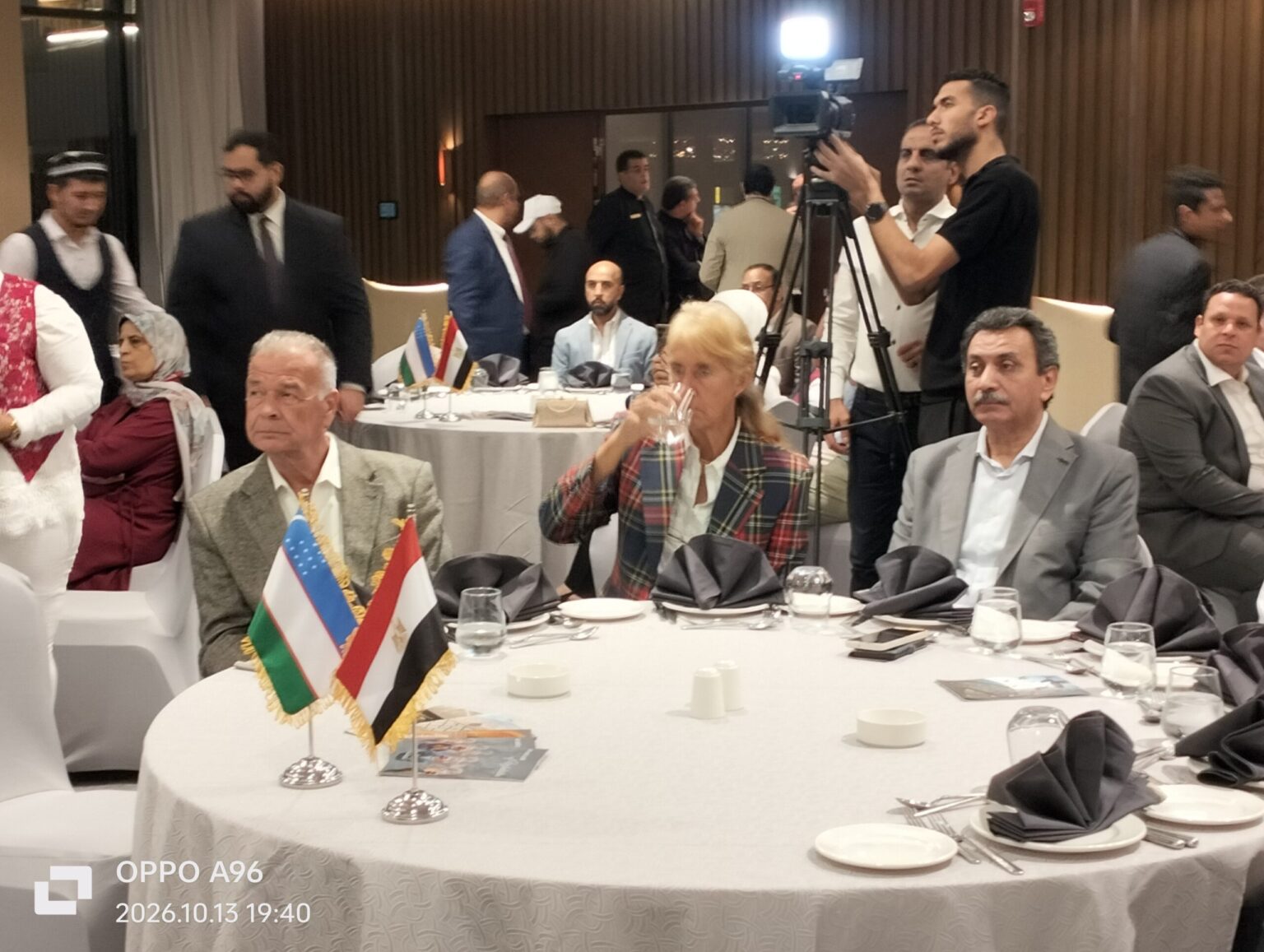
The road ahead is one of discovery: a road where history welcomes the traveler, spirituality enriches the journey, and friendship becomes the destination.