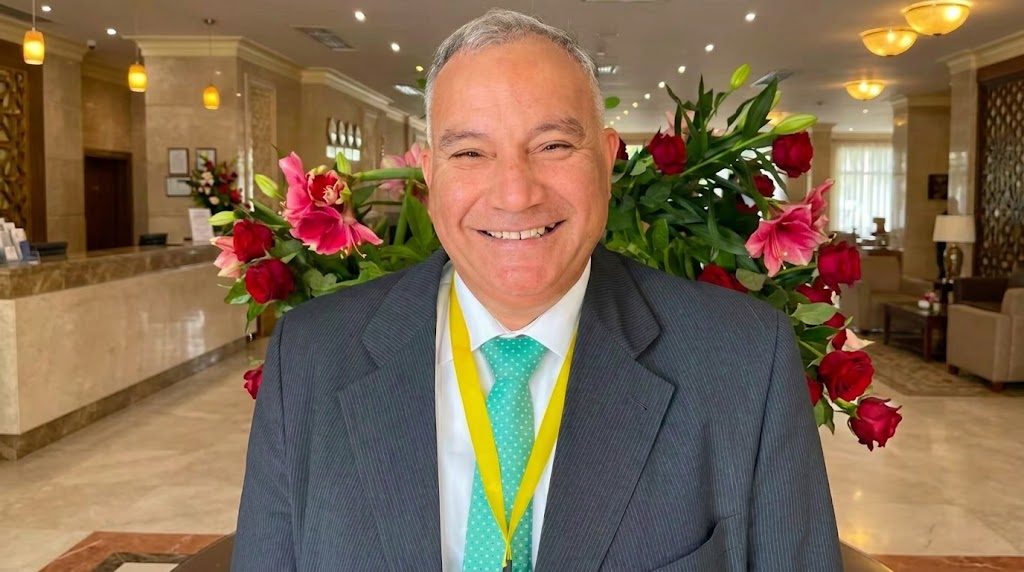
Dr. Hassan Ragab writes
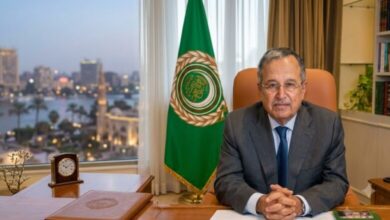
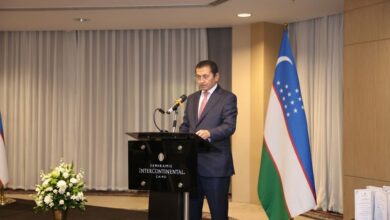
AT a high-level Dialogue on Civilizational Exchange hosted under Chinese sponsorship at a landmark Cairo hotel along the Nile, Dr. Hassan Ragab—Dean of the Faculty of Al-Alsun (Languages) at Suez Canal University and Director of the Confucius Institute—delivered a keynote address detailing the historical trajectory and contemporary prospects of Sino-Arab mutual learning.
Dr. Ragab framed the historical ties between China and the Arab world not as a modern political construct, but as a multi-millennial partnership rooted in human exchange, shared intellectual pursuits, and cultural synergy.
Key Highlights of the Address
1. Beyond Commerce: The Silk Road as an Intellectual Highway
Dr. Ragab highlighted that the Ancient Silk Road was fundamentally a conduit for ideas, philosophies, languages, and scientific discoveries, rather than merely a trade route for physical goods.
-
Mutual Contribution: Neither culture acted as a passive recipient. Both China and the Arab world were historically open centers of translation, scholarship, and civilizational innovation.
-
Non-Hierarchical Exchange: True learning occurs on an equal footing—recognizing that each civilization possesses distinct wisdom to offer and absorb.
2. Institutional Milestones & The Egyptian Gateway
Addressing modern developments, Dr. Ragab pointed to the mid-20th century shift toward institutional and diplomatic alignment:
-
1956 Diplomatic Ties: Egypt’s formal recognition of the People’s Republic of China in 1956 established a crucial bridge linking China with the broader Arab region and Africa.
-
Beyond Politics and Economics: While economic agreements create structure, relationships only achieve long-term resilience when rooted in public consciousness and cultural exchange.
3. Translation and Modern Knowledge Networks
Translation was described as a profound act of cross-cultural mediation rather than a literal word-for-word process.
-
Translators as Bridge-Builders: Translators transfer entire worldview structures, historical memories, and social frameworks.
-
Comprehensive Ecosystem: Dr. Ragab advocated moving beyond isolated text translations to building an integrated ecosystem of Sino-Arab studies, academic exchanges, joint research centers, and digital repositories.
4. Human Intelligence in the Age of AI
Acknowledging the rise of artificial intelligence and digital transformation:
-
Digital platforms, machine translation, and open databases democratize access to cultural knowledge.
-
However, technology alone lacks the nuanced capacity to decode deep cultural contexts, symbols, and human meanings. The future must blend technological power with human wisdom.
5. Cultural Heritage & Joint Knowledge Creation
-
Shared Cultural Custodianship: Both Egypt and China boast ancient architectural, literary, and artistic heritage. Protecting, digitizing, and studying this heritage is a collective obligation to human history.
-
Co-Creating Knowledge: The next phase of Sino-Arab relations must transition from studying one another from the outside to co-authoring solutions on shared global challenges, including sustainable development, heritage preservation, digital transformation, and international order.
Conclusion & Vision
In anticipation of the 70th anniversary of diplomatic relations between Egypt and China, Dr. Hassan Ragab concluded with a call to action: build a “New Silk Road of Knowledge.” By centering cross-cultural interaction around human respect, collaborative scholarship, and shared heritage, the Chinese and Arab civilizations can move beyond recalling a glorious past to co-writing a vibrant chapter in modern international relations.