Capital University: Where Humanity Meets the Future — Social Work Charts a New Course in the Fifth Industrial Revolution

Ashraf AboArafe
500 Participants, 105 Research Papers and Strategic Recommendations Call for Digital Innovation, Professional Regulation, and a New Era of Sustainable Social Development
CAPITAL University has concluded the 35th International Scientific Conference of the College of Social Work, held under the theme “The Future of the Social Work Profession in Light of the Requirements of the Fifth Industrial Revolution: A New Approach to Sustainability.” The conference brought together a distinguished gathering of academics, researchers, practitioners, and students to explore the future of social work amid accelerating technological transformations, and to examine how emerging technologies can advance professional practice while safeguarding its humanistic and ethical foundations.
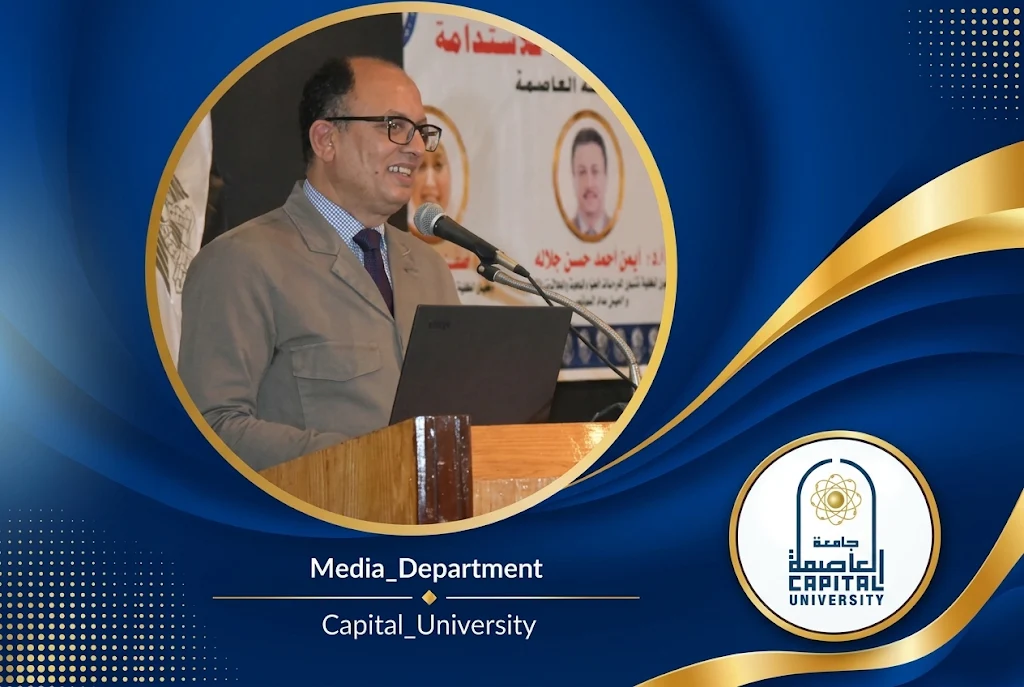
The conference was held under the patronage of Prof. Dr. Sayed Qandil, President of Capital University; Prof. Dr. Walid Al-Sarouji, Vice President for Community Service and Environmental Development; and the Acting Vice President for Graduate Studies and Research. It was chaired by Prof. Dr. Zaghloul Abbas Hassanein, Dean of the College of Social Work, and supervised by Prof. Dr. Ayman Ahmed Hassan Jalala, Associate Dean for Graduate Studies, Research, and Cultural Relations and Conference Secretary-General, and Prof. Dr. Safaa Khudair Khudair, Associate Dean for Community Service and Environmental Development and Conference Rapporteur.
More than 500 academics, specialists, and practitioners participated in the conference, alongside the Chair, Secretary, and members of the Social Work Sector Committee of the Supreme Council of Universities, the President of the Social Workers’ Union, and leaders of social work colleges and institutes from Egypt, several Arab countries, and the United States.
Across its sessions, the conference examined 105 research papers and working papers, in addition to panel discussions addressing the present and future challenges facing the profession. Particular attention was given to integrating artificial intelligence and modern technologies into social practice to improve the effectiveness of professional interventions and promote sustainable development.
A central message emerged from the discussions: technological progress must strengthen the human dimension of social work, not replace it. The profession’s future depends on striking a balance between digital innovation, professional responsibility, ethical standards, and respect for human dignity.
Strategic Recommendations: From Academic Dialogue to National Action
The conference concluded with a series of strategic recommendations designed to advance social work and prepare the profession for the demands of the Fifth Industrial Revolution.
Among the foremost proposals was the launch of the national initiative “The Innovative Social Worker in the Age of the Fifth Industrial Revolution,” aimed at preparing and training professionals capable of using modern technologies to drive positive social change.
Participants also recommended establishing a scientific observatory for the future of the social work profession, tasked with monitoring technological developments, anticipating emerging professional needs, and supporting evidence-based planning. Other proposals included introducing an annual Digital Social Innovation Award and establishing technology incubators within colleges of social work to encourage innovative projects and research initiatives by students and academics.
On the legislative and regulatory front, the conference called for the enactment of a law governing the practice of social work in Egypt, providing a comprehensive framework for regulating the profession, defining its standards, and safeguarding professional practice.
It further recommended developing a modern professional code of ethics and guidelines for digital practice, with particular emphasis on protecting personal data, preserving confidentiality, and establishing clear ethical standards for the use of artificial intelligence in social work.
Another significant recommendation concerned the use of artificial intelligence to support the early detection of victims of cybercrime and threats associated with the dark web, as well as predicting family-related risks, including violence, divorce, and neglect. Such applications could strengthen preventive interventions and enable social institutions to address emerging problems before they escalate.
Education and Training for a Profession in Digital Transformation
Recognizing that the future of the profession depends on the capabilities of its practitioners, the conference emphasized the need to modernize academic education and professional training.
Recommendations included incorporating specialized courses in artificial intelligence, data analysis, and digital professional practice into undergraduate and postgraduate curricula, alongside establishing laboratories, centers, and clubs dedicated to digital social innovation within universities.
The conference also called for restructuring field training programs to bridge the digital divide and equip students with the technological knowledge, practical expertise, and professional competencies required by an evolving labor market.
Investing in the social worker is, ultimately, an investment in society itself. Preparing a new generation of professionals who can combine technological proficiency with empathy, critical thinking, and ethical responsibility is essential to ensuring that innovation translates into tangible improvements in people’s lives.
2027 Conference: From Social Initiatives to Sustainable Development
At the conclusion of the proceedings, the Recommendations Drafting Committee announced the proposed theme of the College’s 36th International Scientific Conference in 2027:
“Social Work and Social Protection Programs — From Initiatives to Sustainable Development.”
The proposed theme reflects the College’s continuing commitment to expanding scientific research and academic dialogue on pressing social and professional priorities, while strengthening the connection between social initiatives, institutional action, and long-term development.
The successful organization of the 35th conference underscores Capital University’s commitment to advancing scientific research, developing academic disciplines, and reinforcing the university’s role in addressing society’s evolving challenges. It also highlights the importance of connecting academic knowledge with practical application and preparing professional cadres capable of responding to global transformations through innovative and sustainable solutions.
Ultimately, the conference delivered a message that extends beyond technology and academic development: the future of social work cannot be measured merely by its ability to adopt artificial intelligence or master digital tools, but by its capacity to harness these advances in the service of humanity.
For amid the sweeping changes of the Fifth Industrial Revolution, the human being must remain both the starting point and the ultimate purpose of innovation. Technology may provide the tools, but compassion, dignity, and social responsibility must continue to define the profession.
The future of social work, therefore, is not simply about building a smarter profession — it is about building a more humane, inclusive, and sustainable society.