ECONOMYSLIDE

In the City of Light: AlBaraka Symposium Charts a New Horizon for Islamic Philanthropic Economics

Listen to this article

Ashraf AboArafe

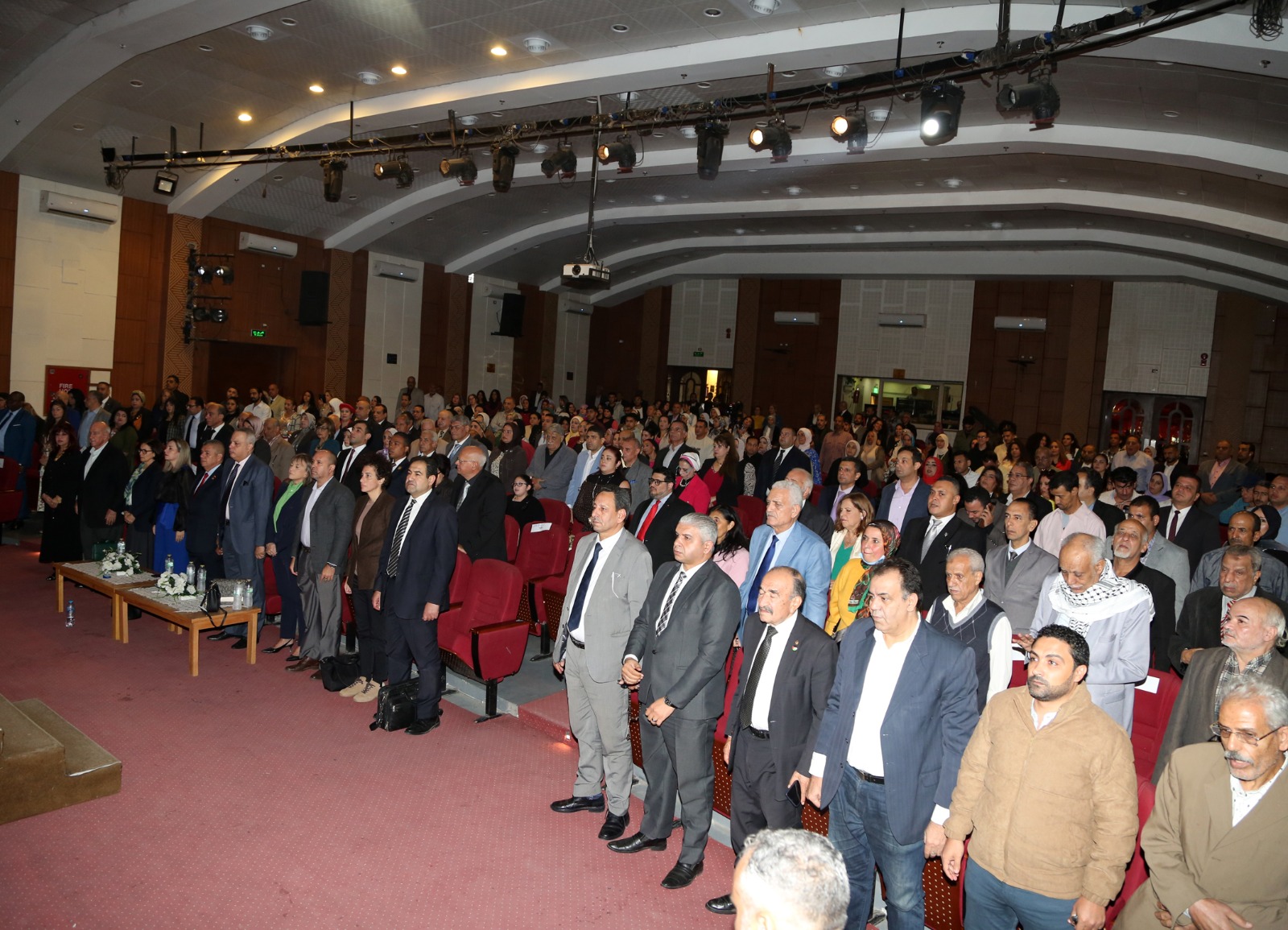
Madinah – The 46th edition of the AlBaraka Symposium on Islamic Economics is set to commence on Monday under the theme: “The Sector of Birr and Ihsan in Islamic Economics: Toward a New Future.”

Organized by the AlBaraka Forum for Islamic Economy, the symposium will be held from February 9–11 at Prince Muqrin bin Abdulaziz University – Female Campus – in Madinah. The gathering brings together an elite assembly of officials, financial thought leaders, scholars, policymakers, and representatives of financial and development institutions from 18 countries, in one of the region’s largest intellectual and economic forums.

The symposium is hosted by Prince Muqrin bin Abdulaziz University as the official host partner, in collaboration with Al Baraka Group as global partner, alongside a media partnership with Iqraa Platform—reflecting a dynamic integration between academic, intellectual, and media institutions in advancing Islamic economic discourse worldwide.

For more than four decades, the AlBaraka Symposium has stood as one of the most prominent global platforms dedicated to Islamic economics. It has played a vital role in shaping both its intellectual foundations and practical applications, fostering constructive dialogue among scholars, experts, and decision-makers on contemporary economic challenges—through a framework that harmonizes ethical values with economic efficiency.

Philanthropy as an Economic Pillar

This year’s edition features six main sessions and over 20 scientific and applied themes, highlighting the central role of the Birr and Ihsan sector—philanthropy and benevolence—as an active economic force contributing to development, social stability, and economic justice.

The discussions emphasize foundational instruments such as zakat, waqf, sadaqah, qard hasan, and volunteerism—tools deeply rooted in Islamic tradition yet increasingly relevant to modern development models.

Abdullah Saleh Kamel, Chairman of the Board of Trustees of the AlBaraka Forum, affirmed that the symposium embodies a visionary intellectual legacy established by the late Sheikh Saleh Abdullah Kamel, pioneer of Islamic economics and founder of the Forum. He described Islamic economics as a civilizational project grounded in values, measured by impact, and ultimately devoted to human well-being and sustainable development.

He noted that the 46th session marks a pivotal moment by positioning the philanthropy sector not as a complementary activity, but as an intrinsic economic and developmental pillar capable of addressing contemporary economic and social challenges. He also stressed the importance of investing in innovation and youth as cornerstones of the future of Islamic economics.

For his part, Yusuf Hassan Khalawi, Secretary-General of the AlBaraka Forum, highlighted the Forum’s global intellectual role in bridging scholarly foundations with practical implementation. He described this year’s theme as a strategic re-reading of the philanthropy sector as a genuine economic component within the Islamic economic system, capable of driving sustainable development, maximizing social impact, and empowering the non-profit sector to play a meaningful role in national economies.

Innovation, Youth, and Sustainable Impact

The symposium will explore mechanisms for developing philanthropic tools and linking them with financial innovation, while strengthening the role of Islamic banks and financial institutions in deploying these instruments within Shariah-compliant economic models that reinforce sustainability and integration between financial and non-profit sectors.

Special attention will be given to youth empowerment, social entrepreneurship, and the role of modern technologies and innovative financing in expanding the impact of charitable and developmental initiatives—transforming social efforts into sustainable economic ventures.

The program includes two specialized keynote lectures and four applied workshops aimed at building institutional capacity, connecting theory with practice, and enhancing professional competencies in Islamic finance and economics.

In support of academic research and youth development, the symposium will also host an interactive session titled “Bridges Between Research and Practice,” under the patronage of the Saleh Kamel Award for Islamic Economics. The session seeks to connect academic research with practical implementation, enabling young scholars to present their work before distinguished academics and experts, receive scholarly feedback, and enhance the applied impact of their research.

Additionally, the AlBaraka Forum sponsors the third edition (2026) of the Young Researchers Hosting Grant—one of the symposium’s accompanying programs—designed to empower emerging researchers to participate in its activities, engage in scholarly dialogue, and build professional networks that will shape the next generation of Islamic economic thought.

A Renewed Vision from Madinah

From the luminous city of Madinah, the 46th AlBaraka Symposium reaffirms its pioneering role in redefining the future of Islamic economics—cementing philanthropy as one of its foundational pillars, investing in human capital, empowering youth, and fostering innovation to achieve sustainable economic and social impact.

aldiplomasy

Transparency, my 🌉 to all..

Related Articles

Back to top button