 Editor -in-chief writes
WHEN two of the oldest cradle civilizations in human history resonate across continents, time itself seems to stand still to watch the river flow. Seven decades of quiet diplomatic devotion between Egypt and China were no mere geographic coincidence, but a continuous forge like gold tested under the eye of history. In this comprehensive documentary feature presented by Xinhua, the story unfolds not along dry geopolitical boundaries, but breathes alive through North Africa’s great lifeline: the mighty Nile River; as Xinhua journeys northward with the current, illustrating the philosophy of partnership that bridges the Nile and the Yellow River to trace the contours of a “New Life” blooming wherever it touches.
Chapter I: Nubian Heat and the Warmth of Brotherhood
Xinhua opens this chronicle in Egypt’s far south, where a tranquil Nubian village rests under the searing desert sun. There, where granite crags meet vibrant blue waters, locals face harsh climate shifts with authentic endurance and unyielding grace. Yet this intense heat is no longer merely a daily trial of hardship; through partnership between the two civilizations, it has transformed into a living bridge for connection and progress.
Xinhua observes how traditional survival wisdom honed over millennia marries the modern ecological insights of sustainable Chinese technology. Through green energy projects and climate-adapted solutions, the scorching desert becomes a fountain of growth, turning harsh sunlight into energy that powers homes and revives fields. It is a living proof that true development springs from brotherhood, and that technology, when blended with human values, transforms from cold machinery into a catalyst bringing hope to daily lives.
Chapter II: Whispering Stones and Echoes of a Shared Past
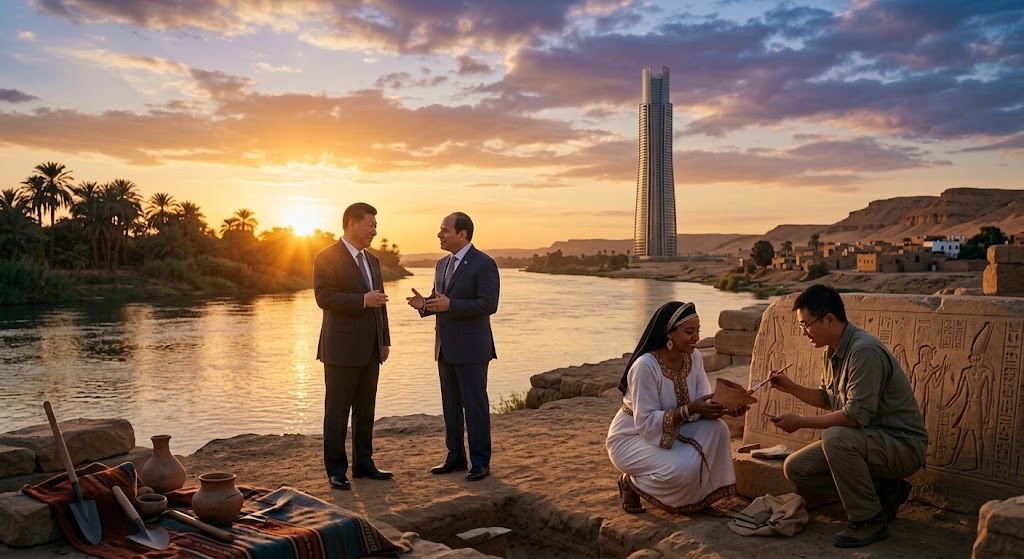
As the Nile flows steadily northward, Xinhua pauses among ancient inscriptions at the Temple of Montu in Armant. Under the Luxor sun that witnessed the dawn of the Pharaohs, Egyptian archaeologists stand shoulder-to-shoulder with their Chinese peers to brush away the dust of forgotten centuries.
This joint archaeological excavation is far more than an academic endeavor to collect pottery fragments or complete surface restorations; it is a profound symbolic meeting between two ancient giants. As Egyptian and Chinese hands join to restore stone and reconstruct monuments, they do not merely unearth forgotten history—they revitalize the collective memory of humankind. Xinhua highlights that the hands touching yesterday’s stones best understand history’s value; nations that wrote the opening chapters of human civilization are uniquely equipped to grasp its meaning and turn heritage into a foundation for tomorrow.
Chapter III: Skyward in the Desert—A Monument of Steel and Glass
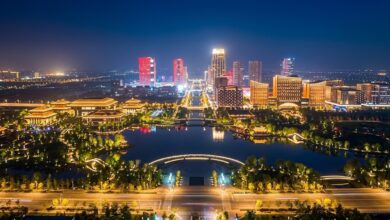
In a dramatic transition from ancient ruins to future horizons, Xinhua leads us into the Egyptian desert at the New Administrative Capital, where the Iconic Tower stands—the tallest building in Africa.
Rising boldly toward the sky, this structure stands as a monument of steel and glass celebrating the success of the Belt and Road Initiative—a testament to how political vision translates into cloud-touching reality. Xinhua paints a visual portrait of modern architecture uniting with desert expanse, where Chinese engineering expertise meets Egyptian resolve and craftsmanship. Together, they create not just an architectural marvel, but a visual symbol of two nations determined to build new legacies that challenge time itself.
Chapter IV: The Philosophy of Partnership and the Dawn of the Global South
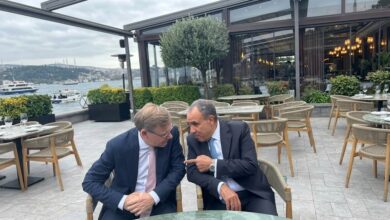
Concluding this journey from memory to present, Xinhua joins former Egyptian Prime Minister Dr. Essam Sharaf to reflect on the philosophical principles guiding this partnership.
Dr. Sharaf emphasizes that this relationship was not built on fleeting interests or narrow gains, but founded on mutual respect, cultural equality, and historic fidelity. It is a partnership that rejects hegemony in favor of shared creation, offering the Global South an inspiring model showing that progress does not require surrendering identity—that nations can sink deep roots into history while stretching their branches with confidence toward the future.