 Osama Sharshar ✍️
The Arab Summit held in Baghdad on Saturday was, by many measures, a profound disappointment—yet another missed opportunity in a region desperate for unified action and decisive leadership amid rapidly shifting geopolitical dynamics.
Hopes were modest this time. No one expected a sweeping transformation of the regional order. The Arab public, from the Atlantic Ocean to the Gulf, merely expected the bare minimum: a firm, unified decision to deliver urgent food aid to the besieged people of Gaza. But even that proved too ambitious.
What the summit produced, instead, was a familiar outcome—rhetorical statements, cautious recommendations, and the notable absence of several key Arab heads of state. At a time when Gaza is enduring a humanitarian catastrophe, many were expecting more than carefully worded communiqués. There was hope for concrete action—perhaps even a bold stand, such as suspending diplomatic ties with Israel or freezing Arab investments in the United States and Israel, should the war continue. None of that materialized.
There had also been prior calls to establish an Arab reconstruction fund for Gaza—a vision that Iraq commendably embraced during the summit, pledging \$20 million to launch the initiative. While Iraq’s gesture was commendable, it did little to quiet a skeptical Arab public, particularly in light of the staggering figure of \$3.6 trillion in financial flows from Arab nations to the United States during the Trump era. This stark contrast remains an open wound in the Arab psyche.
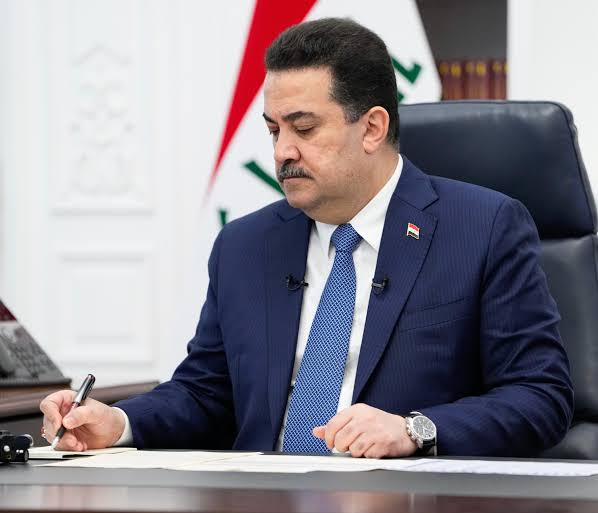
Still, there were glimmers of seriousness. Iraqi Prime Minister Mohammed Shia’ Al-Sudani delivered one of the summit’s few substantive addresses, putting forth a series of pragmatic proposals that, if implemented, could serve as a turning point in Arab cooperation. Among them: the **“Arab Solidarity Fund for the Reconstruction of Gaza and Lebanon,”** the creation of a joint Arab security coordination body to combat terrorism, drug trafficking, and transnational organized crime, as well as a regional initiative to secure food supplies—particularly grain—for Arab nations.
Equally noteworthy was the speech delivered by Egypt’s Minister of Planning and Economic Development, Dr. Rania Al-Mashat, a capable and dynamic voice who emphasized that both the Arab region and the world are facing an era of unprecedented turmoil. She rightly underscored that **joint Arab action remains the most effective path toward regional stability and sustainable development**.
And yet, these earnest voices were largely drowned out by the same old diplomatic choreography—speeches that stir applause but not action, proposals that sound promising but are rarely followed through.
In the end, the Baghdad Summit concluded much like previous ones: with a group photo, a closing statement, and little else to comfort those on the ground in Gaza. The Arab public is left to wonder: **If not now, when?**